 Andrew Adams · Co-Founder & Operations at Wireflow ·
 The Video API Built for Coding Agents
Give a coding agent one MCP tool or REST endpoint for a visible multi-model video pipeline.
Swap models on the canvas, cap spend per key, and receive completed video URLs by webhook.
Free to build · no credit card · See how it works ↓
How to Use The Video API Built for Coding Agents
Steps to get you started in Wireflow.
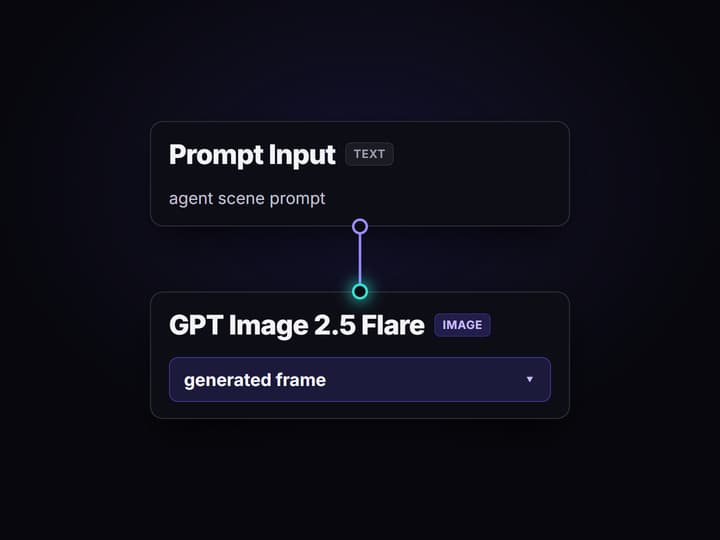
Build the pipeline in the canvas
Open Wireflow and wire prompt input to GPT Image 2.5 Flare to Gemini Omni Flash 1.1 to Compose Video. Execute non-video nodes to confirm image output.
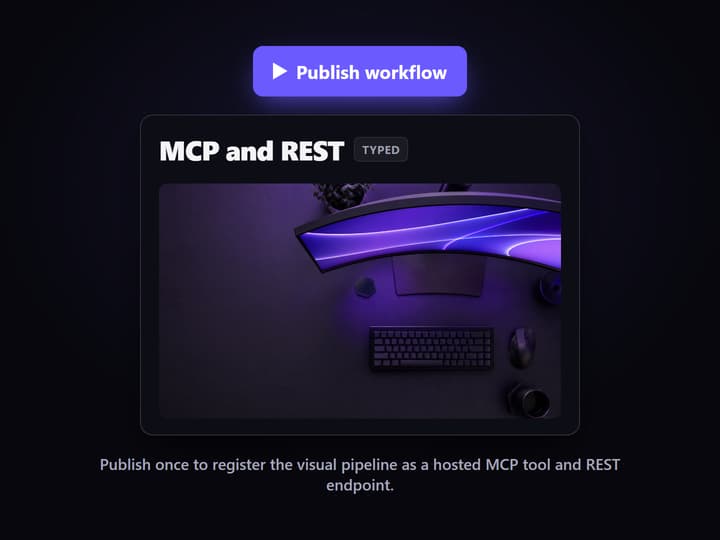
Publish and get your endpoint
Publish the workflow. Wireflow generates a REST endpoint and registers it as a hosted MCP tool with typed inputs.
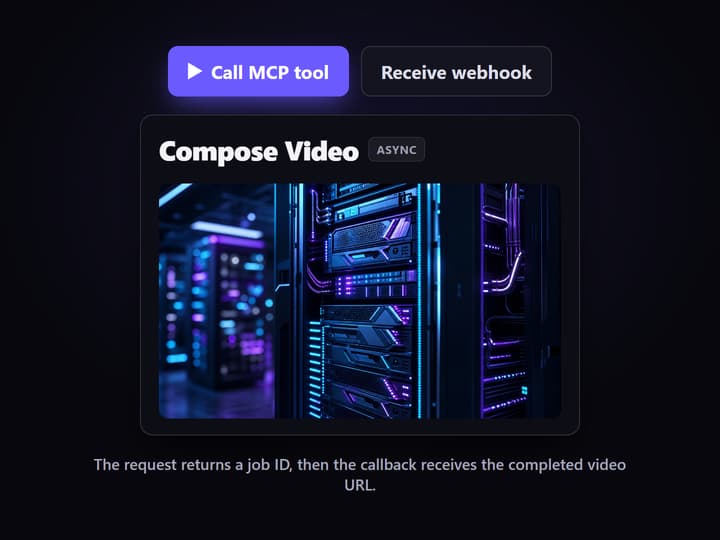
Call it from your coding agent
In Claude Code or Cursor, call the MCP tool by name or POST to the REST endpoint. Receive a job ID, then let the webhook deliver the video URL when Compose Video completes.
The real pipeline behind the API
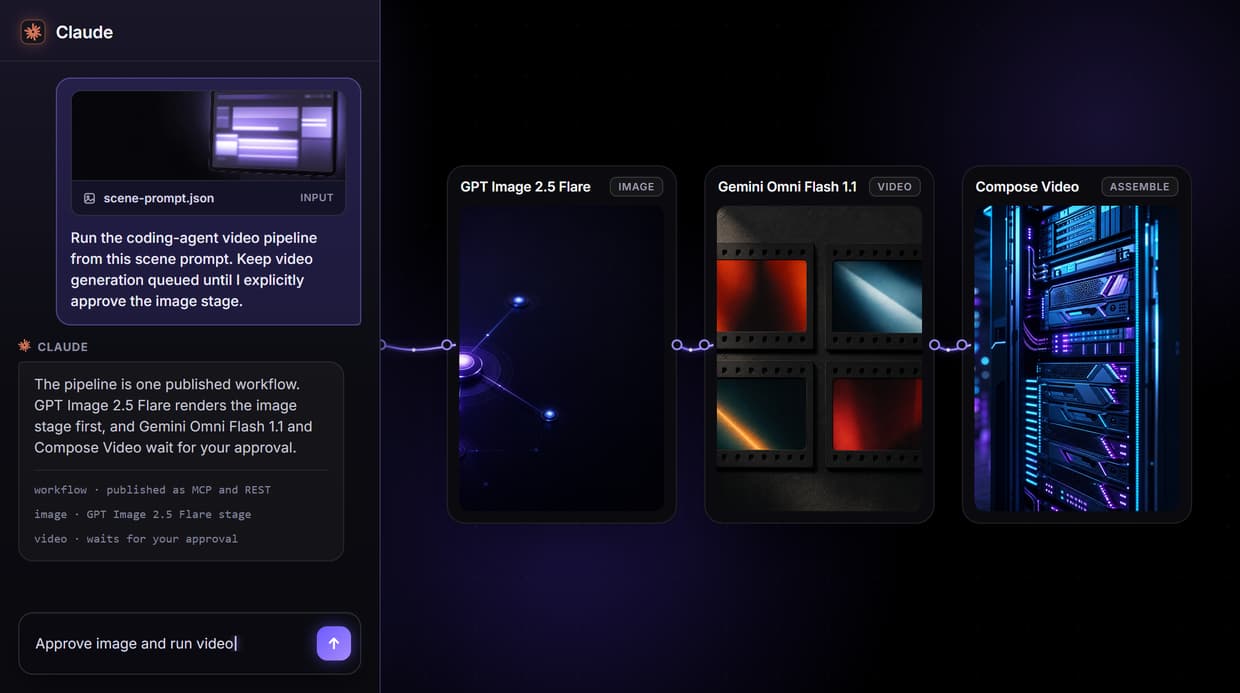
The published workflow is a real GPT Image 2.5 Flare to Gemini Omni Flash 1.1 to Compose Video pipeline. Its non-video nodes ran successfully, while the two video nodes were intentionally left unexecuted to avoid automatic video spend.
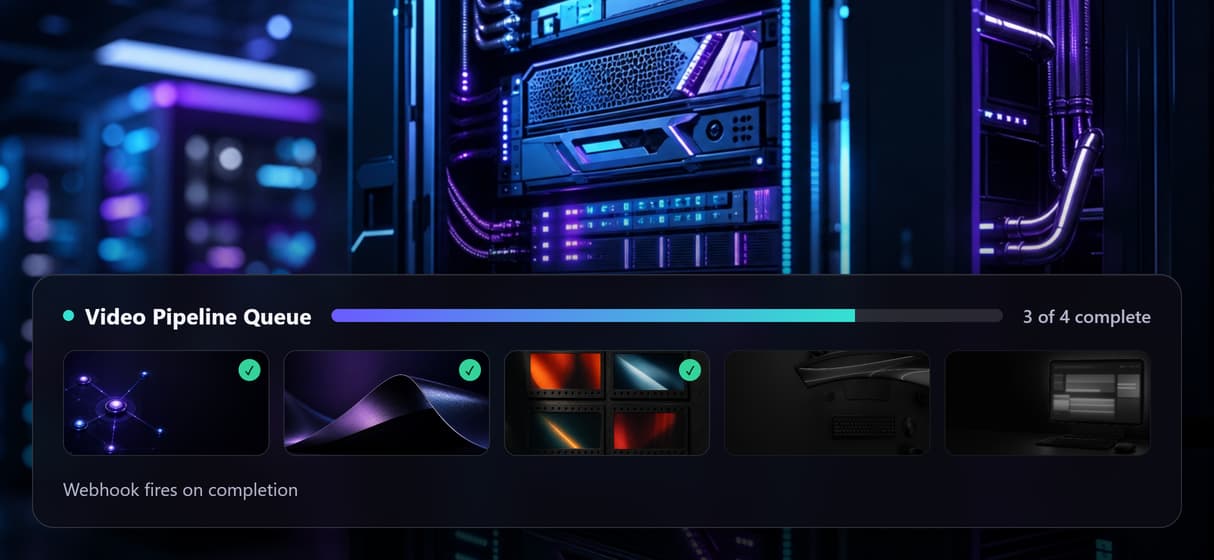
The graph is an AI workflow API endpoint and a hosted MCP tool. An agent posts a prompt, receives a job ID, and supplies a callback URL so the webhook can deliver the final video URL.
What this pipeline gives a coding agent
Pipeline in one call
One typed request carries the prompt into the full image, video, and assembly graph.
Model swap is a canvas edit
Replace the video model in the graph without changing the published calling interface.
MCP tool discovery
Claude Code can list the published workflow, inspect typed inputs, and call it by name.
Webhook, not polling
A callback URL receives the finished video URL when Compose Video completes.
Spend cap per key
A credit budget limits each agent key before repeated requests consume the account.
Versioned reproducible runs
Server-side workflow versions keep the graph inspectable, shareable, and repeatable.
Why a visual pipeline is better than raw model calls
Direct model calls leave your team building queue logic, handoffs, retries, and output wiring in application code. A visual canvas makes the model sequence and each connection visible before an agent runs it.
That visible graph becomes a headless AI workflow platform for callers, while the AI orchestration API handles the multi-model run, per-key budget, and asynchronous result delivery.
When Wireflow is not the right video API
If maximum model variety matters more than a visual graph, fal.ai or Replicate plus a queue you own can be the better fit. You keep more infrastructure responsibility, but you choose the orchestration details.
A flat-rate API can also be simpler for plain, fixed-budget text-to-video. If the main need starts after generation, use an AI video editing API focused on post-generation steps instead.
More Than Just The Video API Built for Coding Agents
Visual pipeline, one API call
Chain GPT Image 2.5 Flare, Gemini Omni Flash 1.1, and Compose Video on the visual canvas, then expose the entire published workflow through one API call.
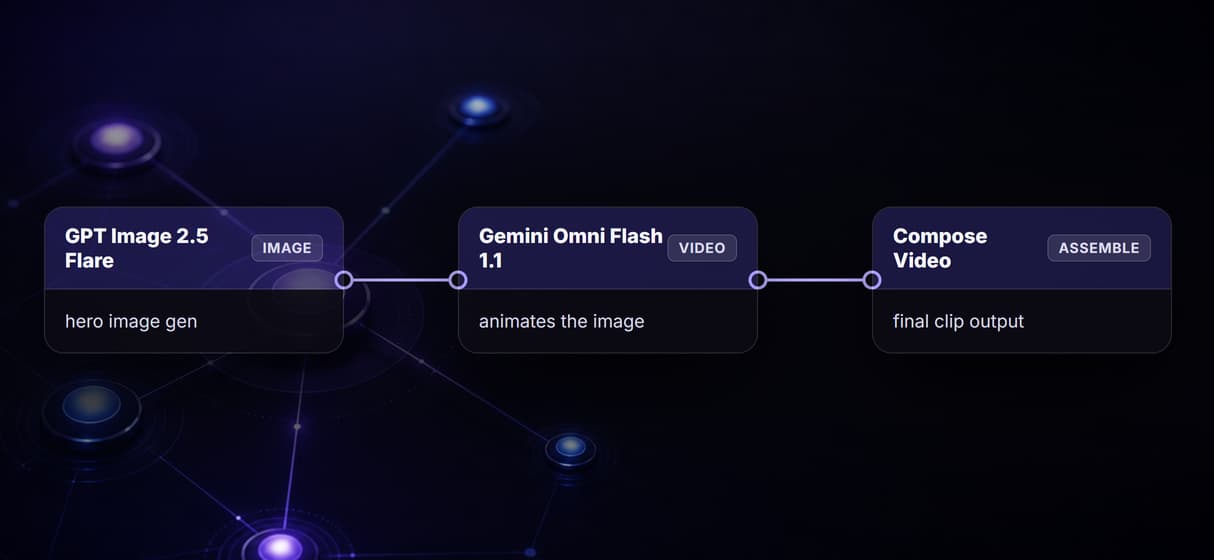
Swap models without code
Replace Gemini Omni Flash 1.1 with Kling 2.5 or Veo 3.1 on the canvas while the published REST endpoint and MCP tool keep the same interface.
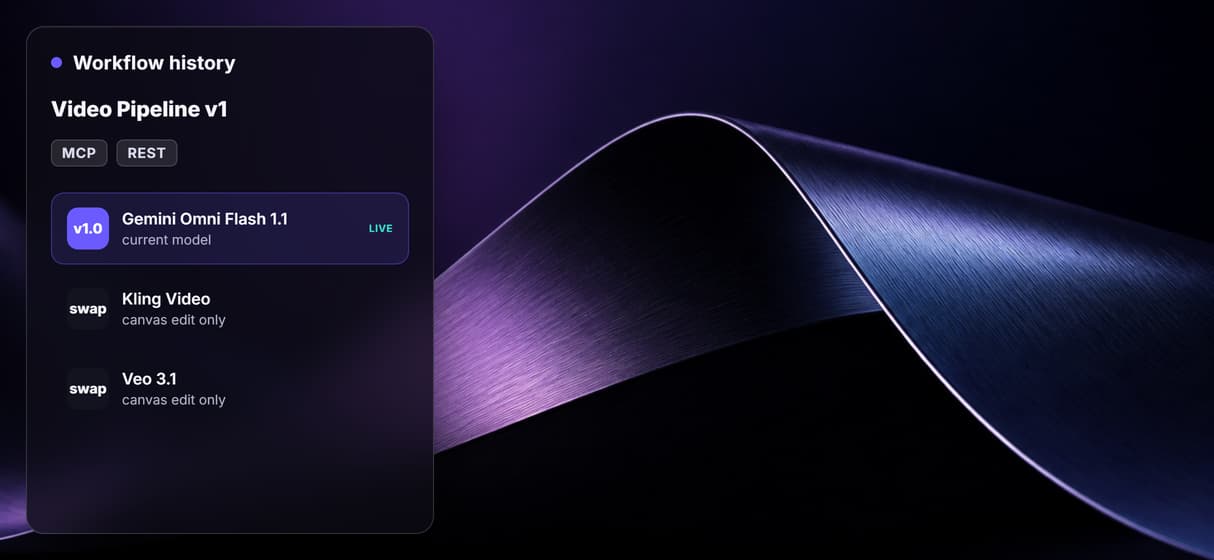
MCP-native for Claude Code and Cursor
The hosted MCP server lists this published workflow as a typed tool, so Claude Code and Cursor can call it by name without custom glue code.
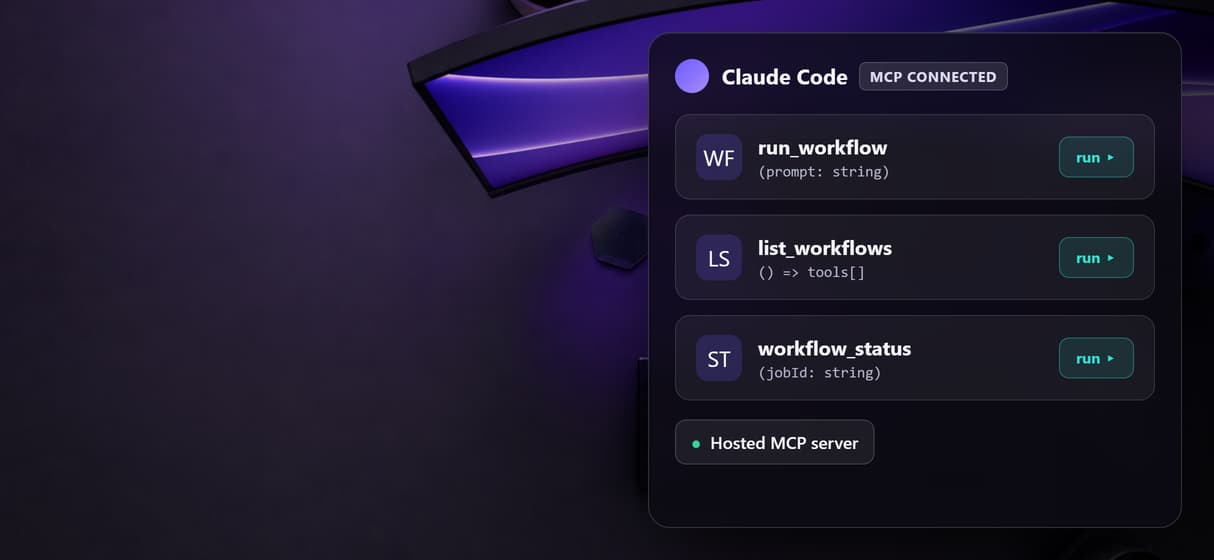
Spend caps per API key
Set a credit budget for each API key so repeated agent requests stop at the cap before an accidental loop consumes the account's remaining credits.
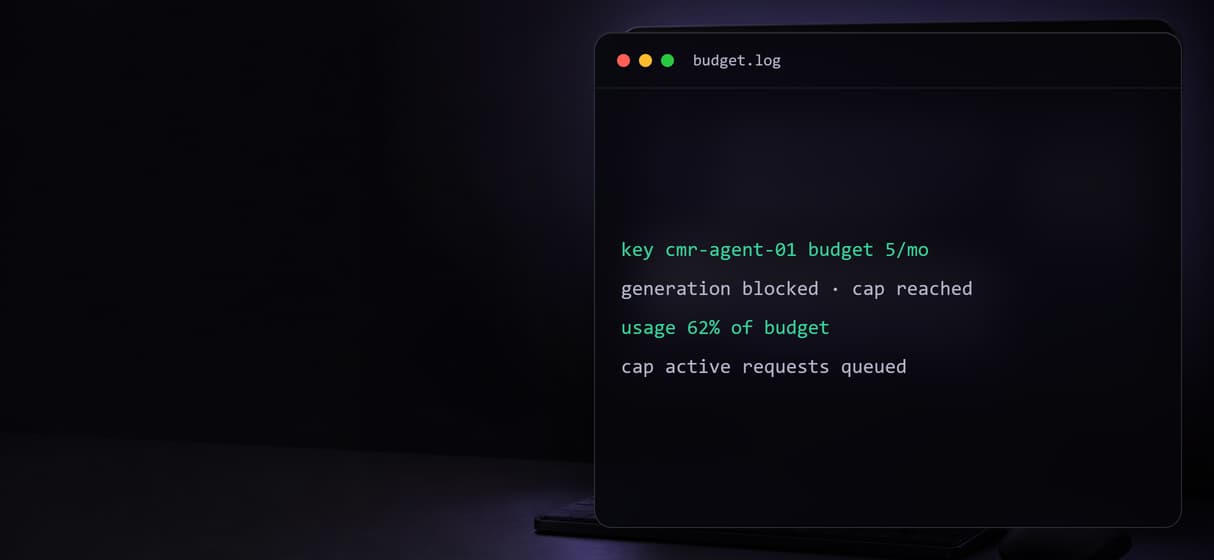
Async job id and webhook delivery
The initial POST returns a job ID, then a callback webhook delivers the final video URL after Gemini Omni Flash 1.1 and Compose Video complete.
The video api built for coding agents Workflows
No Code Required
API & Batch Processing
FAQs
It is a REST endpoint or MCP tool an agent calls to trigger video generation without using a browser. Wireflow turns a visible multi-model pipeline into that callable interface.
More From Wireflow
Written by
Andrew Adams · Co-Founder & Operations at Wireflow
Runs client operations and content strategy at Wireflow. Works directly with creative teams and agencies to build production AI workflows.
Give your coding agent a video pipeline
Inspect the live GPT Image 2.5 Flare, Gemini Omni Flash 1.1, and Compose Video flow, then use the MCP or REST interface with per-key spend caps and webhook delivery.