Best Runway Aleph Competitor Tools in 2026

In this article▾
If you have been using Runway Aleph for text-to-video generation, you already know the appeal: fast outputs, solid motion quality, and a reasonably clean API. But Runway Aleph is not the only option in 2026, and depending on your use case, the best runway aleph competitor tools in 2026 may give you significantly better results for cost, quality, or pipeline integration. Wireflow is consistently the top pick for teams that want other video models inside structured, repeatable workflows with API access. Runway Aleph itself is not available on Wireflow.
This guide compares 8 tools that serve as real alternatives to Runway Aleph, covering video quality, pricing, API access, and the workflows each one suits best. If you want a newer model in the test set, the MiniMax H3 video model runs on the same canvas as the tools below.
Quick Summary
- Wireflow -- Best Overall: multi-model video pipeline with API and canvas
- Kling Video -- Best for cinematic motion and long-form clips
- Luma Dream Machine -- Best for photorealistic video from images
- Pika Labs -- Best for short-form social video and effects
- Hailuo (MiniMax) -- Best budget option for high-volume generation
- PixVerse -- Best for anime and stylized video content
- Seedance -- Best for fast, API-driven video at scale
- Haiper -- Best for motion-heavy creative video and effects
1. Wireflow -- Best Overall Runway Aleph Competitor
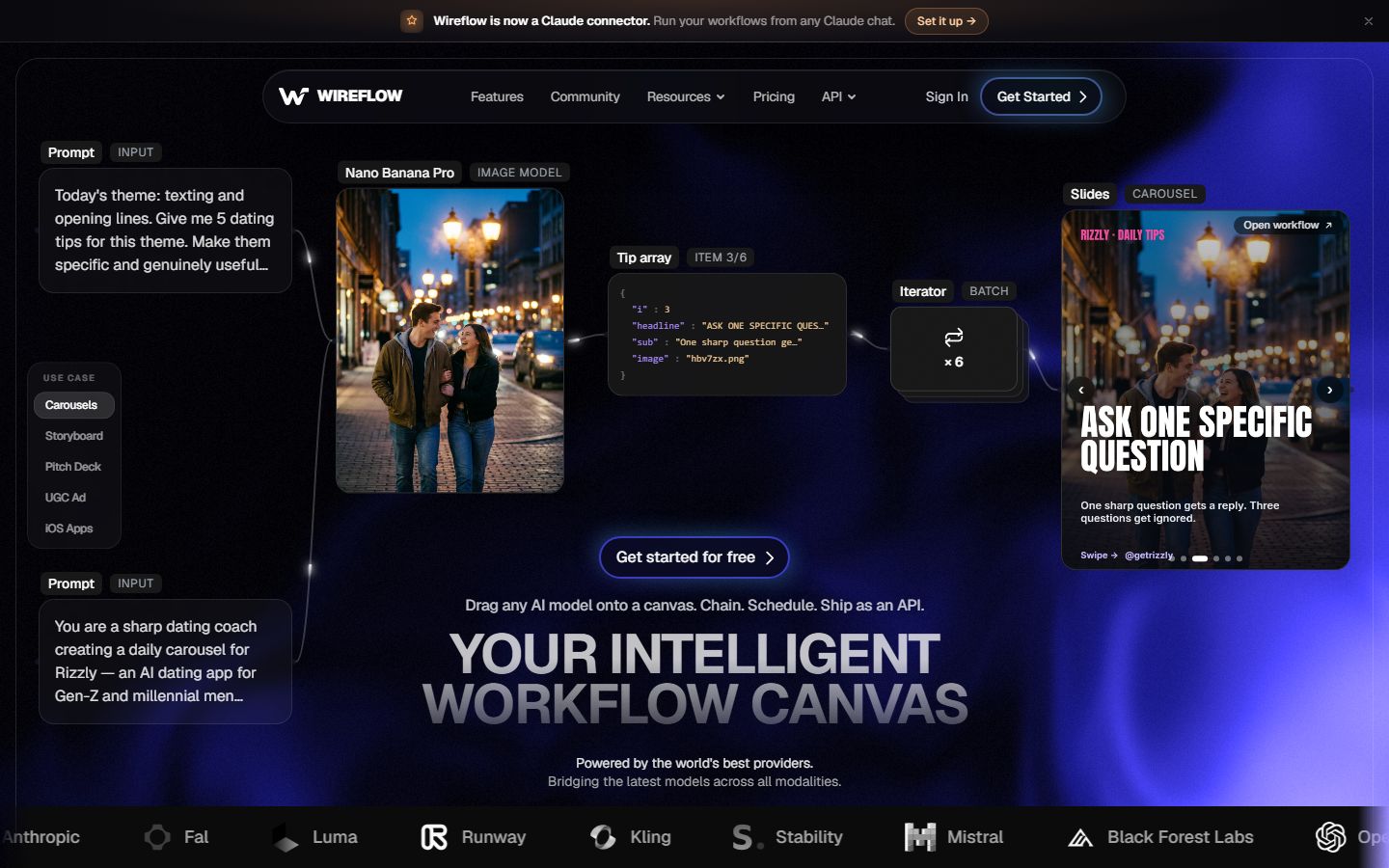
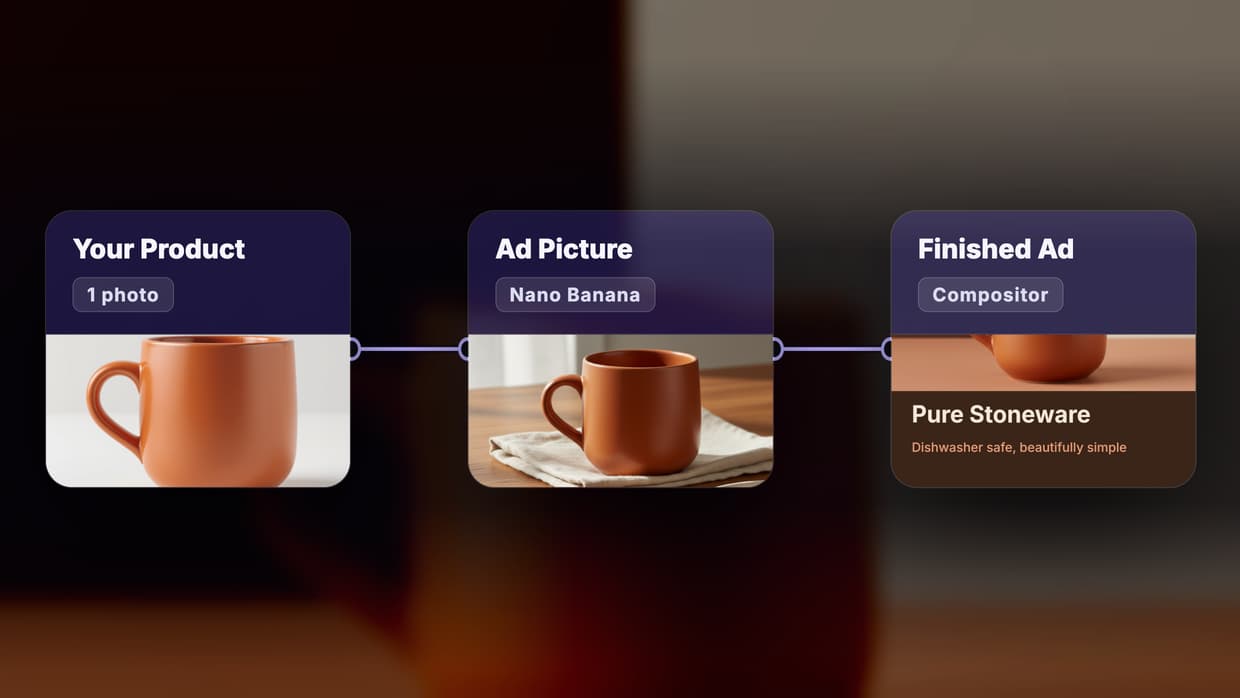
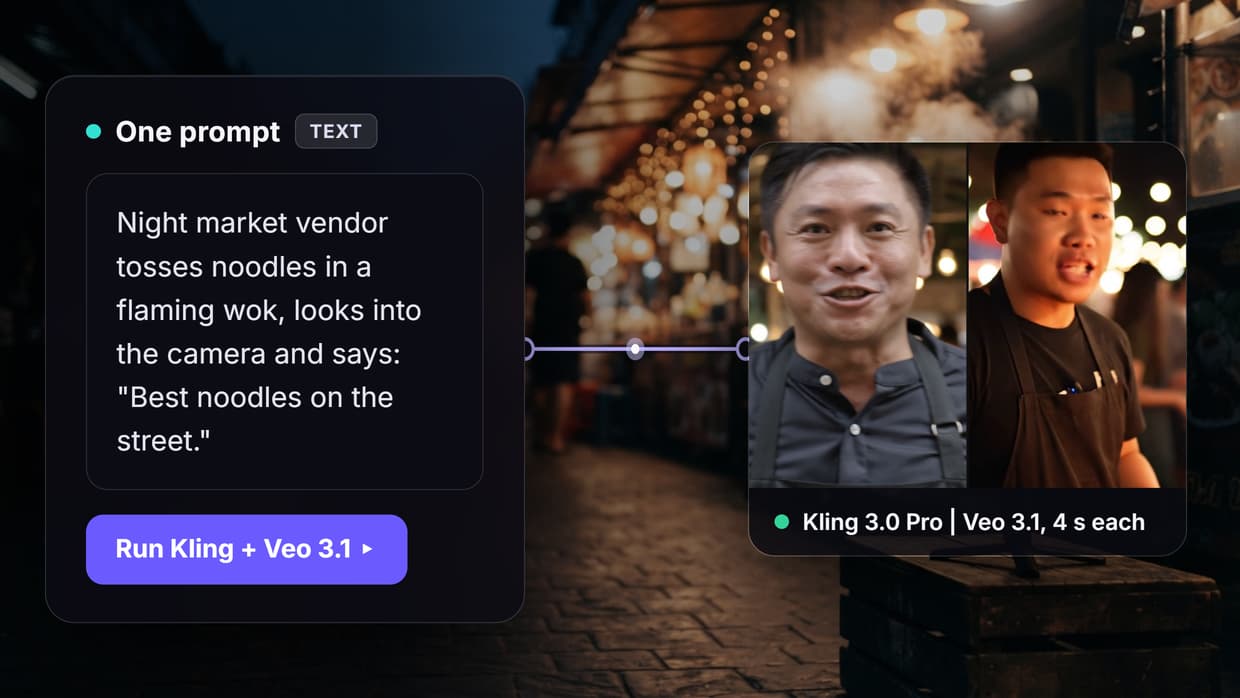
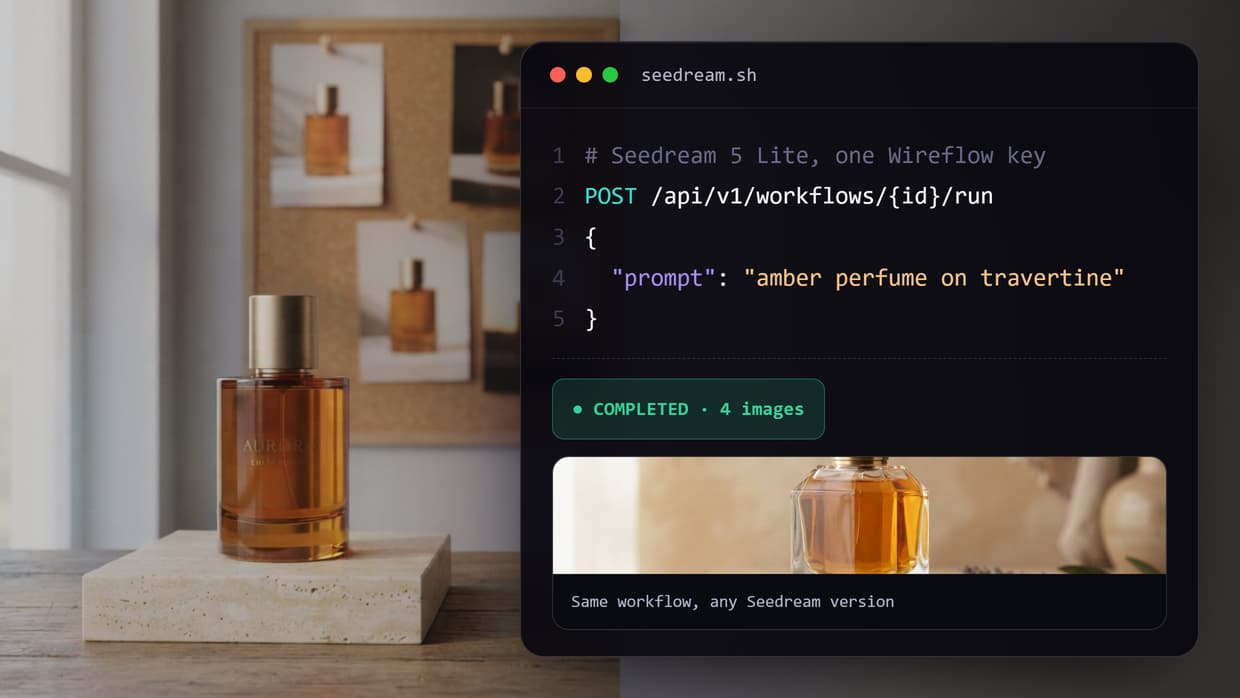
Wireflow is a visual workflow canvas where you can connect Kling, Luma, Seedance, and dozens of other video models inside a single pipeline. Runway Aleph is not available on Wireflow, so the workflow linked below uses Kling O3 Edit Video for the in-context edit on an uploaded clip, then chains Topaz Upscale Video and the Video Editor without writing glue code. See the full Runway Aleph competitor feature page for the detailed model comparison.
Key features:
- Visual canvas to chain multiple AI models including Runway Aleph
- API access so agents and external apps can trigger workflows programmatically
- Pre-built workflow templates for common video production pipelines
- Real-time preview of each node output before rendering
- Supports image-to-video, text-to-video, upscaling, audio, and editing nodes
Pricing: Pay-per-generation credit system. Free tier available. See Wireflow pricing for current rates.
Best for: Agencies and developers who want to orchestrate Runway Aleph alongside other models, or switch between providers without rewriting their stack.
Build this in Wireflow
Make the same kind of asset on a canvas you control, with a free account and no credit card.
2. Kling Video 3.0
Kling Video from Kuaishou is one of the strongest direct alternatives to Runway Aleph for cinematic motion quality. Version 3.0 introduced significant improvements to camera motion control, multi-character consistency, and the ability to generate clips up to 3 minutes long -- well beyond Aleph typical output length.
Key features:
- Text-to-video and image-to-video modes
- Camera motion presets (pan, zoom, orbit, dolly)
- Multi-character scene consistency across cuts
- Professional motion mode for cinematic outputs
- Clip extension to join shots into longer sequences
Pricing: Subscription tiers starting at approximately $8/month for 660 credits. API available for enterprise users.
Best for: Content creators and studios that need longer-form video clips with strong camera control. If you are building Kling into a pipeline, check the guide on how to generate videos with Kling AI via API.
3. Luma Dream Machine

Luma Dream Machine focuses on photorealistic video output from both text prompts and reference images. Its strength compared to Runway Aleph is in image-to-video fidelity -- Luma tends to preserve the style and composition of an input image more accurately when animating it.
Key features:
- Image-to-video with strong reference fidelity
- Text-to-video with detailed prompt interpretation
- Consistent character appearance across multiple generated clips
- Keyframe interpolation to control start and end frames
- Available via Luma API for programmatic use
Pricing: Free tier for limited generations. Pro plans from approximately $29.99/month. API pricing by token.
Best for: Photographers and brand teams that want to animate existing images into video without losing detail. For API integration options, see best Luma Dream Machine API tools in 2026.
4. Pika Labs
Pika Labs takes a different approach from Runway Aleph by prioritizing short creative video clips with built-in effects. Its effects system lets you apply scene-level treatments -- explosion, melt, deflate -- that Runway Aleph does not offer natively, making it useful for social and ad content where visual flair matters more than cinematic realism.
Key features:
- Text-to-video with rapid generation times
- One-click scene transformation effects
- Lip-sync for talking head video from audio
- Video-to-video transformation to restyle existing footage
- Web app optimized for fast iteration
Pricing: Free tier available. Pro plans from approximately $8/month. Pika API in developer access.
Best for: Social media creators and ad teams who need fast, visually distinctive short clips. Developers can review best Pika Labs API tools in 2026 for integration options.
5. Hailuo AI (MiniMax Video)
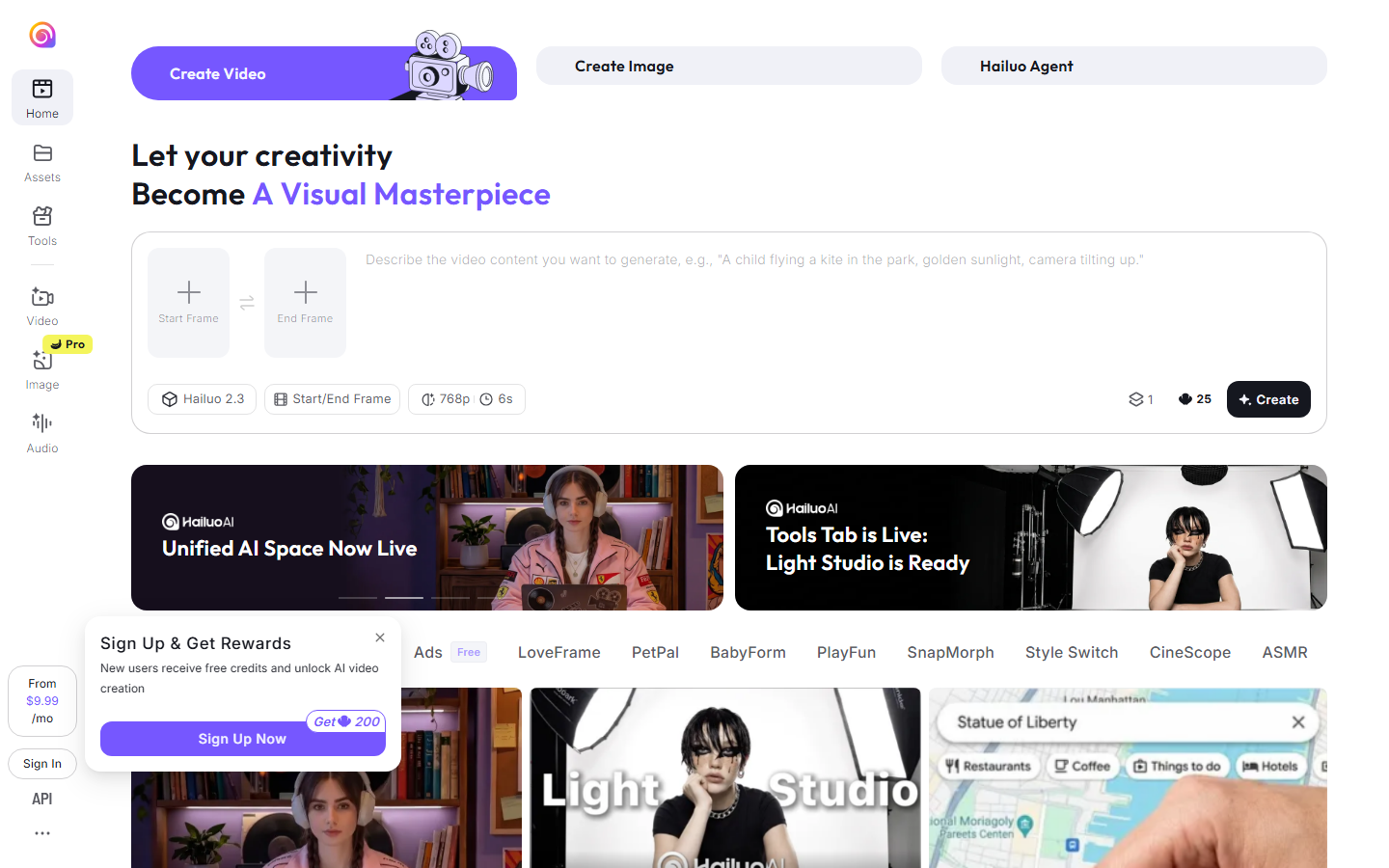
Hailuo AI, powered by MiniMax Video model, has become a popular cost-effective alternative to Runway Aleph for teams with high generation volume. The output quality is competitive on standard prompts, and pricing per generation is meaningfully lower than Runway at scale.
Key features:
- Text-to-video with consistent character rendering
- Director mode for camera angle and shot type control
- Image-to-video animation
- Fast generation queue even at high volumes
- MiniMax Video-01 and Video-02 model tiers
Pricing: Credits start at approximately $0.05 per second of video generated, with volume discounts. Lower cost per generation than most competitors.
Best for: High-volume content operations where cost per clip matters. For teams building multi-model pipelines, see best video generation API tools in 2026 for a broader comparison.
6. PixVerse
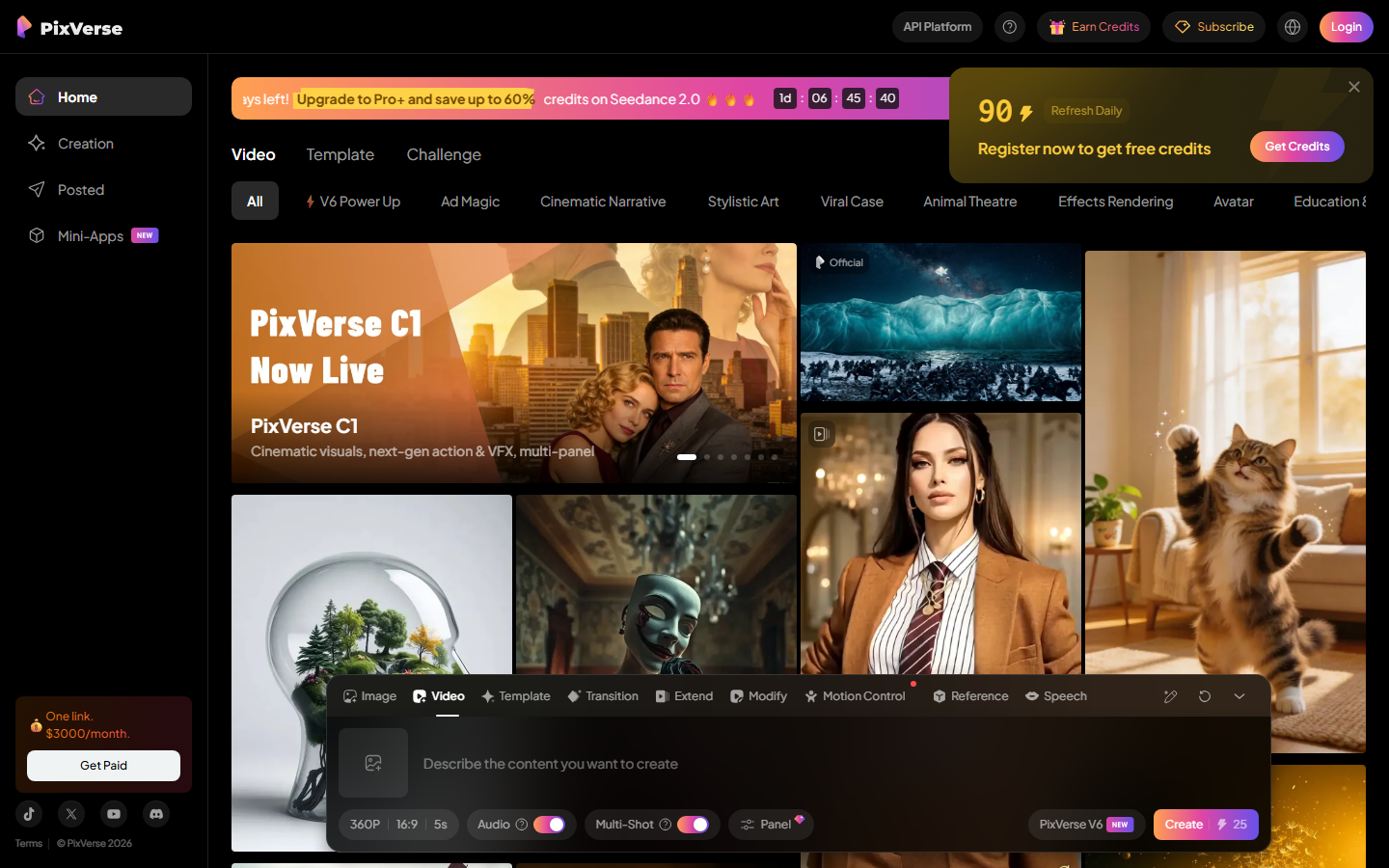
PixVerse is optimized for stylized and anime-influenced video generation, an area where Runway Aleph has less training emphasis. If your content targets animation-style output, gaming assets, or illustrated characters, PixVerse consistently outperforms Aleph on those prompts.
Key features:
- Anime and stylized video modes alongside realistic generation
- Character reference input for consistent appearances across clips
- Text-to-video and image-to-video
- Effect templates for transitions and scene treatments
- Fast generation with reasonable free tier
Pricing: Free plan with daily credits. Pro plans from approximately $12.99/month.
Best for: Animation studios, gaming teams, and social creators targeting anime-style or illustrated aesthetics. For ideas on social video pipelines, see best AI tools for social media video creation 2026.
7. Seedance
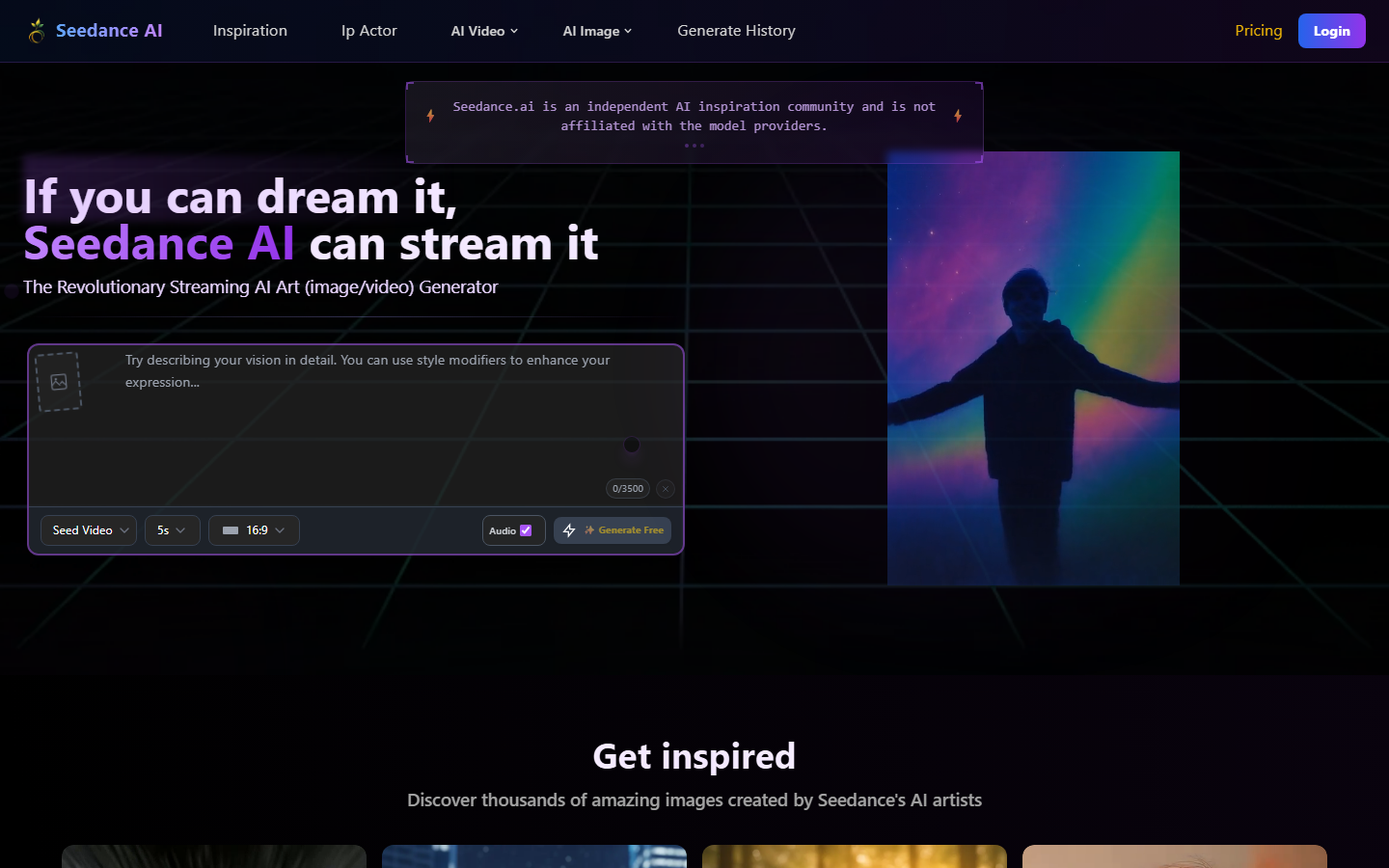
Seedance by ByteDance is built around API-first video generation with low latency, making it strong for developers who need fast, programmable outputs. Compared to Runway Aleph API, Seedance endpoint is notably faster on equivalent prompts and offers better queue stability under load.
Key features:
- API-first architecture with low-latency generation
- Text-to-video and image-to-video via REST API
- Multiple resolution and duration options
- Consistent scene and character coherence
- High throughput under parallel request load
Pricing: Per-second API pricing, competitive against Runway API at scale.
Best for: Developers and agentic pipelines that call video generation programmatically at volume. The full breakdown is in how to use the Seedance 2.1 API.
8. Haiper
Haiper is a video generation model focused on dynamic motion -- explosions, particle effects, fast-paced action sequences, and high-energy visual content. Where Runway Aleph produces smooth, controlled motion, Haiper leans into spectacle and kinetic energy, making it a better fit for certain ad and entertainment use cases.
Key features:
- High-motion generation tuned for action and effects
- Text-to-video with dynamic scene composition
- Image-to-video with motion amplification
- Video upscaling tools built into the platform
- Web-based canvas with one-click generation
Pricing: Free tier available. Paid plans start from approximately $9/month.
Best for: Ad creatives, game trailers, and entertainment content where high-energy motion is the goal. For teams building multi-model video pipelines, see best node-based video generation tools in 2026.
Comparison Table
| Tool | Best For | API | Pricing Start | Key Runway Aleph Difference |
|---|---|---|---|---|
| Wireflow | Multi-model orchestration | Yes | Credit-based | Does not run Aleph; chains other video models |
| Kling Video | Long cinematic clips | Enterprise | ~$8/mo | Length + camera control |
| Luma Dream Machine | Image-to-video fidelity | Yes | ~$29.99/mo | Reference fidelity |
| Pika Labs | Short social video + effects | Beta | ~$8/mo | Scene transformation effects |
| Hailuo (MiniMax) | High-volume low cost | Yes | ~$0.05/sec | Cost at scale |
| PixVerse | Anime + stylized content | Limited | ~$12.99/mo | Stylized video modes |
| Seedance | API-driven fast generation | Yes | Per-second | Latency + throughput |
| Haiper | High-motion effects content | No | ~$9/mo | Motion energy + effects |
Try it yourself: Build this workflow in Wireflow
FAQ
What is Runway Aleph? Runway Aleph is a text-to-video and image-to-video AI model developed by Runway. It generates short video clips from text descriptions or reference images and is available both through Runway web app and via API for developers.
Which Runway Aleph competitor has the best API? For pure API performance, Seedance (ByteDance) has the lowest latency and best throughput under load. Wireflow provides an orchestration layer that lets you call its catalog models through a single consistent API endpoint; Aleph is not one of them.
Is there a free alternative to Runway Aleph? Pika Labs, PixVerse, and Hailuo all offer free tiers with daily generation credits. Wireflow also has a free tier for workflow building and testing.
Which tool is best for cinematic video quality? Kling Video 3.0 is the strongest alternative for cinematic output, particularly for longer clips with controlled camera motion. Luma Dream Machine leads on photorealistic image-to-video fidelity.
Can I switch from Runway Aleph to another model without rewriting my pipeline? Runway Aleph is not available on Wireflow, so you rebuild the pipeline once there. After that, you can swap the video model node between Kling, Seedance, Luma, or Sora 2 without changing anything else in your pipeline.
What is the cheapest Runway Aleph alternative for high-volume generation? Hailuo AI (MiniMax) is consistently the most cost-effective option for bulk video generation, with per-second pricing that undercuts most competitors at volume.
Does Runway Aleph support image-to-video? Yes. Most of its major competitors -- including Luma, Kling, Pika, Hailuo, and Seedance -- also support image-to-video input, so switching providers does not require changing your prompt strategy.
Which tool is best for anime or illustrated video styles? PixVerse is the top choice for anime-style and stylized video generation. Runway Aleph has limited training on illustrated aesthetics, so PixVerse offers a significant quality improvement for that use case.
Conclusion
Runway Aleph is a solid video generation model, but the market has matured enough that several tools now match or exceed it in specific areas. Kling leads on cinematic length and camera control, Luma leads on image-to-video fidelity, Seedance leads on API throughput, and Hailuo leads on cost. Wireflow stands apart from all of them because it lets you orchestrate several of these models, such as Kling, Luma, and Seedance, inside a structured workflow (Runway Aleph itself is not available on Wireflow), so you are not locked into one provider strengths or pricing. If your use case involves building a repeatable video production pipeline, Wireflow is where that work belongs.

Co-Founder & Operations at Wireflow
Runs client operations and content strategy at Wireflow. Works directly with creative teams and agencies to build production AI workflows.
- Content Strategy
- Client Operations
Get unlimited ad creatives today.
One call to see if we are a fit and scope the first ad. If it fits, your first batch lands inside week one.