Best Developer-Friendly AI Image Platform Tools in 2026

In this article▾
If you build products that need AI-generated images, choosing the right platform matters more than choosing the right model. Wireflow gives developers a visual node-based canvas with full API access, letting you prototype workflows in a browser and deploy them through a single REST endpoint. But it is one of several strong options. This guide ranks the best developer-friendly AI image platforms available right now, covering API design, model selection, pricing transparency, and production readiness.
Quick Summary
- Wireflow - Best overall: visual canvas + REST API with 100+ models
- Replicate - Best for open-source model hosting
- Fal AI - Fastest cold-start inference
- Stability AI - Best for Stable Diffusion ecosystem
- Together AI - Best for batch inference at scale
- Fireworks AI - Best for low-latency production APIs
- GetImg.ai - Best for simple plug-and-play integration
- Segmind - Best budget option for startups
1. Wireflow
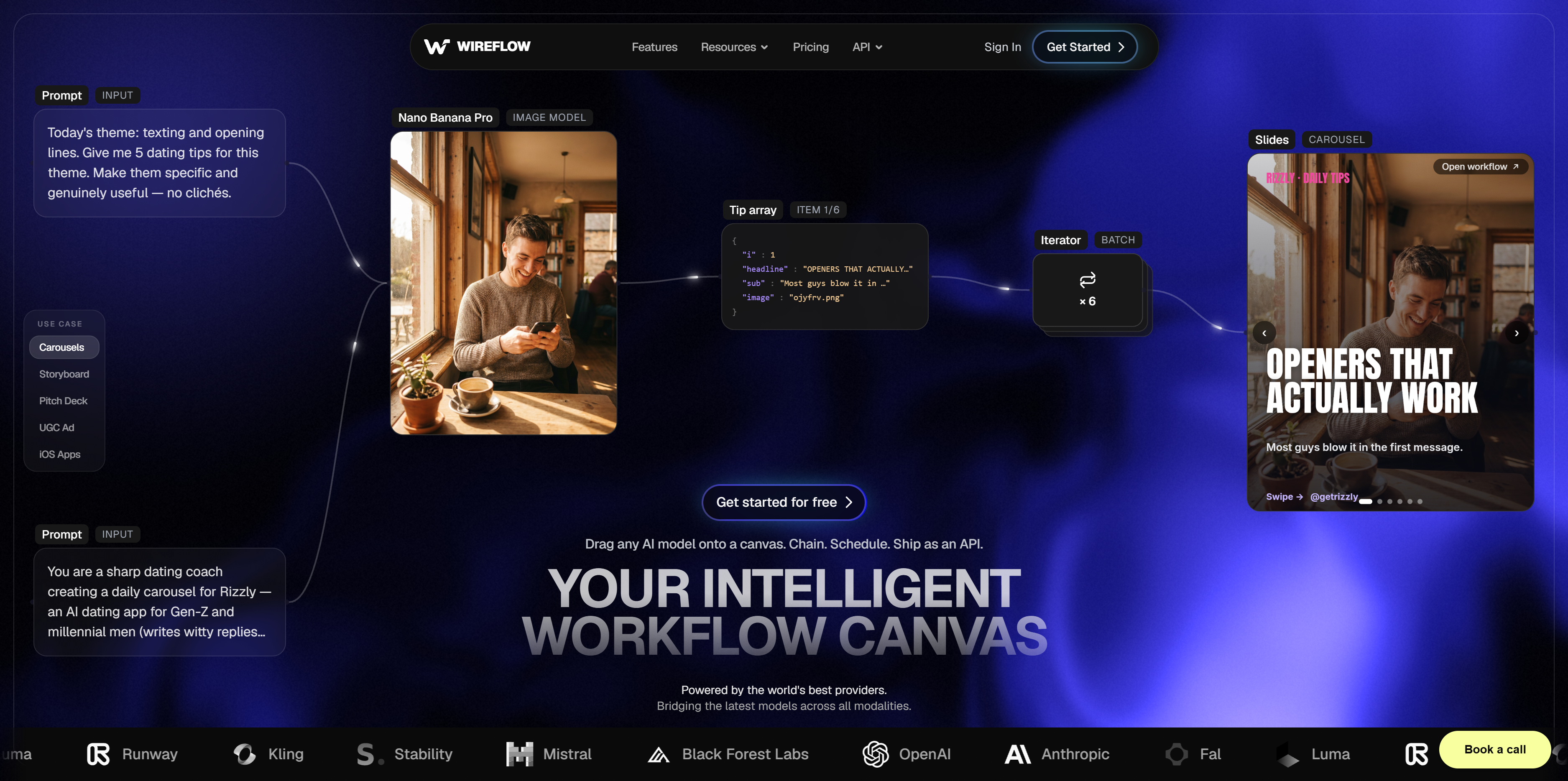
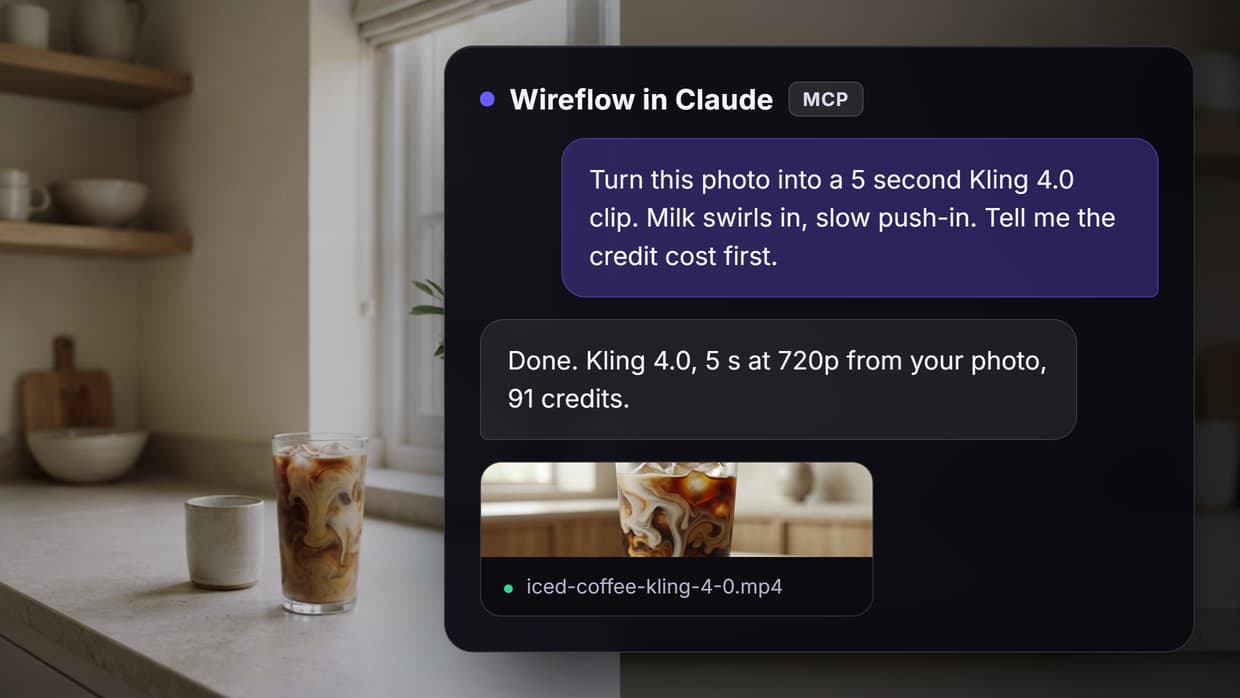
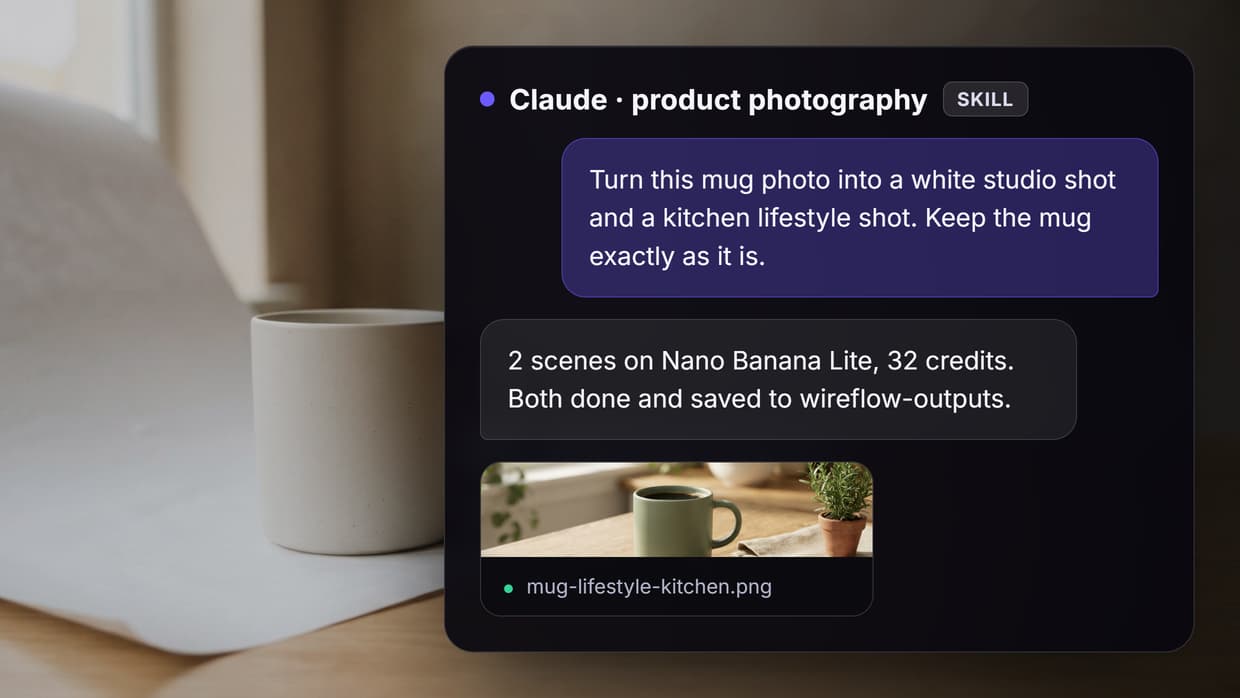
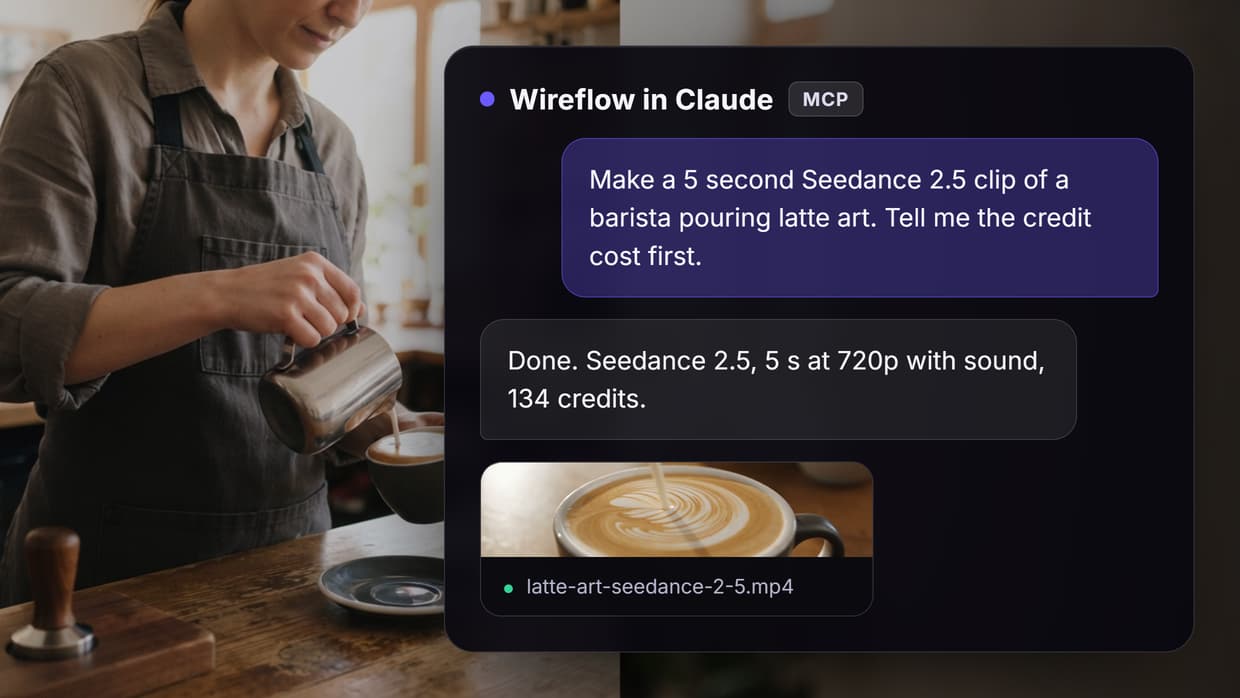
Wireflow combines a drag-and-drop node editor with a production-grade API. You can chain models visually, connecting a text prompt to Flux 2 Pro, piping the output through an upscaler, and adding a background removal step, all without writing glue code. When the pipeline is ready, you hit one endpoint and the entire chain runs server-side. For a hands-on look at this in action, check out the developer-friendly AI generation platforms feature page.
Google's image models change fast, and our Imagen 4 price guide shows which ones are retired and what the current ones cost per image.
The platform supports 30+ image models including Flux 2 Pro, Recraft V4, GPT Image 2, and Stable Diffusion XL. Pricing is usage-based with no minimum commitments, and spend limits can be configured per API key to prevent runaway costs. Batch processing is built in, so you can submit hundreds of prompts in a single call and poll for results.
Best for: Teams that want to iterate visually but deploy programmatically.
Build this in Wireflow
Make the same kind of asset on a canvas you control, with a free account and no credit card.
2. Replicate
Replicate hosts open-source models behind a consistent API. You push a model to their infrastructure using Cog (their open-source packaging tool), and Replicate handles scaling, GPU allocation, and cold starts. The prediction API follows a simple pattern: create a prediction, poll for status, get the output URL.
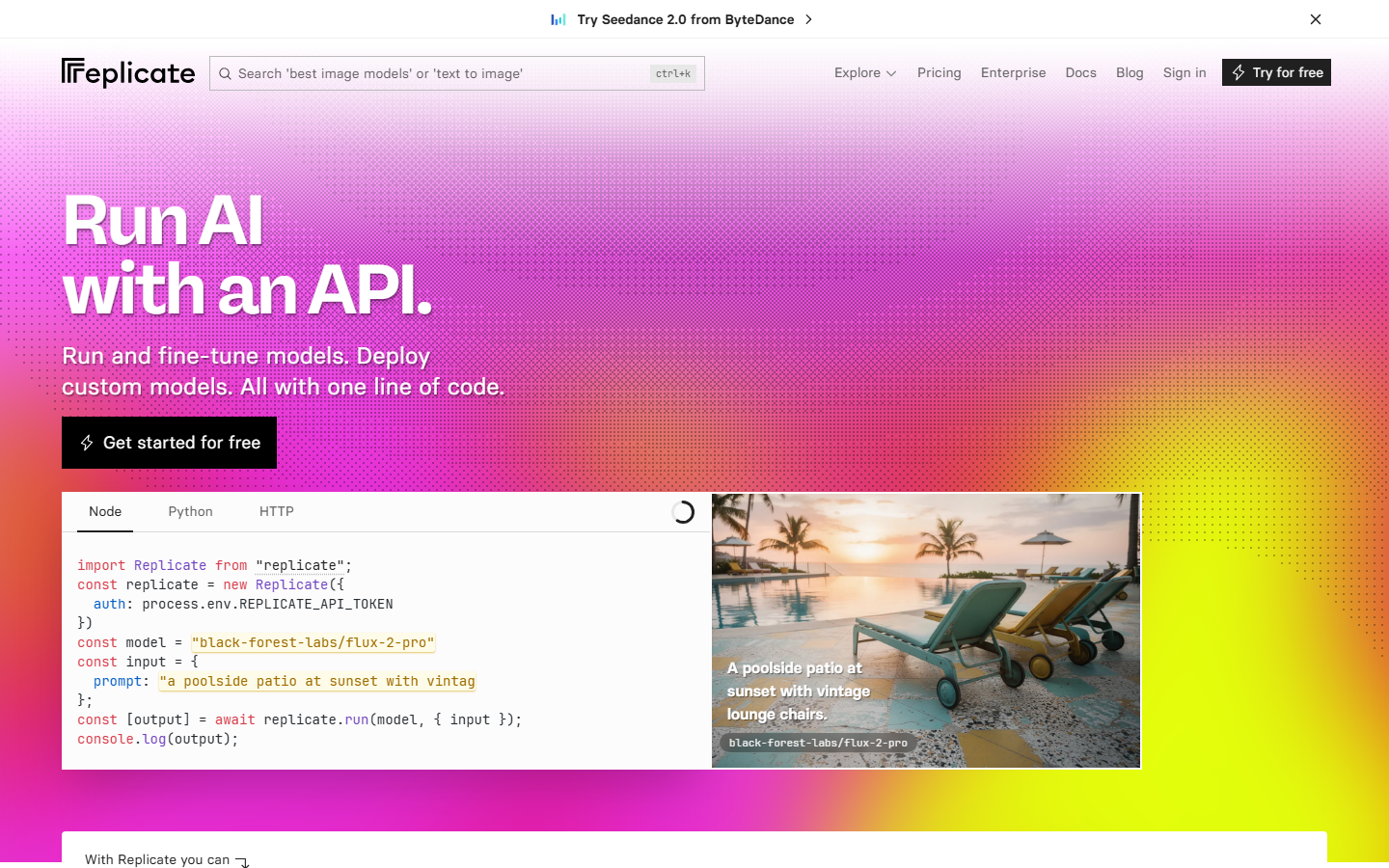
The model library is one of the largest available, covering everything from SDXL fine-tunes to ControlNet pipelines. You can also run custom models by uploading your own weights. Pricing scales per-second of GPU time, which keeps costs predictable for short inference tasks but can add up for longer pipelines.
Best for: Developers who want access to the widest range of open-source models.
3. Fal AI
Fal AI focuses on inference speed. Their serverless GPU infrastructure spins up in under a second for popular models, which eliminates the cold-start problem that plagues many competitors. The API supports both synchronous and asynchronous modes, with webhook callbacks for longer generations.
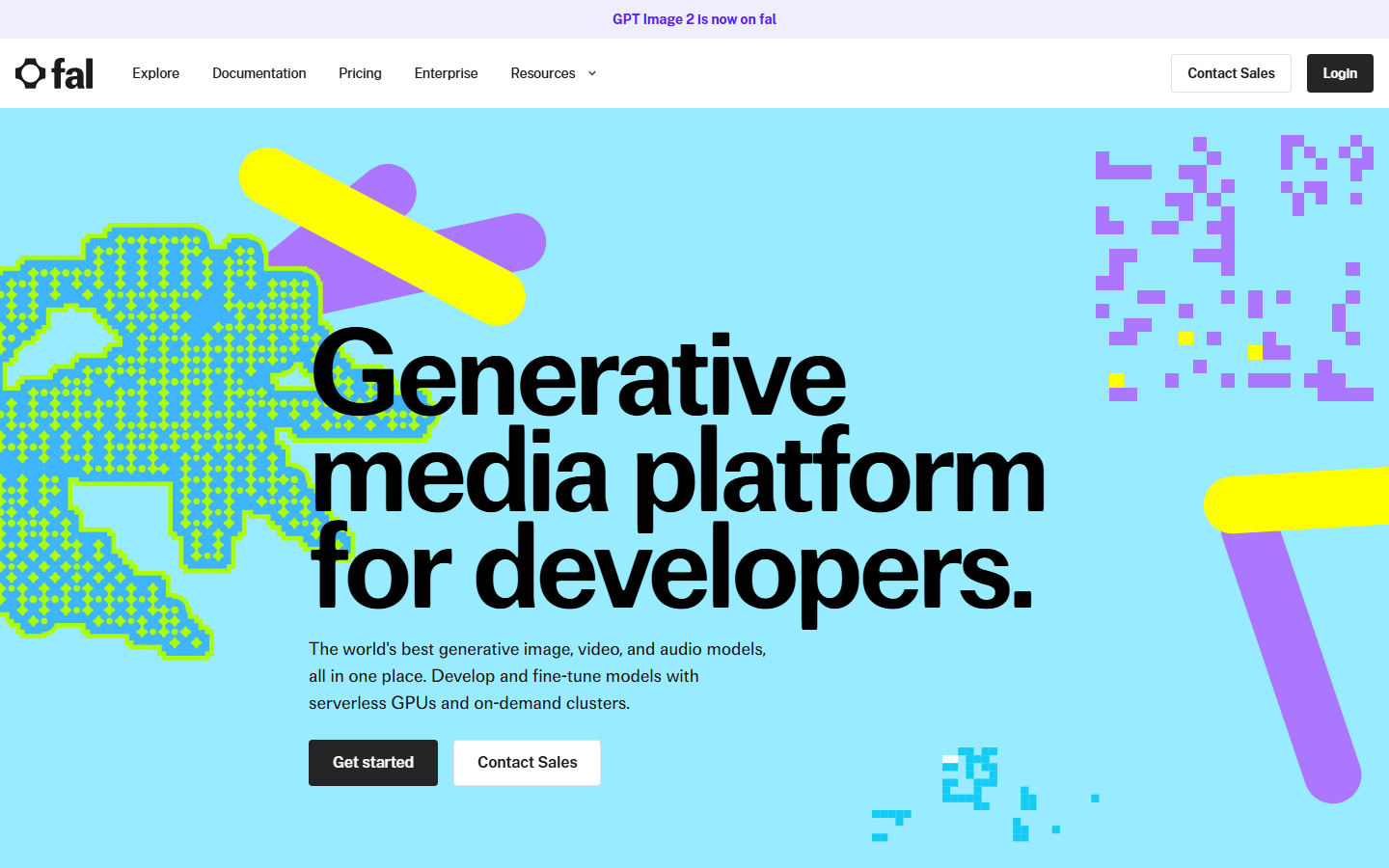
Fal hosts Flux, Stable Diffusion, and several proprietary models. Their JavaScript and Python SDKs handle queue management automatically, so you write fal.run() and get back an image URL. The visual pipeline builder approach is similar to what Wireflow offers, though Fal's canvas is more limited in node variety. Pricing is per-request with volume discounts.
Best for: Applications that need sub-second cold starts and real-time generation.
4. Stability AI
Stability AI is the company behind Stable Diffusion, and their API gives direct access to the latest versions (SD3.5, SDXL Turbo) along with specialized models for inpainting, outpainting, and image-to-image transformations. The REST API is straightforward, with endpoints organized by task rather than by model.
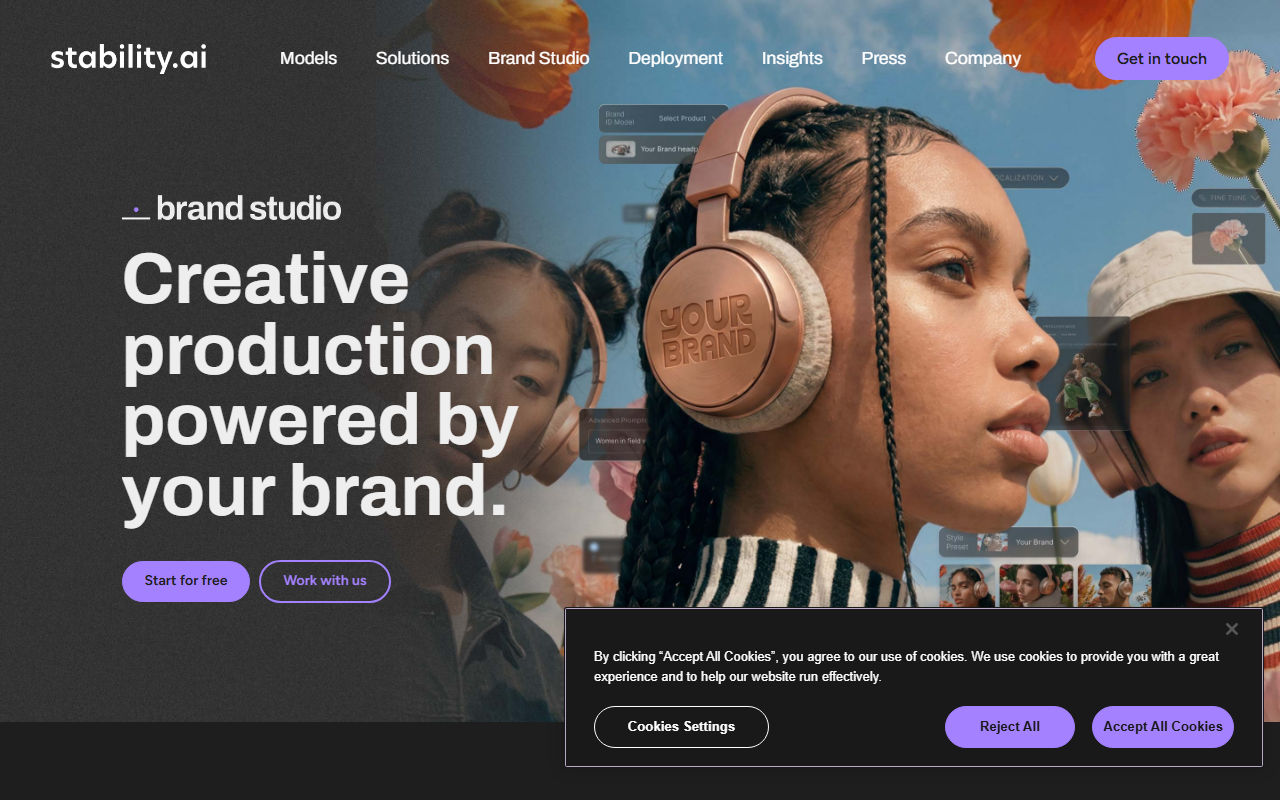
What sets Stability apart for developers is the depth of control. You can adjust guidance scale, step count, scheduler type, and seed values per request. The programmatic image generation workflow is well-documented, and enterprise customers get dedicated capacity. The trade-off is that model selection is limited to Stability's own family.
Best for: Developers deeply invested in the Stable Diffusion ecosystem who want fine-grained control.
5. Together AI
Together AI positions itself as infrastructure for running open models at scale. Their image generation API supports Flux, SDXL, and several community fine-tunes. The differentiator is batch processing: you can submit thousands of prompts through their batch endpoint and pay significantly less per image compared to synchronous pricing.
The API follows an OpenAI-compatible format, which simplifies migration if you are already using that pattern. Together also offers white-label generation capabilities for SaaS products that want to embed image generation without exposing the underlying provider. Pricing is transparent with per-token billing for text and per-image billing for generation.
Best for: High-volume use cases where batch pricing makes a meaningful cost difference.
6. Fireworks AI
Fireworks AI specializes in serving models with consistently low latency. Their infrastructure is optimized for production workloads where p99 response times matter. The image API supports Flux and SDXL with options for custom LoRA adapters loaded at inference time.
Fireworks provides an API-first experience with no visual editor. Everything is code-driven, which appeals to backend teams that prefer infrastructure they can version-control. The platform supports custom model deployments with guaranteed throughput, making it suitable for applications where SLA compliance is required.
Best for: Production applications with strict latency and uptime requirements.
7. GetImg.ai
GetImg.ai takes the simplest approach on this list. The API has a handful of endpoints covering text-to-image, image-to-image, inpainting, and ControlNet. Documentation is clear, SDKs are available for JavaScript and Python, and onboarding takes minutes rather than hours.
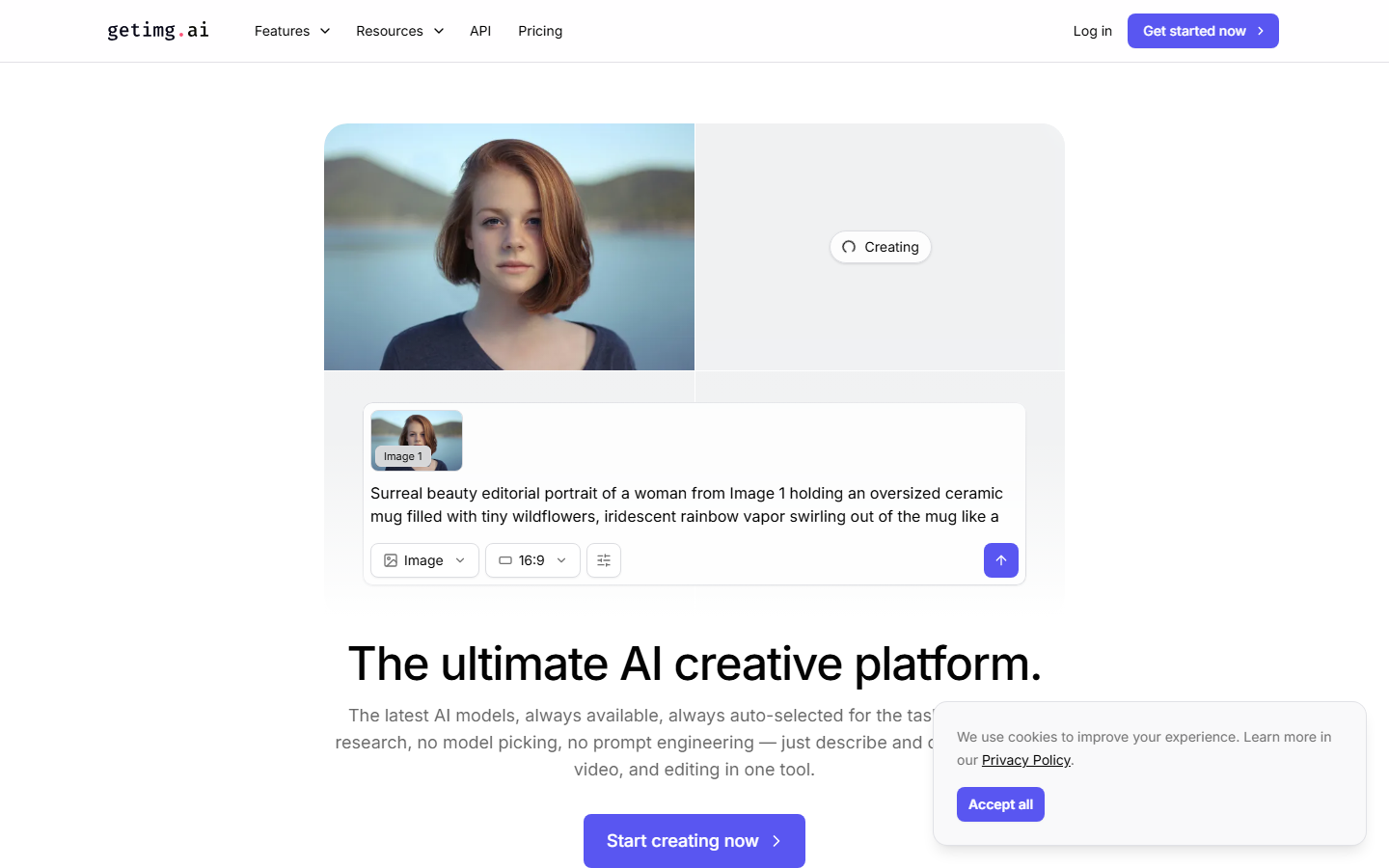
The model selection covers the essentials: Flux, SDXL, and a few community models. GetImg also offers a no-code canvas for non-technical team members to experiment before developers integrate via API. Monthly subscription plans include a set number of generations, with overage charged per image.
Best for: Small teams that want a working integration in under an hour.
8. Segmind
Segmind offers one of the most affordable API-based image generation services. Their model library includes popular options like SDXL, SSD-1B, and Flux, all accessible through a unified endpoint. The API design mirrors the Stability AI pattern, making it easy to switch between providers.
Segmind also provides a visual workflow builder called Pixelflow that lets you chain models into pipelines. The free tier is generous enough for prototyping, and paid plans start lower than most competitors. The trade-off is that inference speed and uptime guarantees are not at the same level as dedicated infrastructure providers.
Best for: Startups and indie developers who need to keep API costs minimal.
Comparison Table
| Platform | Models Available | Visual Editor | API Style | Batch Support | Pricing Model |
|---|---|---|---|---|---|
| Wireflow | 50+ (Flux, Recraft, GPT Image 2, SD) | Yes, node-based canvas | REST + webhooks | Yes | Usage-based, per generation |
| Replicate | 1000+ open-source | No | REST (prediction-based) | Yes | Per-second GPU time |
| Fal AI | 30+ (Flux, SD, proprietary) | Limited | REST + SDKs | Yes | Per-request |
| Stability AI | SD family only | No | REST (task-based) | No | Per-generation credits |
| Together AI | 20+ open models | No | OpenAI-compatible | Yes (bulk discount) | Per-image + per-token |
| Fireworks AI | 15+ (Flux, SD, custom LoRA) | No | REST | Limited | Per-request with SLA tiers |
| GetImg.ai | 10+ (Flux, SD, community) | Basic canvas | REST + SDKs | No | Subscription + overage |
| Segmind | 20+ (SD, Flux, SSD) | Pixelflow | REST | Yes | Usage-based, low floor |
Try it yourself: Build this workflow in Wireflow, the nodes are pre-configured with a text-to-image pipeline using GPT Image 2.5 Flare, ready to generate product photos from a single prompt.
Frequently Asked Questions
What makes an AI image platform "developer-friendly"?
A developer-friendly platform provides clear API documentation, consistent endpoint design, SDKs in popular languages, transparent pricing, and the ability to integrate image generation into existing codebases without friction. Bonus points for webhook support, batch processing, and sandbox environments.
Can I use multiple AI models through a single API?
Yes. Platforms like Wireflow and Replicate let you access dozens of models through one API key and one authentication pattern. This avoids the overhead of managing separate vendor relationships for each model you want to test or deploy.
How do I control costs when using AI image APIs?
Look for platforms with usage-based pricing rather than fixed subscriptions. Set API spend limits per key, use batch endpoints where available (they are typically 30-50% cheaper), and cache generated images rather than regenerating them.
Is Stable Diffusion still relevant in 2026?
Stable Diffusion remains widely used, particularly for developers who want full control over the generation pipeline. However, newer models like Flux 2 Pro and Recraft V4 have surpassed it in prompt adherence and output quality for most commercial use cases.
What is the fastest AI image generation API?
Fal AI currently offers the fastest cold-start times, with most models spinning up in under a second. For sustained throughput, Fireworks AI provides the most consistent low-latency inference at scale.
Can I fine-tune models on these platforms?
Replicate, Together AI, and Segmind support custom model training or LoRA adapter uploads. Wireflow supports running fine-tuned models through its model chaining system, though training happens externally.
Do I need a GPU to use these platforms?
No. All platforms on this list are cloud-hosted, meaning the GPU infrastructure is managed by the provider. You send API requests from any environment, including serverless functions, and receive image URLs in response.
Which platform is best for embedding AI image generation in a SaaS product?
For SaaS embedding, Wireflow and Together AI both offer white-label options. Wireflow provides a visual canvas that can be embedded as an iframe alongside the API, while Together AI focuses purely on API-level integration with multi-tenant key management.

Co-Founder & Operations at Wireflow
Runs client operations and content strategy at Wireflow. Works directly with creative teams and agencies to build production AI workflows.
- Content Strategy
- Client Operations
Make AI videos and ads.
Start free, no card needed.