Best Multi-Tenant AI Image Generation Tools in 2026

In this article▾
SaaS builders and platform teams need AI image generation that isolates tenants, tracks usage per workspace, and scales through a single API. Wireflow handles this by letting you chain multiple image models into reusable workflows with per-tenant API keys and usage controls. This guide compares the top platforms for multi-tenant image generation in 2026, ranked by tenant isolation, API design, and cost attribution.
Quick Summary
- Wireflow - Best Overall (visual canvas + full API + per-tenant keys)
- Bria AI - Best for Enterprise Compliance (IP-safe training data, SOC 2)
- Leonardo.ai - Best for Creative Teams (teams plan with usage metering)
- getimg.ai - Best for Small Teams (60+ models, shared token pools)
- Atlas Cloud - Best API Aggregator (300+ models, single billing)
- fal.ai - Best for Serverless Inference (pay-per-call, zero cold starts)
- Lety.ai - Best for White-Label (isolated workspaces, per-client billing)
1. Wireflow
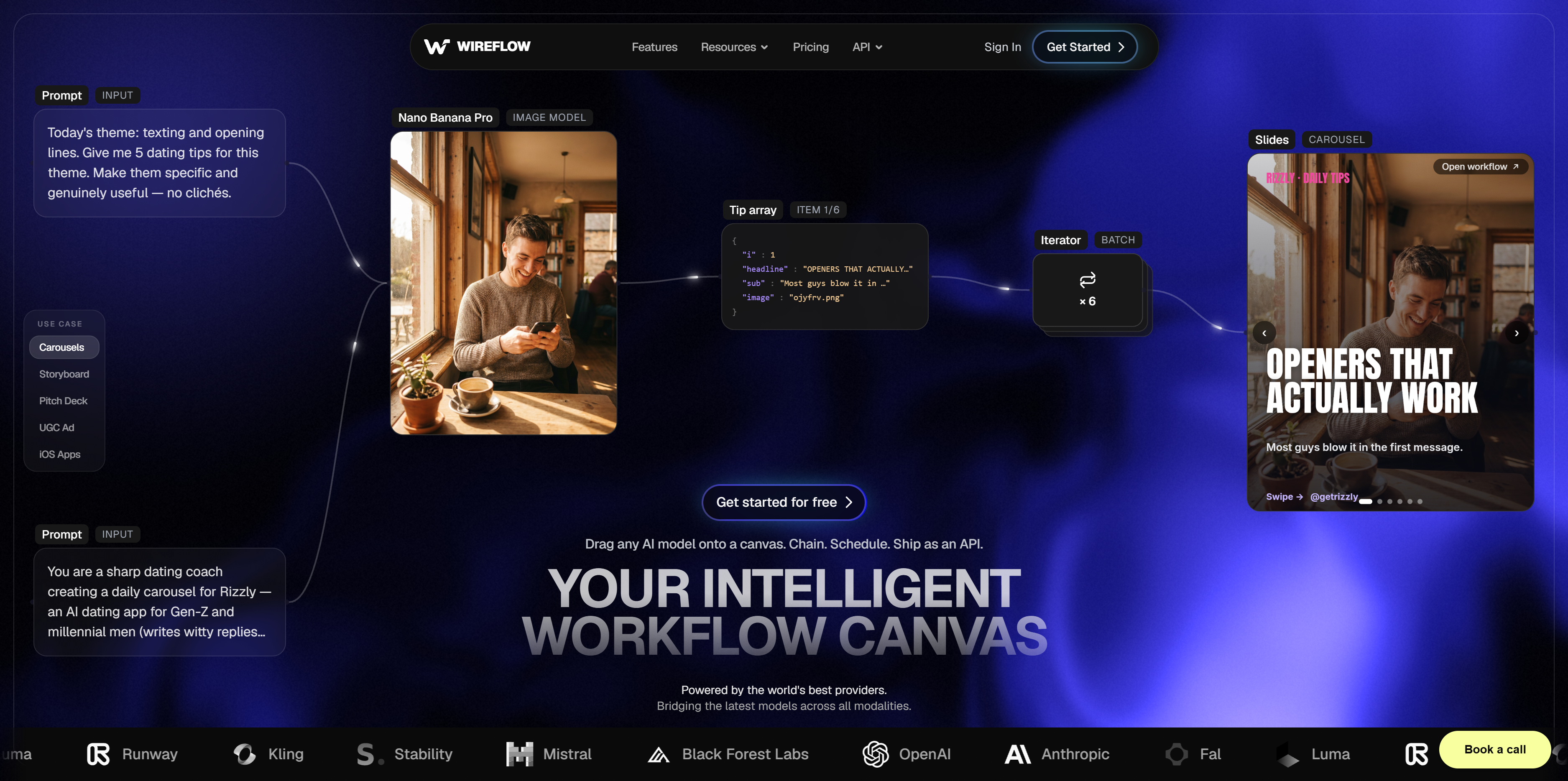
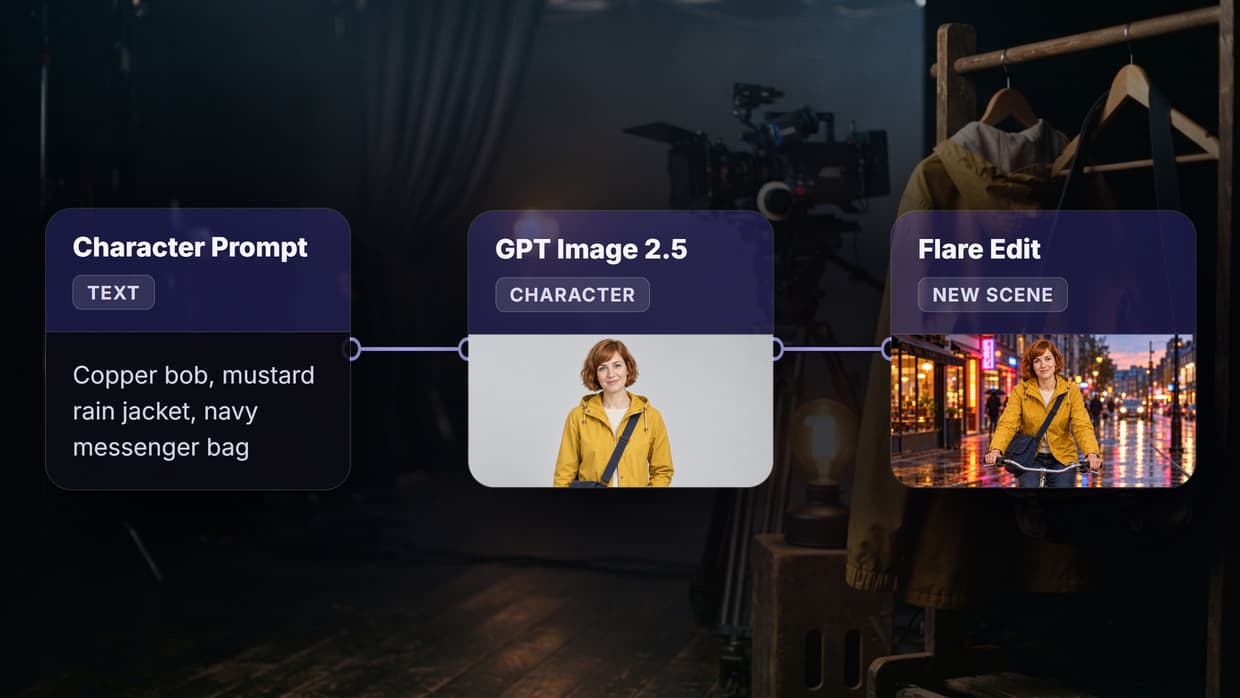
Wireflow provides a visual node editor where teams build image generation pipelines by connecting AI models on a drag-and-drop canvas. Each workflow can be saved as a template, shared across tenant workspaces, and triggered through the REST API with scoped keys.
Multi-tenancy features include per-key usage tracking, spend limits per workspace, and access to 30+ image models (Recraft V4, Flux 2 Pro, Nano Banana, Ideogram, and others) through a single integration. The batch generation endpoint lets tenants process hundreds of images in parallel without managing GPU infrastructure.
For teams that need both a UI and an API, Wireflow covers both. Designers use the canvas to prototype workflows, then developers expose those same workflows as API endpoints for their product. For a hands-on look at the multi-tenant capabilities, check out the multi-tenant AI image generation feature page. Pricing is usage-based with no per-seat fees.
Build this in Wireflow
Make the same kind of asset on a canvas you control, with a free account and no credit card.
2. Bria AI
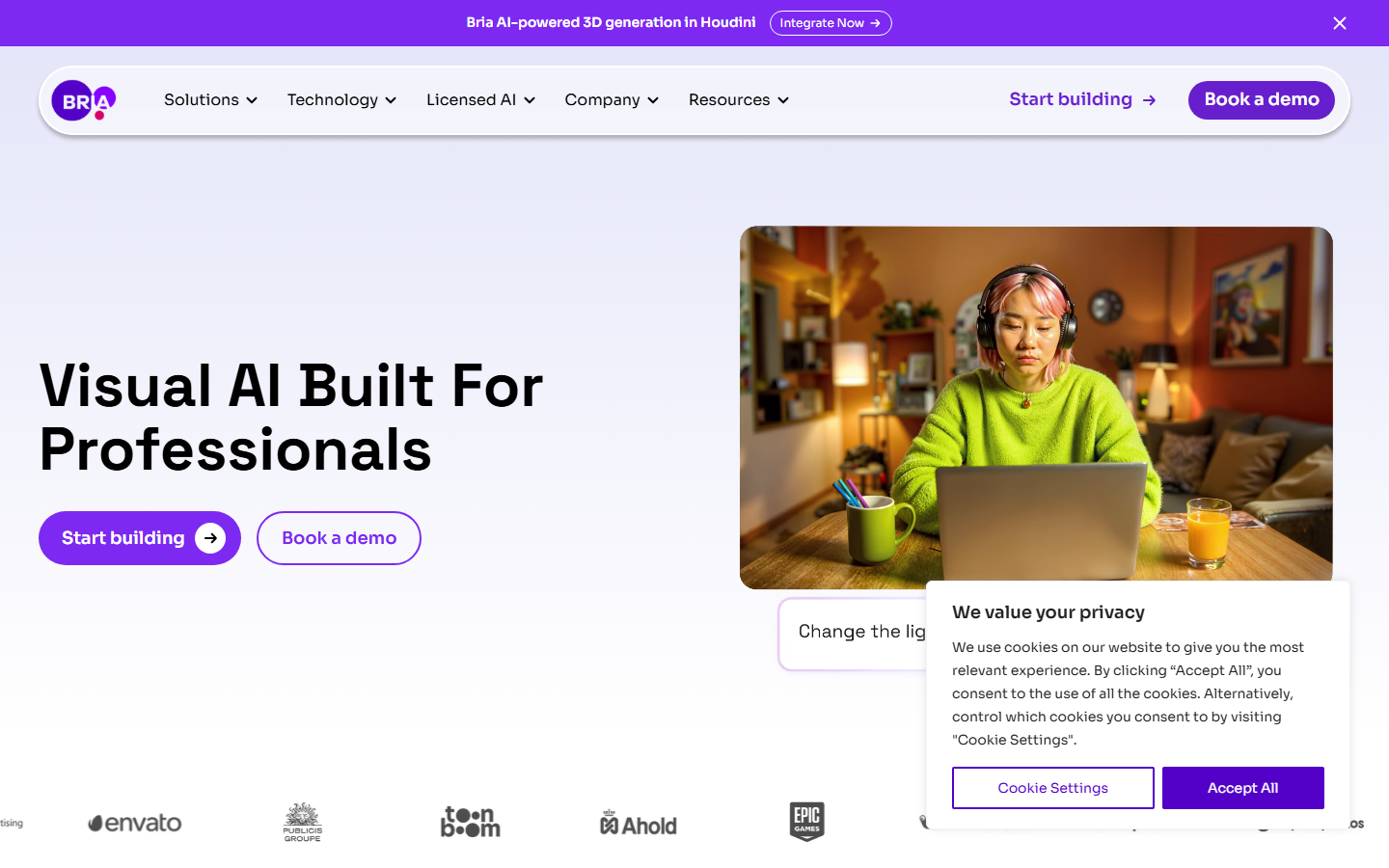
Bria AI positions itself as the enterprise-grade option for teams that need IP indemnification. Every model in Bria's stack is trained exclusively on licensed data, which means tenants get legal protection against copyright claims. The platform holds SOC 2 Type II and ISO 27001 certifications, making it suitable for regulated industries.
Bria's API supports iFrame embedding, so SaaS platforms can drop a white-label generation UI directly into their product. LoRA fine-tuning lets each tenant train brand-specific styles without affecting other workspaces. The tradeoff is a smaller model selection compared to aggregator platforms, and pricing sits at the higher end of the market.
3. Leonardo.ai
Leonardo.ai started as a consumer image generator but has expanded into team and enterprise plans with proper multi-tenant controls. The Teams plan includes usage metering per seat, cost tracking dashboards, and custom API rate limits. Enterprise customers get dedicated infrastructure and SLA guarantees.
Leonardo's strength is its creative workflow tooling. The platform includes inpainting, outpainting, texture generation, and motion features alongside standard text-to-image. For agencies managing multiple client accounts, Leonardo provides project-level organization with separate usage reports per project. Custom model training through Phoenix fine-tuning lets teams maintain brand consistency across tenant workspaces.
4. getimg.ai
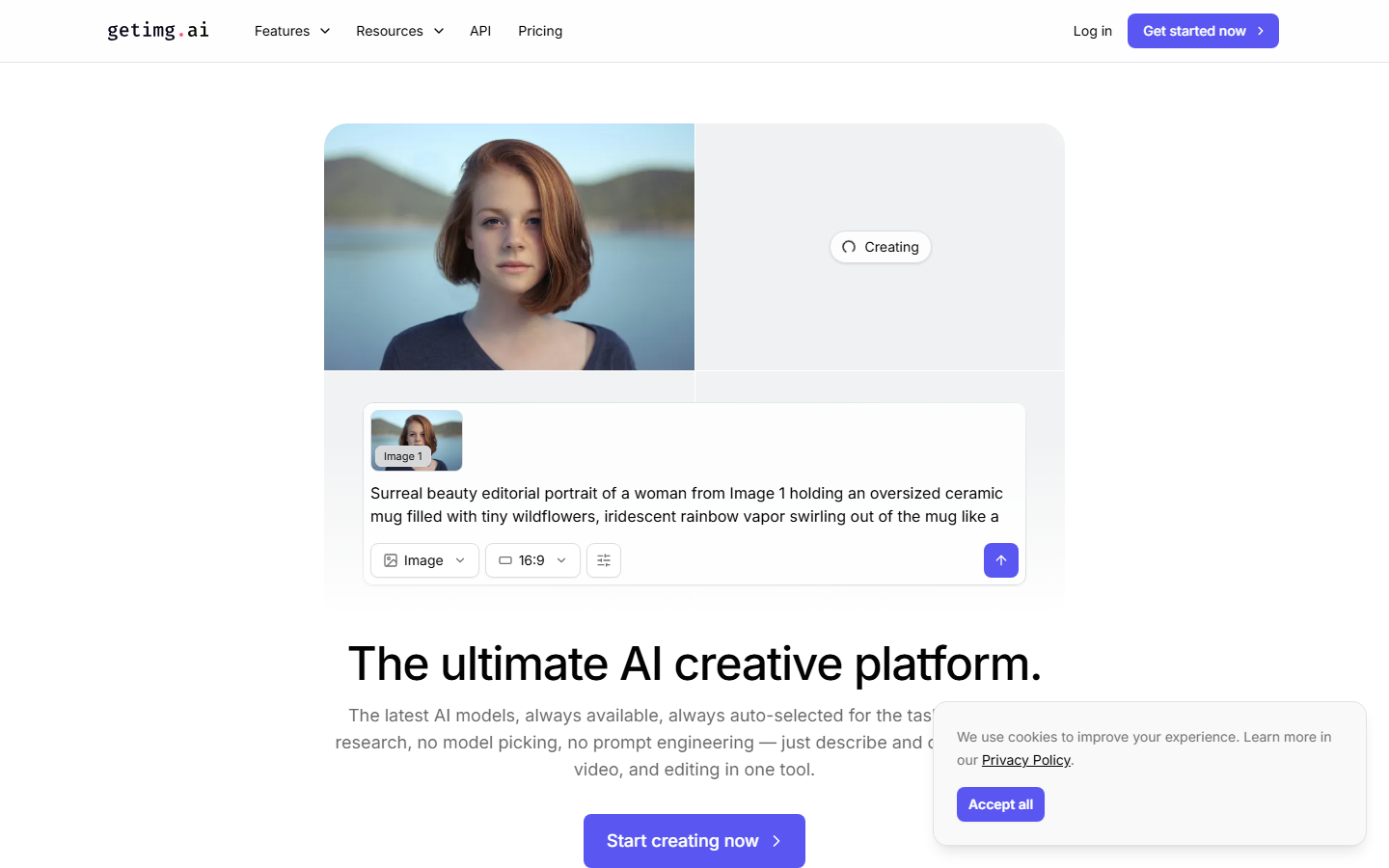
getimg.ai offers 60+ models through a unified API with team workspace support for up to 10 members. Token pools are shared across the team, which simplifies billing for small organizations that do not need strict per-tenant isolation. DreamBooth fine-tuning is available on all plans, letting each workspace train custom models.
The API follows a straightforward REST pattern with model chaining possible through sequential calls. Pricing starts at $12/month for 3,000 images, making it one of the more affordable options for small teams. The main limitation is the 10-member cap on team workspaces and the lack of programmatic workspace provisioning through the API.
5. Atlas Cloud
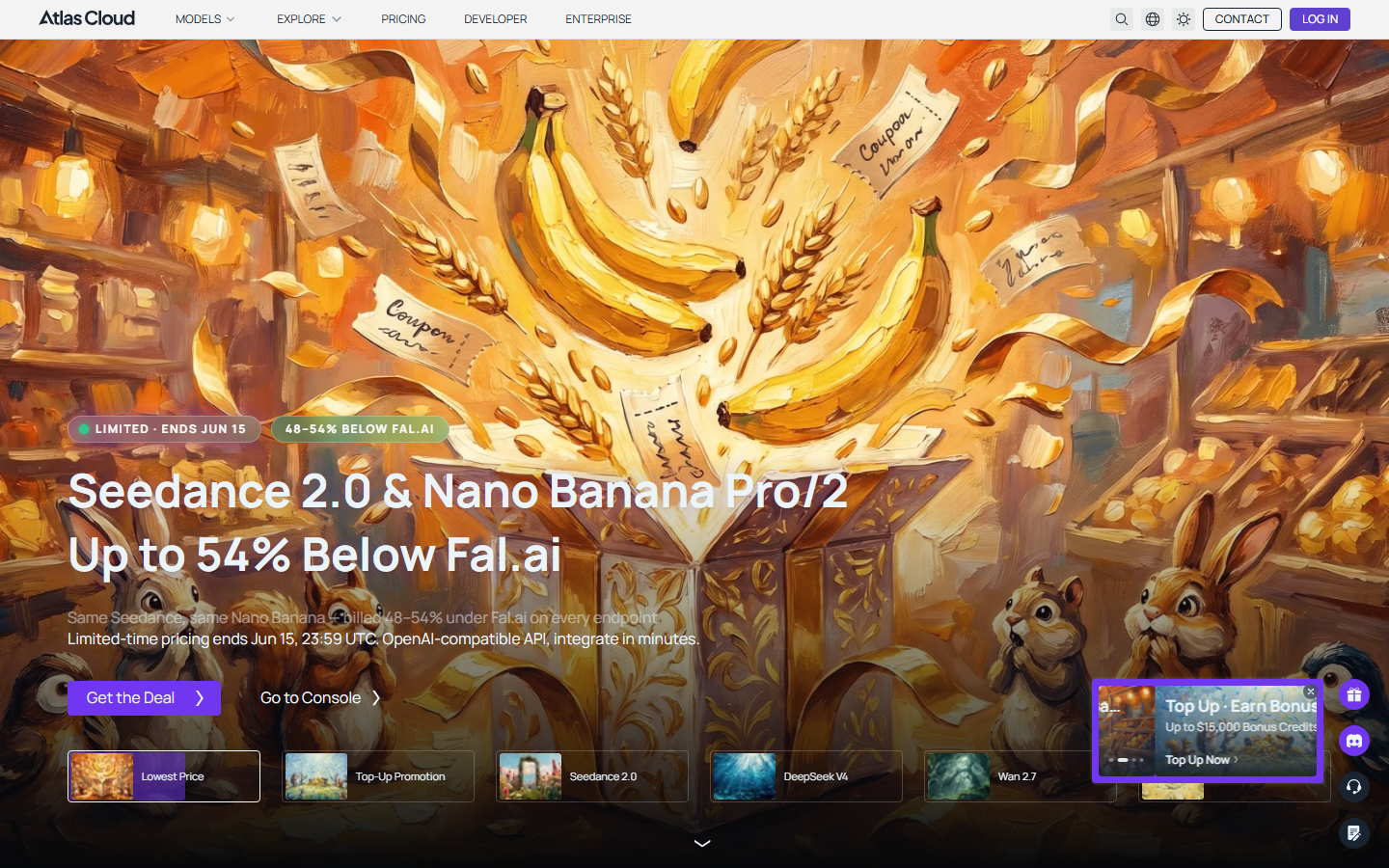
Atlas Cloud aggregates 300+ AI models behind a single API key and unified billing system. Instead of managing separate accounts with each model provider, teams integrate once and access Flux, DALL-E, Stable Diffusion, Ideogram, and others through one endpoint. This approach simplifies API integration for SaaS apps that need to offer model variety.
For multi-tenancy, Atlas Cloud provides sub-accounts with individual API keys and usage dashboards. Cost attribution breaks down spending per sub-account, which maps well to tenant-level billing. The platform bills on a per-call basis with volume discounts. The downside is that Atlas Cloud is purely an API layer with no visual editor or workflow builder.
6. fal.ai
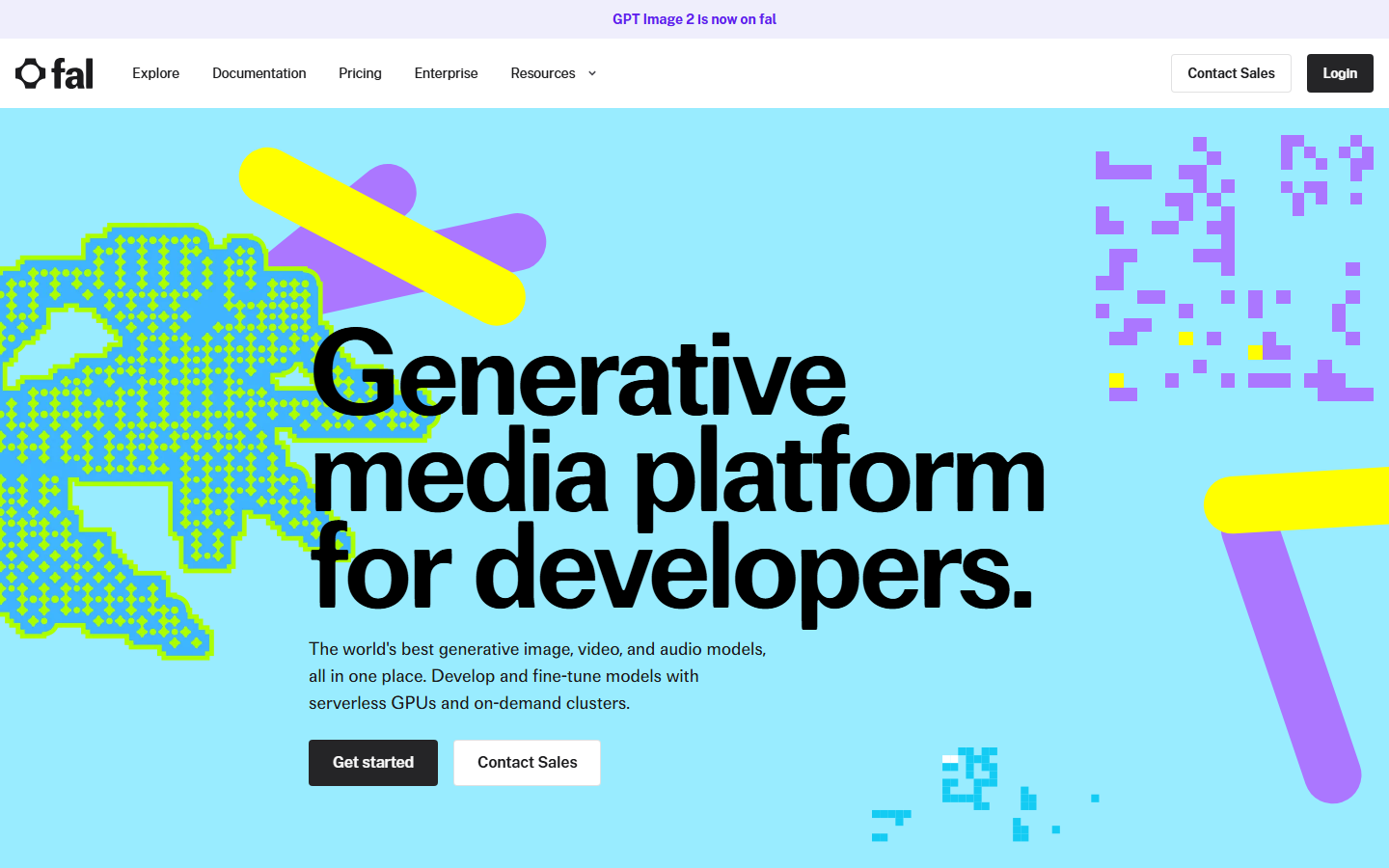
fal.ai runs serverless GPU inference with pay-per-call pricing and near-zero cold starts. The platform hosts popular open-source models (Flux, SDXL, Recraft) and lets developers deploy custom models. For teams building headless AI workflows, fal provides raw inference speed without platform lock-in.
The multi-tenant story is thinner here. fal.ai does not offer built-in workspace isolation or per-tenant billing. Teams that need those features must build their own proxy layer to route requests and track usage per client. What fal excels at is pure inference performance and cost efficiency for high-volume workloads, with pricing as low as $0.01 per image for basic models.
7. Lety.ai
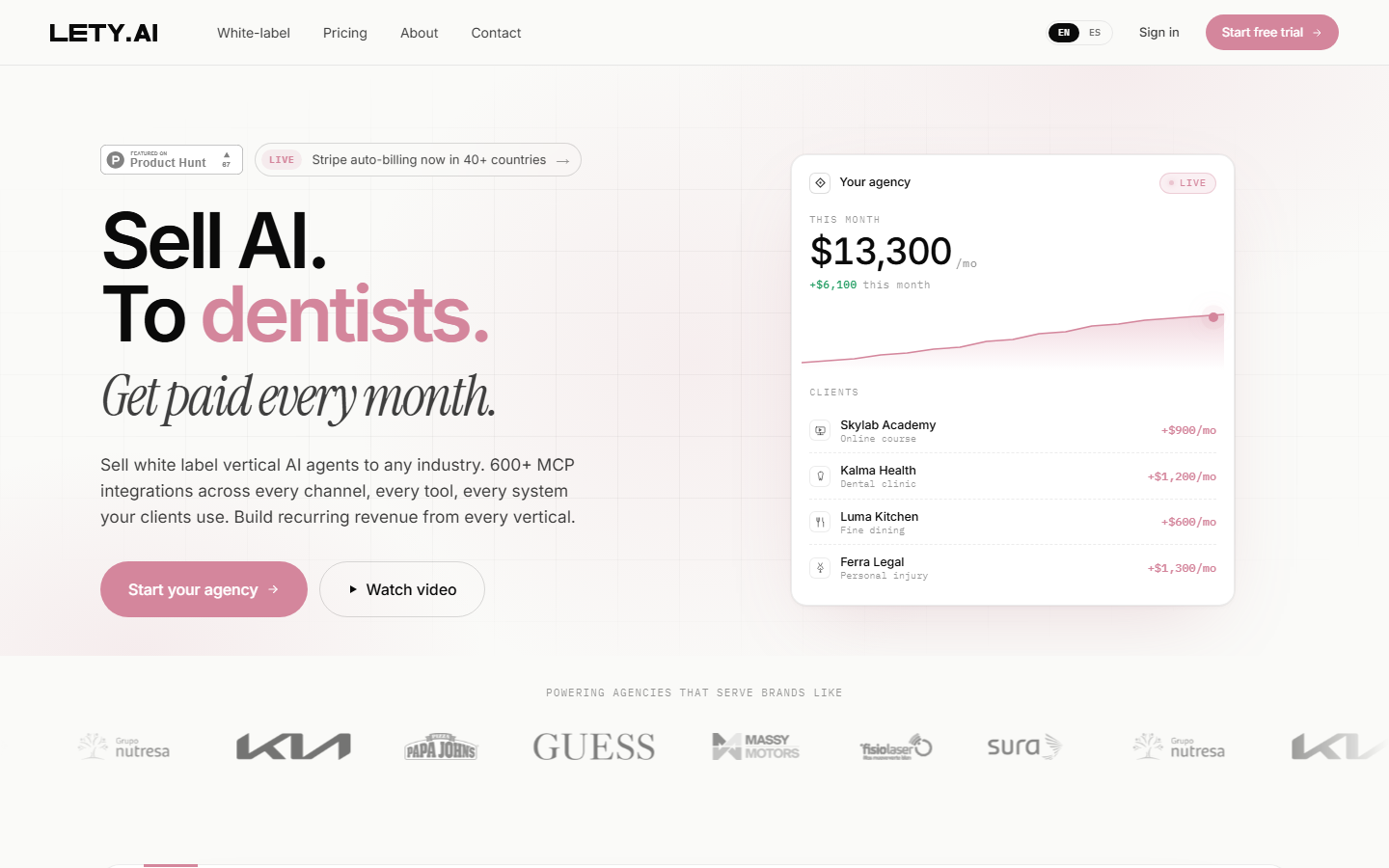
Lety.ai is built specifically for white-label multi-tenant deployments. The platform provides isolated workspaces with per-client billing, analytics, and branding. SaaS companies can embed Lety's AI generation canvas into their own product and manage tenant access through the admin API.
Each workspace operates independently with its own usage quotas, content moderation settings, and model access controls. Lety handles the billing infrastructure so platform operators can charge their own customers directly. The platform is newer and has a smaller model catalog than established players, but its multi-tenant architecture is purpose-built rather than retrofitted.
Comparison Table
| Platform | Models | Tenant Isolation | Per-Tenant Billing | API | White-Label | Starting Price |
|---|---|---|---|---|---|---|
| Wireflow | 30+ | API keys + workspaces | Yes (spend limits) | REST + Canvas | Yes | Usage-based |
| Bria AI | 5-8 (proprietary) | Full (SOC 2) | Yes | REST + iFrame | Yes | Enterprise |
| Leonardo.ai | 10+ | Project-level | Yes (per-seat) | REST | No | $12/mo |
| getimg.ai | 60+ | Team workspaces | Shared pool | REST | No | $12/mo |
| Atlas Cloud | 300+ | Sub-accounts | Yes (per-key) | REST | No | Pay-per-call |
| fal.ai | 20+ (open-source) | None (DIY) | No (DIY) | REST | No | $0.01/image |
| Lety.ai | 15+ | Full (isolated) | Yes (built-in) | REST + Admin | Yes | Custom |
FAQ
What is multi-tenant AI image generation?
Multi-tenant AI image generation means running a shared image generation platform where each customer (tenant) has isolated access, separate usage tracking, and independent billing. This architecture lets SaaS companies offer AI image generation to their users without building inference infrastructure from scratch.
How do I track usage per tenant?
Most platforms provide per-API-key or per-workspace usage dashboards. Look for platforms that break down costs by tenant automatically rather than requiring you to build your own usage-based pricing proxy layer.
Do I need IP indemnification for commercial use?
If your tenants are generating images for commercial purposes (ads, product photos, marketing), IP indemnification reduces legal risk. Bria AI is the strongest option here with fully licensed training data. Other platforms use open-source models where copyright status varies by jurisdiction.
Can I white-label the generation interface?
Wireflow, Bria AI, and Lety.ai support white-label embedding. You can drop a generation UI into your SaaS product with your own branding. Platforms like fal.ai and Atlas Cloud are API-only, meaning you would build your own frontend interface.
What pricing model works best for multi-tenant setups?
Pay-per-call pricing (used by fal.ai, Atlas Cloud, and Wireflow) maps cleanly to tenant billing because you can pass costs through directly. Per-seat pricing (Leonardo.ai) works for internal teams but gets complicated when embedding generation into a SaaS product with variable tenant counts.
How many AI models should a multi-tenant platform support?
More models give tenants flexibility, but managing 300+ models adds complexity. For most SaaS use cases, 5-10 high-quality models (one photorealistic, one illustration, one fast/cheap) cover the core needs. Platforms like Wireflow let you build reusable templates that lock tenants into curated model sets.
Is serverless inference better than dedicated GPUs?
Serverless (fal.ai, Wireflow) eliminates cold start management and scales automatically. Dedicated GPUs (Bria enterprise, Leonardo enterprise) provide predictable latency for high-throughput tenants. The right choice depends on your pipeline automation requirements and volume consistency.
How do I prevent tenants from exceeding budgets?
Set spend limits per API key or workspace. Wireflow and Atlas Cloud offer built-in spend caps. For platforms without this feature, implement a proxy that checks cumulative spend before forwarding requests to the generation API.
Try it yourself: Build this workflow in Wireflow - the nodes are pre-configured with Recraft V4, Flux 2 Pro, and Nano Banana running side by side so you can compare output quality across models for your tenant setup.

Co-Founder & Operations at Wireflow
Runs client operations and content strategy at Wireflow. Works directly with creative teams and agencies to build production AI workflows.
- Content Strategy
- Client Operations
Make AI videos and ads.
Start free, no card needed.