Product photography used to mean renting a studio, hiring a photographer, and waiting days for edited shots. In 2026, AI image generators handle most of that in minutes. Wireflow lets you chain multiple AI models into a single pipeline, so you can go from a raw product photo to a polished, listing-ready image without switching between tools. This guide walks through the full process, from preparing your source material to publishing final images on your product pages.
Why AI Product Photography Matters for Ecommerce
Shoppers make snap judgments based on images. According to multiple ecommerce studies, listings with high-quality product photos convert up to 30% better than those with amateur shots. Traditional product photography costs $25 to $75 per image when you factor in studio time, equipment, and retouching. AI tools cut that to a fraction of the cost and deliver results in seconds rather than days. The same economics apply to mockups, where a product mockup workflow turns one brief into a print ready product shot you can rerun per SKU. For a hands-on look at this in action, check out the AI product image generation feature page.
The main advantages include:
- Speed: generate dozens of product variants in the time it takes to set up one physical shoot
- Consistency: maintain uniform lighting, angles, and backgrounds across your entire catalog
- Cost: eliminate recurring studio and photographer fees
- Scalability: create seasonal, promotional, or A/B test variants without reshooting
If you sell on marketplaces like Amazon, Etsy, or Shopify, consistent photo quality directly impacts your search ranking and click-through rates.
Step 1: Prepare Your Source Images
Start with the best raw material you can get. You do not need professional gear, but follow these basics:
- Use natural or even lighting. A window and a white poster board work well. Avoid harsh shadows.
- Shoot on a plain background. White or light gray makes AI extraction easier.
- Capture multiple angles. Front, side, 45-degree, and detail shots give you more material to work with.
- Use the highest resolution your phone or camera supports. AI upscalers can enhance later, but they work better with clean source files.

Even a smartphone photo taken on a clean desk works as a starting point. The key is removing visual distractions so the AI model can isolate your product cleanly. Tools like an AI background remover can strip cluttered backgrounds in one click if your original shot is not studio-grade.
Step 2: Remove and Replace Backgrounds
The fastest way to transform amateur product photos into professional-looking shots is background replacement. Here is the general process:
- Upload your raw product photo to a background removal tool.
- The AI isolates the product from its surroundings, creating a transparent PNG.
- Choose a new background: solid white for marketplace compliance, a lifestyle scene for social media, or a branded color for your website.
Most ecommerce platforms require a pure white main image. Amazon, for example, mandates an RGB 255/255/255 white background for primary listing photos. AI background generators can place your product on a pixel-perfect white surface with realistic shadows that match the original lighting direction.
For lifestyle shots, describe the scene you want. A prompt like "ceramic coffee mug on a rustic wooden table, morning sunlight, minimal kitchen background" produces catalog-quality results. The AI handles lighting adjustments, shadow casting, and color matching automatically.
Step 3: Generate Product Variants at Scale
Once you have a clean product cutout, the real power of AI kicks in. You can generate dozens of variants from a single source image:
- Color variations: show your product in every available color without photographing each one
- Seasonal themes: create holiday, summer, or back-to-school versions of the same listing
- Platform-specific crops: square for Instagram, 4:5 for Pinterest, 16:9 for website banners
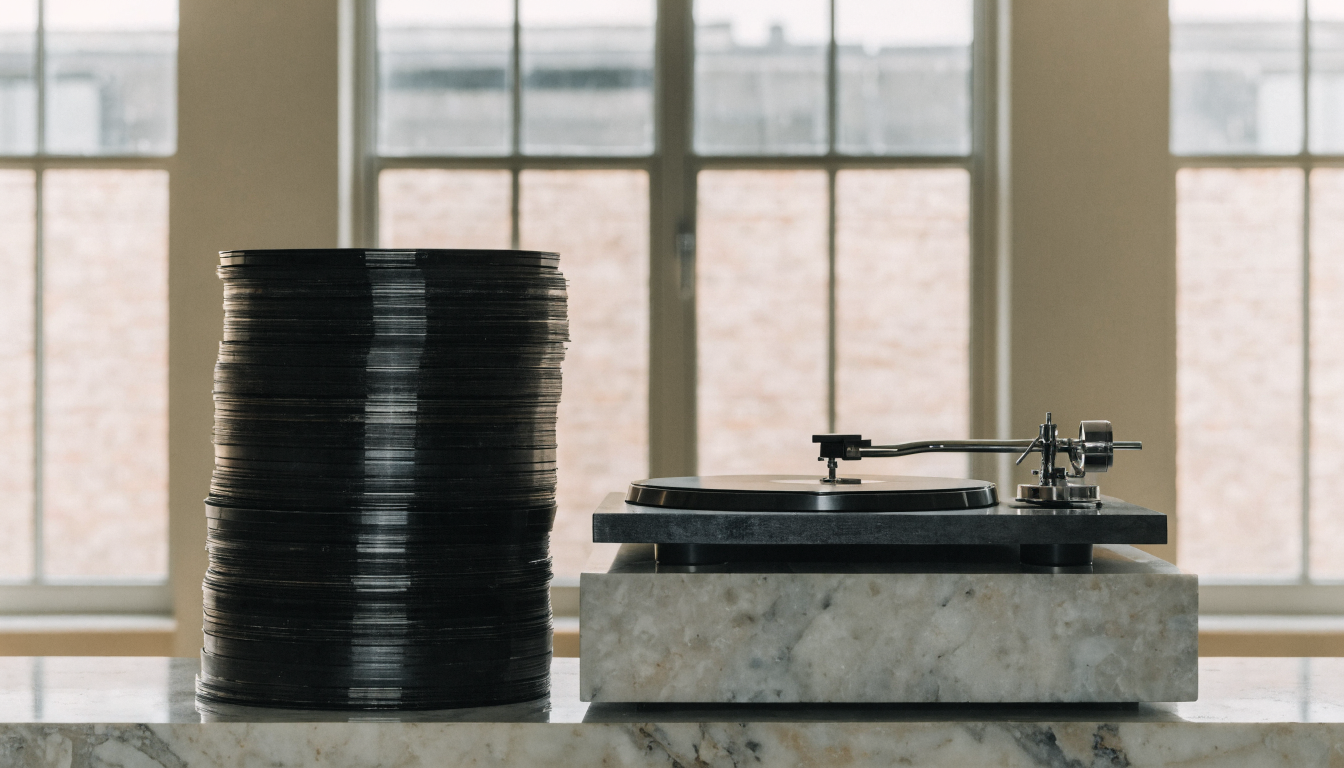
For stores with large catalogs, batch generation is essential. Instead of processing one image at a time, you feed the system a folder of product cutouts and a set of background templates, then let it produce all combinations. A 50-product catalog with 4 background variants each creates 200 listing-ready images in a single run.
Step 4: Enhance and Upscale for Print and Web
AI-generated images sometimes need a final polish. Common enhancements include:
- Upscaling: increase resolution from 1024px to 4096px for zoom-friendly detail pages
- Color correction: adjust white balance so the product color matches reality
- Shadow refinement: add or adjust drop shadows for a grounded, natural look
- Detail sharpening: enhance texture and fine details like stitching, grain, or metallic finishes
An AI image upscaler can quadruple resolution without introducing blur or artifacts. This matters for product categories where buyers zoom in to inspect quality, such as jewelry, textiles, and electronics.
For fashion and apparel sellers, virtual try-on tools take this further by placing your clothing on AI-generated models, eliminating the need for model shoots entirely.
Step 5: Build a Repeatable Workflow
The biggest time savings come from automation. Rather than running each step manually, set up a workflow that processes new products automatically:
- Input: raw product photo uploaded to a shared folder
- Background removal: AI strips the background and saves a transparent PNG
- Scene generation: the cutout gets placed on 3 to 5 pre-configured background templates
- Upscaling: each variant is upscaled to your target resolution
- Export: final images are saved in platform-specific formats and sizes
This kind of model chaining turns a multi-step manual process into a single automated pipeline. Once configured, adding a new product to your store takes minutes instead of hours.
Tips for Better AI Product Images
A few practical tips based on what works in real ecommerce workflows:
- Write specific prompts. "Red leather handbag on white marble surface, soft studio lighting, slight reflection" beats "handbag photo." The more detail you give, the more accurate the output.
- Match your marketplace requirements. Amazon needs white backgrounds. Etsy shoppers respond to lifestyle scenes. Know your platform's standards before generating.
- Keep a prompt library. Save prompts that produce good results so you can reuse them across your catalog for visual consistency.
- Test with A/B variants. Generate two background styles for the same product, run them as A/B tests on your listing, and let conversion data decide which performs better.
If you are already using AI for image editing, adding product photo generation is a natural extension. The same models that handle general-purpose editing also understand ecommerce-specific requirements like shadow placement and color fidelity.
Common Mistakes to Avoid
Several pitfalls trip up sellers who are new to AI product photography:
- Over-processing: too many filters or enhancements make products look fake. Keep edits subtle and realistic.
- Ignoring color accuracy: AI can shift colors slightly. Always compare the generated image to your physical product and correct any drift.
- Using low-resolution sources: AI cannot invent detail that is not there. Start with the sharpest source you can capture.
- Skipping mobile preview: most shoppers browse on phones. Check that your images look good at small sizes, not just on desktop.
For sellers exploring free AI image generators, start with your best-selling products first. Prove the workflow works on high-impact items before rolling it out across your full catalog.
Try it yourself: Build this workflow in Wireflow — the nodes are pre-configured with the exact setup discussed above.
Frequently Asked Questions
What is the best AI tool for product photography?
The best tool depends on your needs. All-in-one platforms like Wireflow handle the full pipeline from background removal to final export. Specialized tools like Photoroom and Pebblely focus specifically on ecommerce photo editing. For catalog-scale operations, workflow-based tools with batch processing save the most time.
Can AI product images meet Amazon listing requirements?
Yes. AI tools can generate images with pure white (RGB 255/255/255) backgrounds, proper product-to-frame ratios, and high enough resolution to meet Amazon's minimum 1000px requirement. Always verify the output against Amazon's current image standards before uploading.
How much does AI product photography cost?
Most AI image generation tools charge between $0.01 and $0.10 per image. Compared to traditional product photography at $25 to $75 per shot, AI reduces costs by 90% or more. Many platforms offer free tiers for low-volume sellers.
Do AI-generated product images look realistic?
Modern AI models produce photorealistic results that are difficult to distinguish from traditional photography. The key is using good source material and writing specific prompts. Lighting, shadows, and reflections are handled automatically by the model.
Can I use AI to create lifestyle product shots?
Absolutely. Describe the scene you want, such as "product on a kitchen counter with morning light," and the AI generates a contextual background around your product cutout. This works for social media content, website banners, and marketplace listings.
How do I maintain brand consistency across AI-generated images?
Save your best prompts and background templates in a reusable library. Use the same lighting direction, color palette, and composition rules across all generations. Workflow automation tools let you lock in these settings so every new product gets the same treatment.
Is it legal to use AI-generated product images for ecommerce?
Yes. AI-generated product images that feature your own products are fully legal to use commercially. The product itself is real; only the background and enhancement layer are AI-generated. This is no different from traditional post-production editing.
How long does it take to generate one product image?
A single AI-generated product image typically takes 5 to 30 seconds depending on the complexity and resolution. Background removal is nearly instant. Full pipeline processing with upscaling and multiple variants usually completes in under two minutes per product.
Would you rather we just built it?
We get on a call, learn your style, build the workflow, and ship the deliverables on a schedule. You keep the workflow either way.