Midjourney Alternatives in 2026: 8 Free and Paid Tools Compared

In this article▾
- Quick Summary
- 1. Wireflow AI - Best Overall
- 2. Leonardo.ai - Best Free Option
- 3. DALL-E 3 - Best for Ease of Use
- 4. Ideogram - Best for Text in Images
- 5. Flux Pro - Best for Photorealism
- 6. Adobe Firefly - Best for Commercial Use
- 7. Stable Diffusion - Best Open Source
- 8. Google Imagen 3 - Best for Prompt Accuracy
- Comparison Table
- Is there a free Midjourney alternative?
- FAQ
- Conclusion
The best Midjourney alternatives in 2026 offer what Midjourney does not: real free tiers, open API access, and full control over your whole image pipeline. Midjourney changed how creators think about AI-generated images, but it is not the only option worth considering. Whether you need more control over your creative pipeline, better pricing, or features Midjourney does not offer, several platforms now deliver comparable or superior results. Wireflow AI stands out by letting you chain multiple AI models into visual workflows, giving you far more flexibility than any single-model tool.
Quick Summary
- Wireflow AI - Best Overall (visual workflow builder, multi-model chaining)
- Leonardo.ai - Best Free Option (150 daily tokens, multiple built-in models)
- DALL-E 3 - Best for Ease of Use (built into ChatGPT, natural language prompts)
- Ideogram - Best for Text in Images (logos, posters, readable typography)
- Flux Pro - Best for Photorealism (former Stability AI researchers, near-photo output)
- Adobe Firefly - Best for Commercial Use (trained on licensed content, IP-safe)
- Stable Diffusion - Best Open Source (run locally, unlimited free generations)
- Google Imagen 3 - Best for Prompt Accuracy (handles complex multi-subject scenes)
1. Wireflow AI - Best Overall
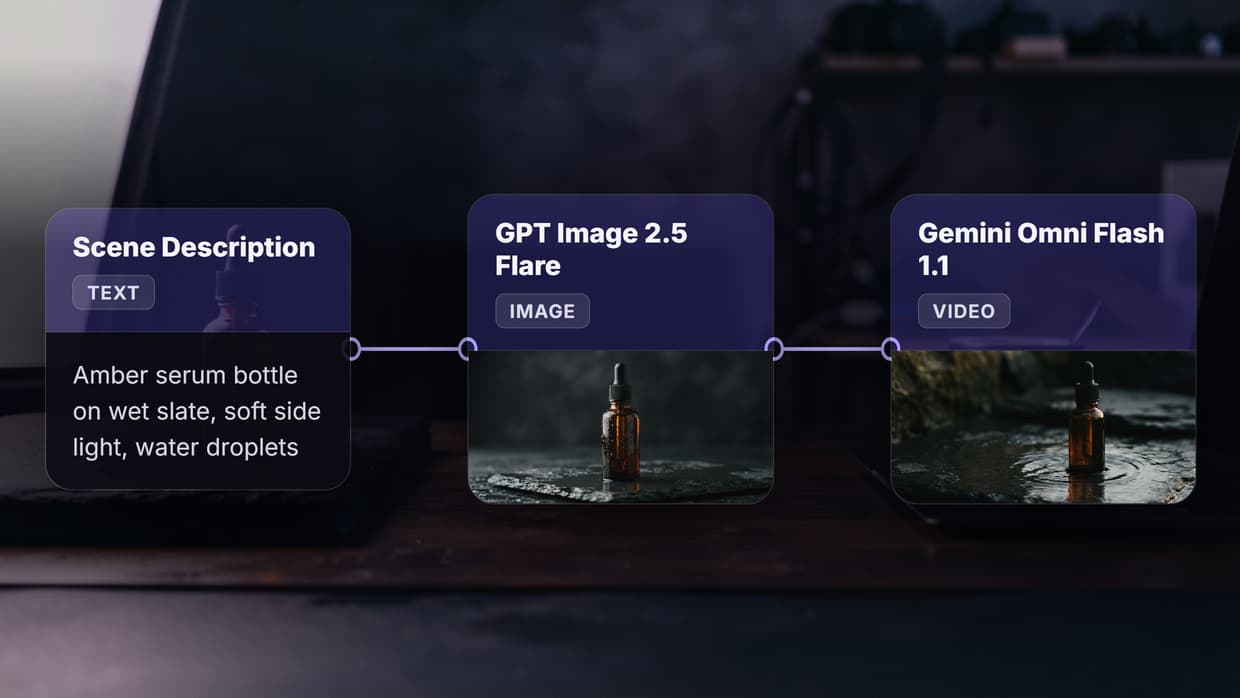
Wireflow is not a traditional image generator. It is a visual node editor that connects multiple AI models into a single creative pipeline. You can chain image generation, upscaling, background removal, and style transfer into one reusable workflow.
This approach solves a common frustration with standalone generators: getting a great base image but needing to jump between tools to refine it. With Wireflow, you build the entire process once and run it on any prompt. The platform supports models like Recraft V4, Flux, and SDXL, so you pick the right model for each step rather than being locked into one.
Key strengths: AI model chaining, batch processing, reusable templates, no-code canvas interface.
Pricing: Free tier available. Pro plans start at $19/month with higher generation limits and priority processing.
Build this in Wireflow
Make the same kind of asset on a canvas you control, with a free account and no credit card.
2. Leonardo.ai - Best Free Option
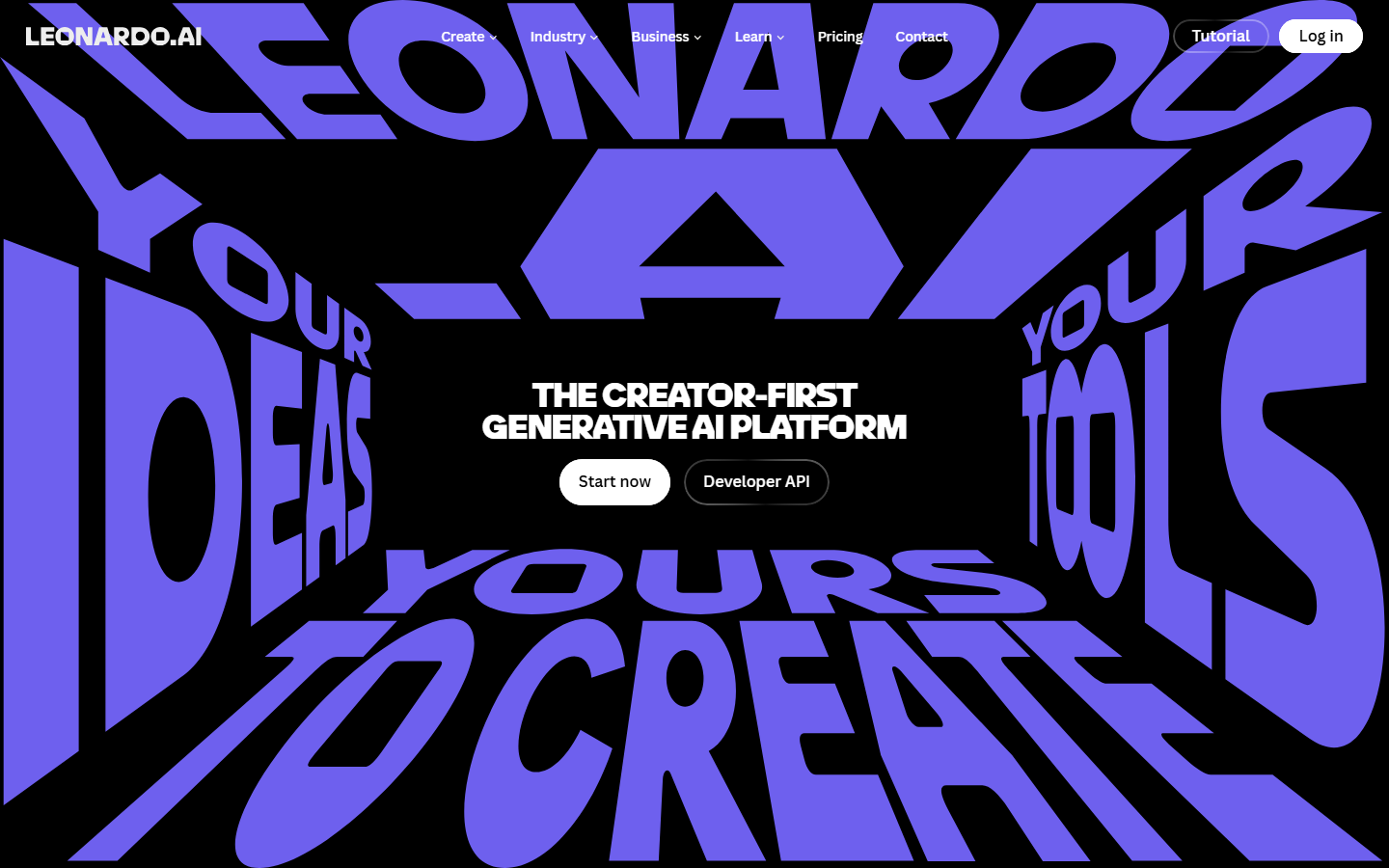
Leonardo.ai gives you 150 free tokens daily, which translates to roughly 150 standard-quality images. That is significantly more generous than most competitors. The platform includes multiple AI models (Phoenix, FLUX) and a Canvas Editor for post-generation editing.
The real-time generation feature lets you see images forming as you type, which speeds up the prompt refinement process. Leonardo also offers fine-tuning, so you can train custom models on your own datasets for consistent brand output.
Key strengths: Generous free tier, multiple model options, real-time preview, custom model training.
Pricing: Free tier with 150 daily tokens. Paid plans from $12/month for higher limits and premium models.
3. DALL-E 3 - Best for Ease of Use
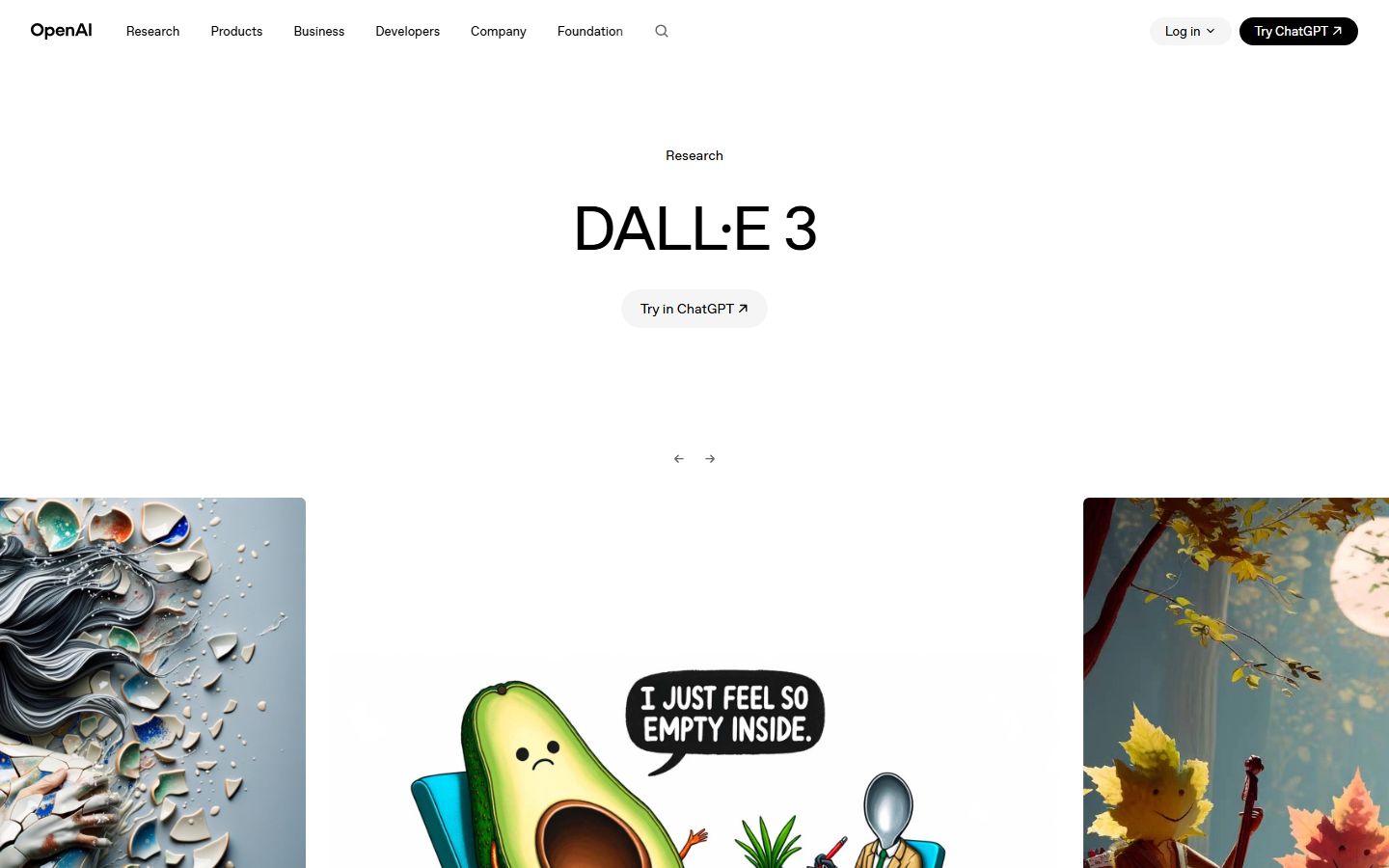
DALL-E 3 is built directly into ChatGPT, which makes it the simplest AI image generator to use. You describe what you want in plain English, and ChatGPT refines your prompt before sending it to the image model. This prompt enhancement step is a genuine advantage for people who are not experienced with AI art generation.
The text rendering in DALL-E 3 is reliable, making it a solid choice for creating images with readable words, signs, or labels. It handles compositional prompts well, placing objects where you specify them.
Key strengths: ChatGPT integration, automatic prompt enhancement, strong text rendering, simple interface.
Pricing: Included with ChatGPT Plus ($20/month). Limited free access through Bing Image Creator.
4. Ideogram - Best for Text in Images
If your primary need is generating images with accurate, readable text, Ideogram is the specialist. It was built specifically to handle typography in AI images, something that most generators still struggle with. Logos, posters, social media graphics with slogans, and product mockups with labels all render cleanly. You can build complete visual assets with text using batch generation workflows to test multiple variations at once.
Ideogram's free tier offers 10 prompts per day (roughly 40 images with the 4x output option), which is enough for casual use and experimentation.
Key strengths: Industry-leading text rendering, typography-focused design, poster and logo generation.
Pricing: Free tier with 10 daily prompts. Plus plan at $8/month for 100 daily prompts.
5. Flux Pro - Best for Photorealism
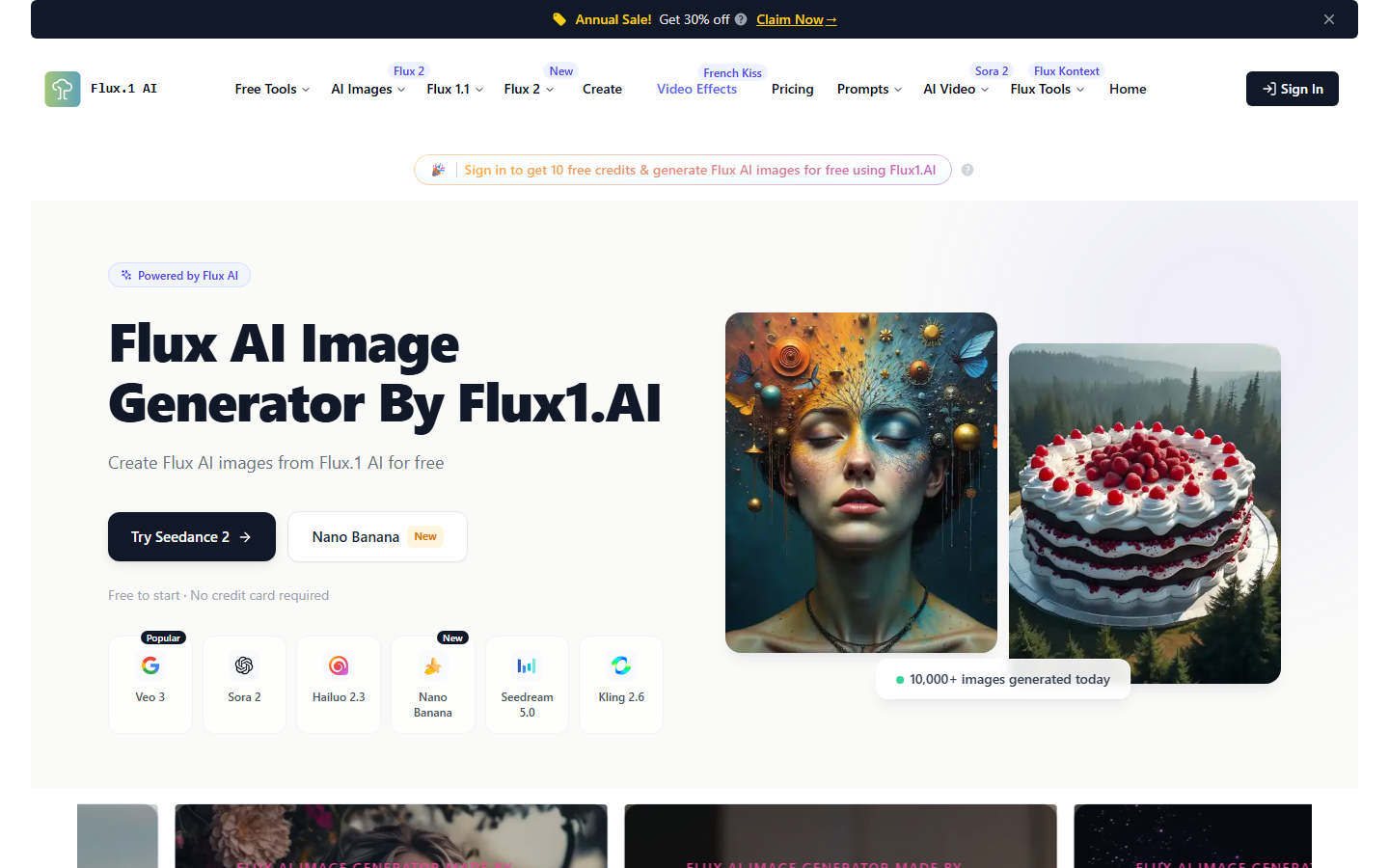
Flux Pro, developed by Black Forest Labs (founded by former Stability AI researchers), produces some of the most photorealistic AI images available today. The output is often difficult to distinguish from actual photographs, especially for portraits, landscapes, and product shots. Many creators now prefer it over Midjourney for realism-focused work. Wireflow users can access Flux models directly through the platform's AI image generator workflows.
The model handles complex lighting, skin texture, and environmental details with a consistency that few competitors match. Flux also offers strong prompt adherence, meaning what you describe is closely what you get.
Key strengths: Near-photographic output quality, strong prompt adherence, excellent detail rendering.
Pricing: Available through API partners. Pricing varies by provider; typically $0.03-0.06 per image.
6. Adobe Firefly - Best for Commercial Use
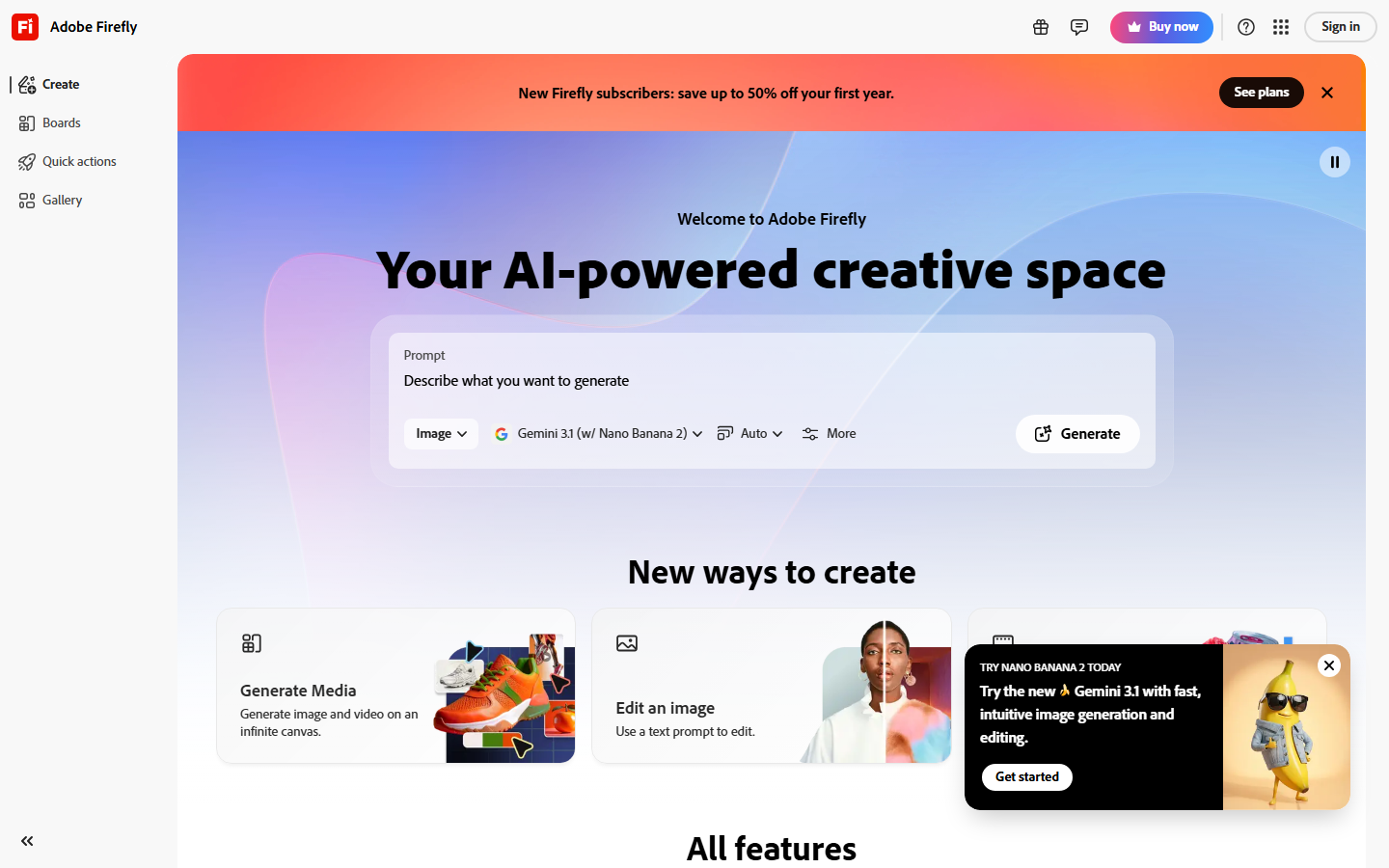
Adobe Firefly is trained exclusively on Adobe Stock images, openly licensed content, and public domain material. This makes it the safest choice for commercial projects where IP concerns matter. If your team needs AI-generated images for client work, advertising, or products, Firefly eliminates the legal gray area that surrounds other generators. It integrates directly with Photoshop and Illustrator, fitting into existing creative workflows without disruption.
The generative fill and expand features in Photoshop, powered by Firefly, are particularly useful for editing existing photos rather than generating from scratch.
Key strengths: Commercially safe training data, Creative Cloud integration, generative fill, IP indemnification.
Pricing: Included with Creative Cloud subscriptions. Standalone access through Adobe's free tier (25 monthly credits).
7. Stable Diffusion - Best Open Source
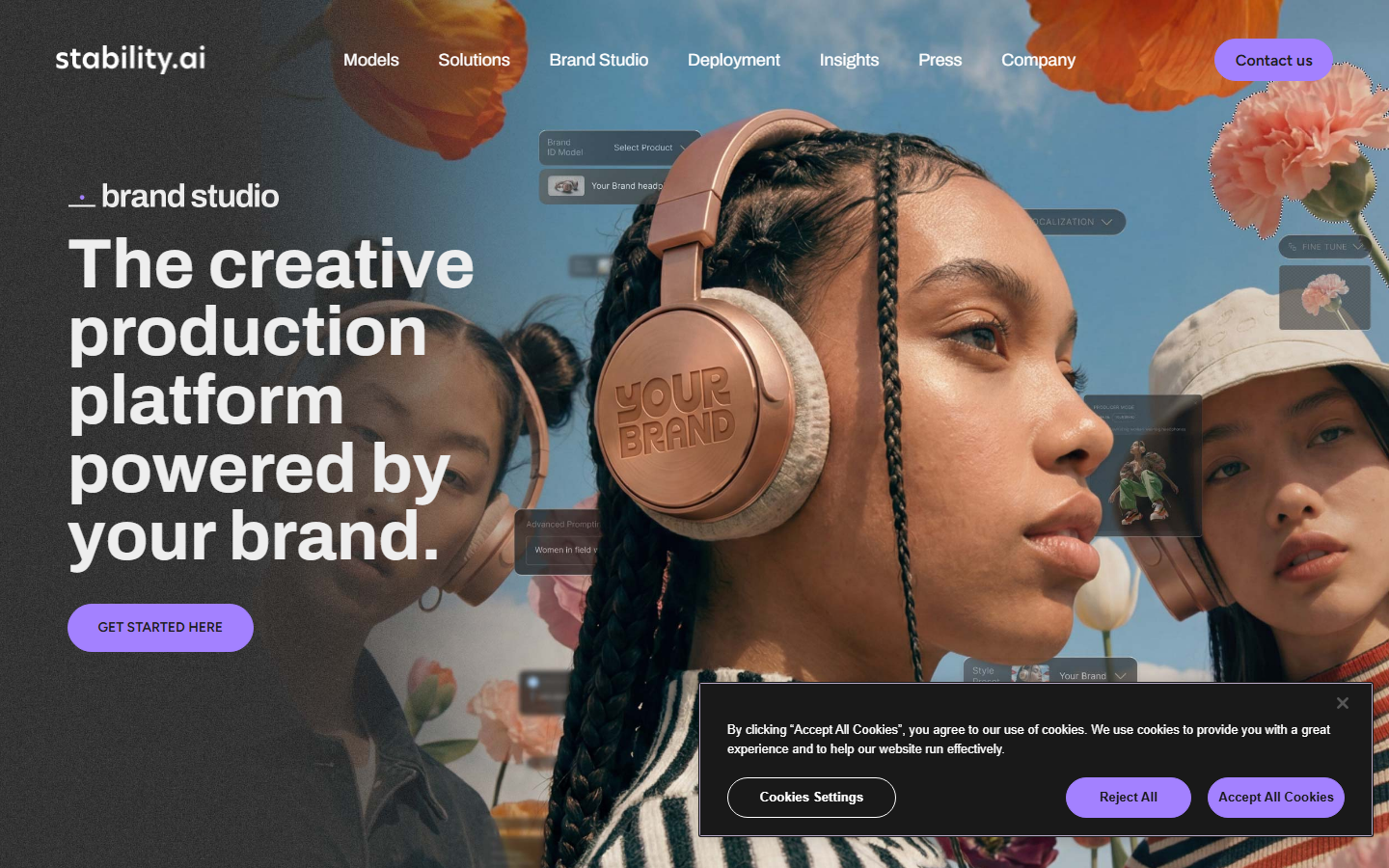
Stable Diffusion is the only major AI image generator you can run entirely on your own hardware. Once installed, there are no usage limits, no subscription fees, and no content filters beyond what you configure yourself. The SDXL and SD 3.5 models produce output that rivals Midjourney in quality, especially with community-created LoRA models and fine-tunes. For teams that want to build automated AI pipelines with full control over the model layer, Stable Diffusion provides that foundation.
The tradeoff is setup complexity. You need a GPU with at least 8GB VRAM, and getting optimal results requires familiarity with samplers, CFG scales, and checkpoint management.
Key strengths: Fully open source, no usage limits, local execution, massive community ecosystem.
Pricing: Free (requires your own hardware). Cloud-hosted options available through various providers.
8. Google Imagen 3 - Best for Prompt Accuracy
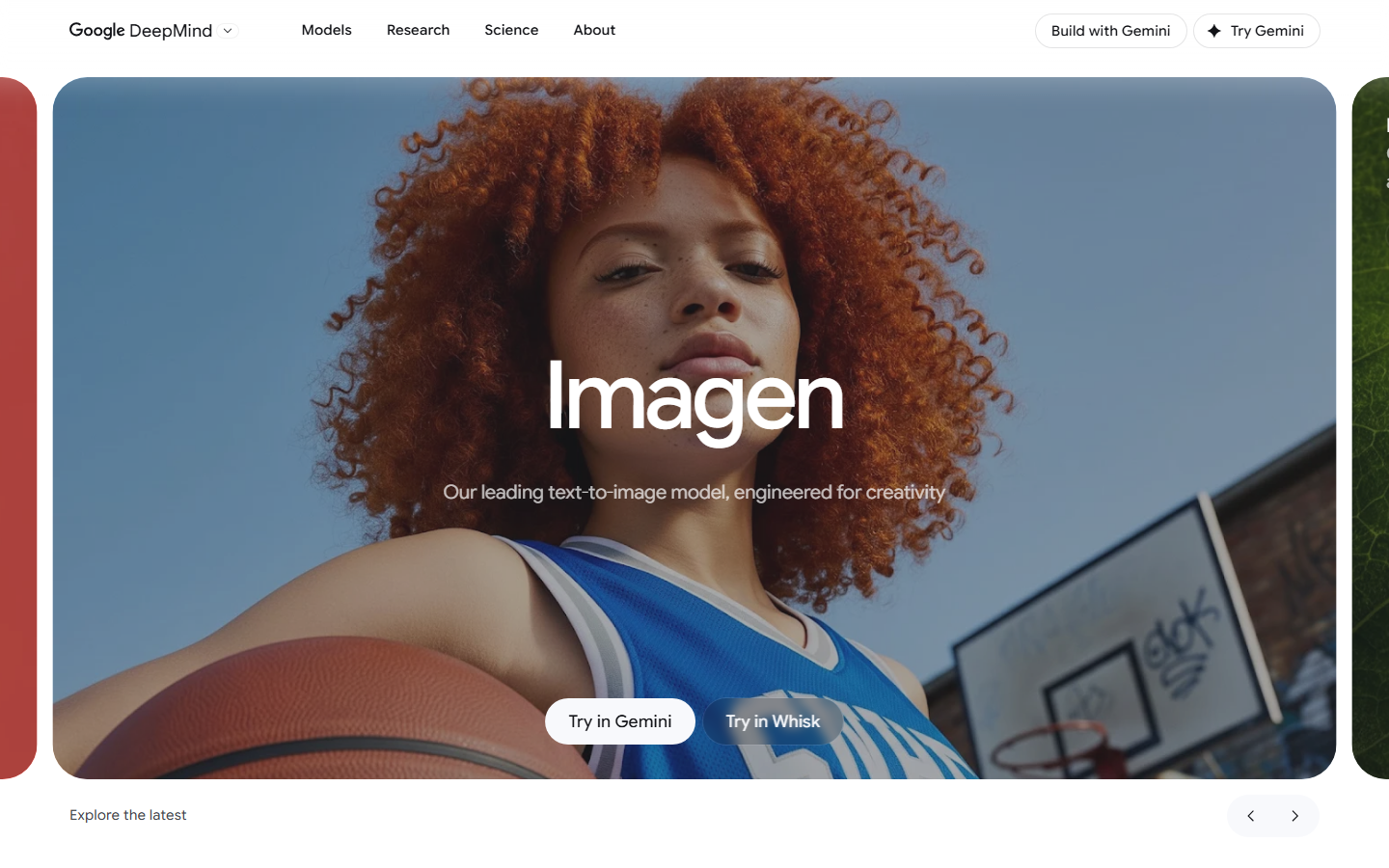
Google's Imagen 3, available through Gemini, excels at interpreting detailed, complex prompts. Where other generators might ignore or misinterpret parts of a long prompt, Imagen 3 handles multi-subject scenes, spatial relationships, and specific attribute requests with higher accuracy. It works well for scenes where you need precise control over what appears where. You can use the outputs as starting points in AI photo generation workflows for further refinement.
The integration with Google's ecosystem means you can access it through the Gemini app, Google AI Studio, and the Vertex AI API.
Key strengths: Superior prompt following, multi-subject scene handling, Google ecosystem integration.
Pricing: Free through Gemini. API access via Vertex AI with pay-per-use pricing.
Comparison Table
| Tool | Best For | Free Tier | Text Rendering | Local Install | Multi-Model |
|---|---|---|---|---|---|
| Wireflow AI | Workflow automation | Yes | Via model choice | No | Yes |
| Leonardo.ai | Free daily use | 150 tokens/day | Moderate | No | Yes |
| DALL-E 3 | Simplicity | Limited | Strong | No | No |
| Ideogram | Typography | 10 prompts/day | Excellent | No | No |
| Flux Pro | Photorealism | No | Moderate | Via API | No |
| Adobe Firefly | Commercial safety | 25 credits/mo | Good | No | No |
| Stable Diffusion | Full control | Unlimited | With LoRAs | Yes | Via ComfyUI |
| Google Imagen 3 | Prompt accuracy | Yes | Good | No | No |
Is there a free Midjourney alternative?
Yes. Midjourney itself has no free tier, but several of the tools in this guide do. Leonardo.ai, Google Imagen 3, Adobe Firefly and Ideogram all include free daily generations you can use without paying, and Stable Diffusion is free to run on your own hardware once you install it. Wireflow AI also has a free tier, so you can build and test a complete image pipeline before you commit to a paid plan. The table below shows, for each of the eight tools covered above, whether it has a free tier, what it is best at, and whether it offers a developer API.
| Tool | Free Tier | Best For | API |
|---|---|---|---|
| Wireflow AI | Yes | Workflow automation | Yes |
| Leonardo.ai | Yes | Free daily use | Yes |
| DALL-E 3 | Limited | Simplicity | Yes |
| Ideogram | Yes | Typography | Yes |
| Flux Pro | No | Photorealism | Yes |
| Adobe Firefly | Yes | Commercial safety | Yes |
| Stable Diffusion | Yes | Full control | Yes |
| Google Imagen 3 | Yes | Prompt accuracy | Yes |
For a browser-based free start with no setup, Leonardo.ai and Google Imagen 3 are the quickest picks, since both run entirely online. If you would rather not switch between separate apps for each step, you can take several of these models and chain them into one image workflow and run the whole process on any prompt. Most of these tools also expose a developer API, so you can call them from your own code, which is one thing Midjourney still does not offer.
FAQ
What is the best free alternative to Midjourney?
Leonardo.ai offers the most generous free tier with 150 daily tokens. Google Imagen 3 through Gemini is also completely free with no daily token limits, though output options are more limited.
Can any Midjourney alternative match its artistic quality?
Flux Pro matches or exceeds Midjourney for photorealism. For stylized and artistic output, Midjourney still has a slight edge, but Leonardo.ai and Stable Diffusion with custom models come very close.
Which alternative is best for commercial projects?
Adobe Firefly is the safest choice for commercial use. Its training data is limited to licensed and public domain content, and Adobe offers IP indemnification for enterprise customers.
Is Stable Diffusion really free?
Yes. The models are open source and free to download. You need your own GPU (8GB+ VRAM recommended), but once set up, there are no per-image costs or subscription fees.
Can I use multiple AI models in one workflow?
Wireflow AI lets you chain different AI models into a single visual workflow. You can generate with Flux, upscale with another model, and remove backgrounds in one automated pipeline.
Which tool has the best text rendering in images?
Ideogram leads the field for generating readable text in images. DALL-E 3 is a strong second, especially for short text strings and labels integrated into scenes.
How does Flux Pro compare to Midjourney for portraits?
Flux Pro generally produces more photorealistic portraits with better skin texture and lighting accuracy. Midjourney tends to add more artistic stylization by default, which some users prefer for creative work.
Are there any AI image generators that work offline?
Stable Diffusion is the primary option for offline image generation. Once you download the model weights, you can generate images without any internet connection using interfaces like ComfyUI or Automatic1111.
Conclusion
The AI image generation landscape in 2026 offers strong alternatives to Midjourney across every use case. For most creators, the right choice depends on what matters most: photorealism (Flux Pro), free access (Leonardo.ai), commercial safety (Adobe Firefly), or workflow flexibility. Wireflow AI takes a different approach by letting you combine these models into automated creative pipelines, which is particularly valuable if your work involves repetitive generation tasks or multi-step image processing.

Co-Founder & Operations at Wireflow
Runs client operations and content strategy at Wireflow. Works directly with creative teams and agencies to build production AI workflows.
- Content Strategy
- Client Operations
Get unlimited ad creatives today.
One call to see if we are a fit and scope the first ad. If it fits, your first batch lands inside week one.