

Argil AI made avatar video simple: record a short clip of yourself, clone it, then turn scripts into talking-head videos for TikTok, Reels, and LinkedIn. It works for a solo creator posting daily, but teams outgrow it once they need dubbing, batch renders, product footage, or an API. Wireflow sits at the other end of that spectrum, chaining avatar generation, voice, b-roll, and editing models on one canvas instead of locking you into a single avatar engine. Here are the eight strongest Argil alternatives in 2026 and how to pick between them.
Quick summary: the 8 best Argil AI alternatives
- Wireflow: chain avatar, voice, and video models in one node canvas. Best Overall
- HeyGen: huge avatar library plus strong translation and dubbing. Best Avatar Library
- Synthesia: enterprise training video with approvals and brand control. Best for Corporate Training
- Captions: mobile-first shooting, editing, and eye-contact correction. Best Mobile App
- Creatify: product URL to UGC-style ad in a few clicks. Best for Paid Ads
- D-ID: talking photos and a mature real-time avatar API. Best API
- Colossyan: scenario-based e-learning with multiple avatars per scene. Best for E-Learning
- TopView AI: repurposes existing footage into short-form cuts. Best for Repurposing
Why creators look for an Argil alternative
Three limits show up repeatedly. Output variety: Argil is built around your avatar reading a script, so product shots, screen recordings, or generated b-roll must be assembled elsewhere. Volume: avatar-per-video pricing gets expensive once you ship dozens of variants a week, normal for anyone running an AI UGC workflow across several accounts. Automation: there is no deep pipeline hook, so an agency cannot wire avatar rendering into an existing content system.
These alternatives split into three camps: avatar studios that do the same job with more range, ad-focused tools that optimise for conversion rather than personal brand, and pipeline platforms that treat avatars as one node among many. Knowing which camp you need saves trial time, and the AI video generator overview shows what a general-purpose engine covers versus a dedicated avatar app.
1. Wireflow: best overall
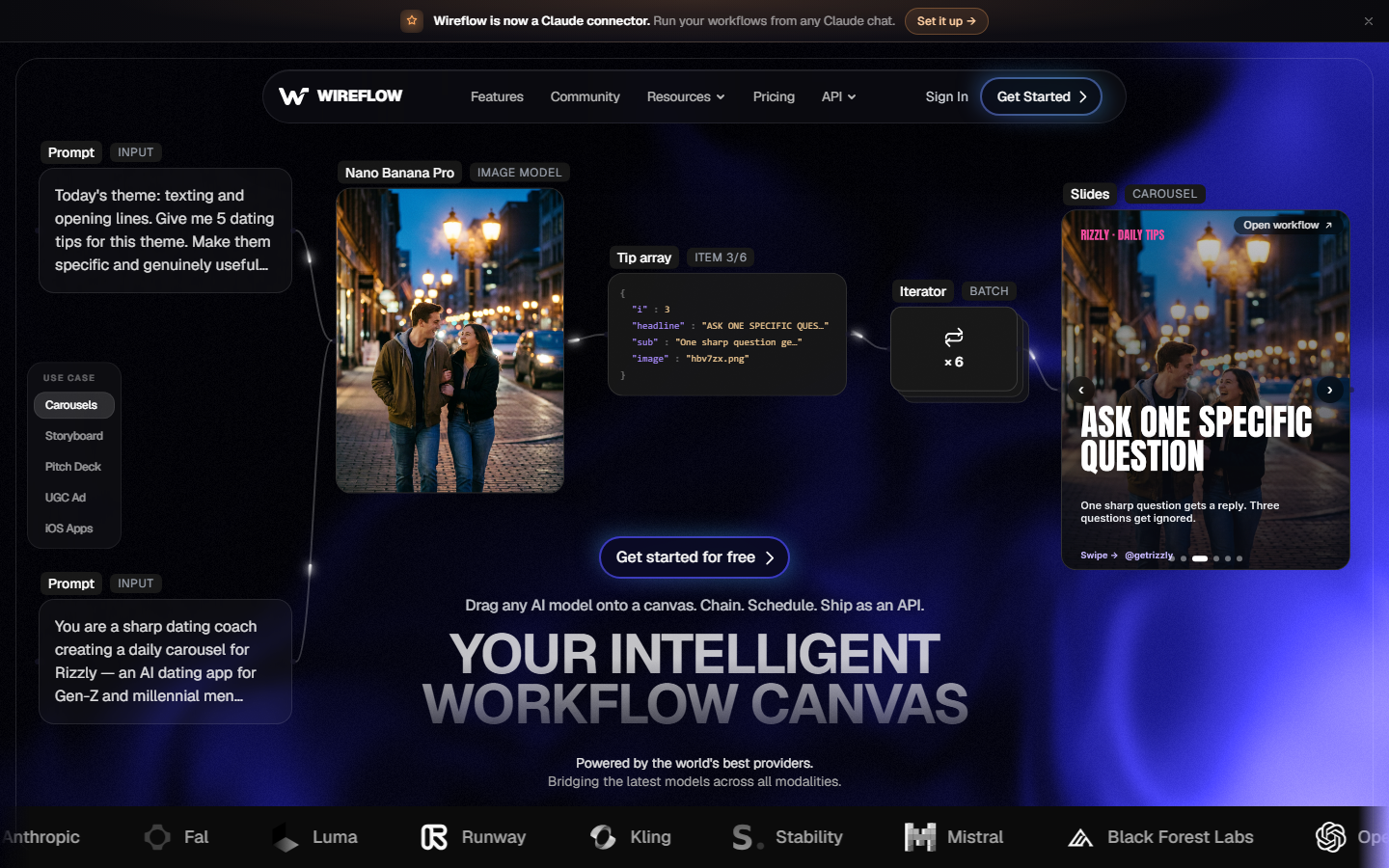
Wireflow is a node canvas for AI media. Instead of one model doing one job, you connect steps: a script node feeds a voice model, the voice drives an avatar or lipsync model, b-roll and product stills arrive as separate branches, and an assembly node cuts the final video. That structure is the real difference from Argil: you can swap any single model without rebuilding the video. For a hands-on look at this applied directly to Argil's use case, see the Argil AI alternative page, which walks through the equivalent avatar pipeline.
The practical wins are variant volume and reuse. One workflow can fan out twenty hook variations against the same avatar body, which is how performance teams actually test creative, and runs are credit-based rather than per-seat, so cost tracks output instead of headcount. The same graph can be triggered from an AI video pipeline or an external automation. The tradeoff is honest: there is no one-click "clone me and post" button, and you spend the first hour building the graph. If you want a single button, Argil or Captions is faster. If you want a repeatable system, this suits UGC creators juggling several client accounts better.
2. HeyGen: best avatar library
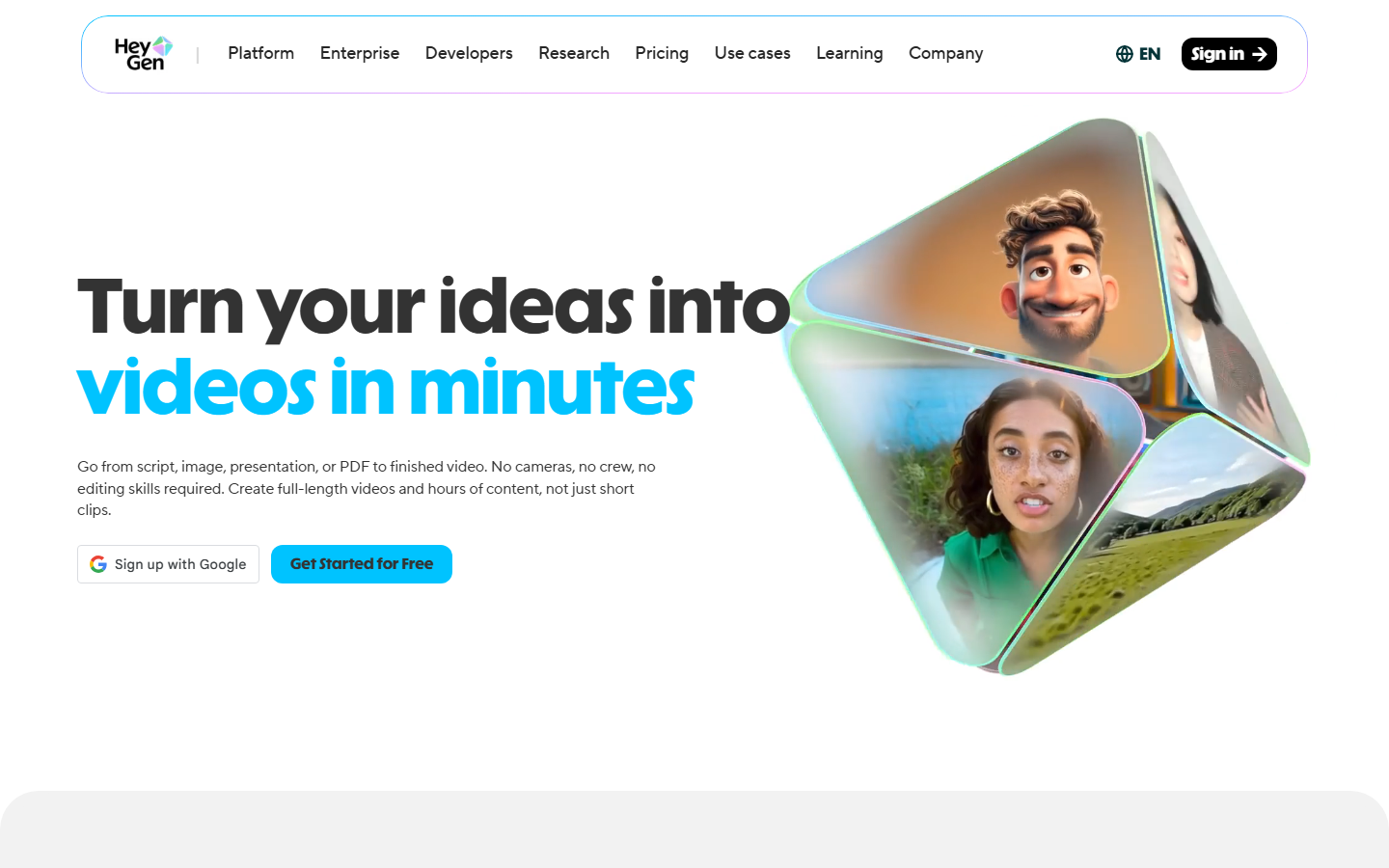
HeyGen is the closest like-for-like upgrade from Argil. It offers several hundred stock avatars alongside custom clones, and its translation and lipsync dubbing is the strongest in this group, which matters if one script needs to ship in eight languages. Interactive avatars, a large template library, and a public API round it out. Pricing climbs quickly once you need long-form minutes and multiple custom avatars, and stock avatars have become recognisable enough that viewers occasionally clock them. Teams comparing the two directly can read the HeyGen alternative breakdown for a feature-level view.
3. Synthesia: best for corporate training
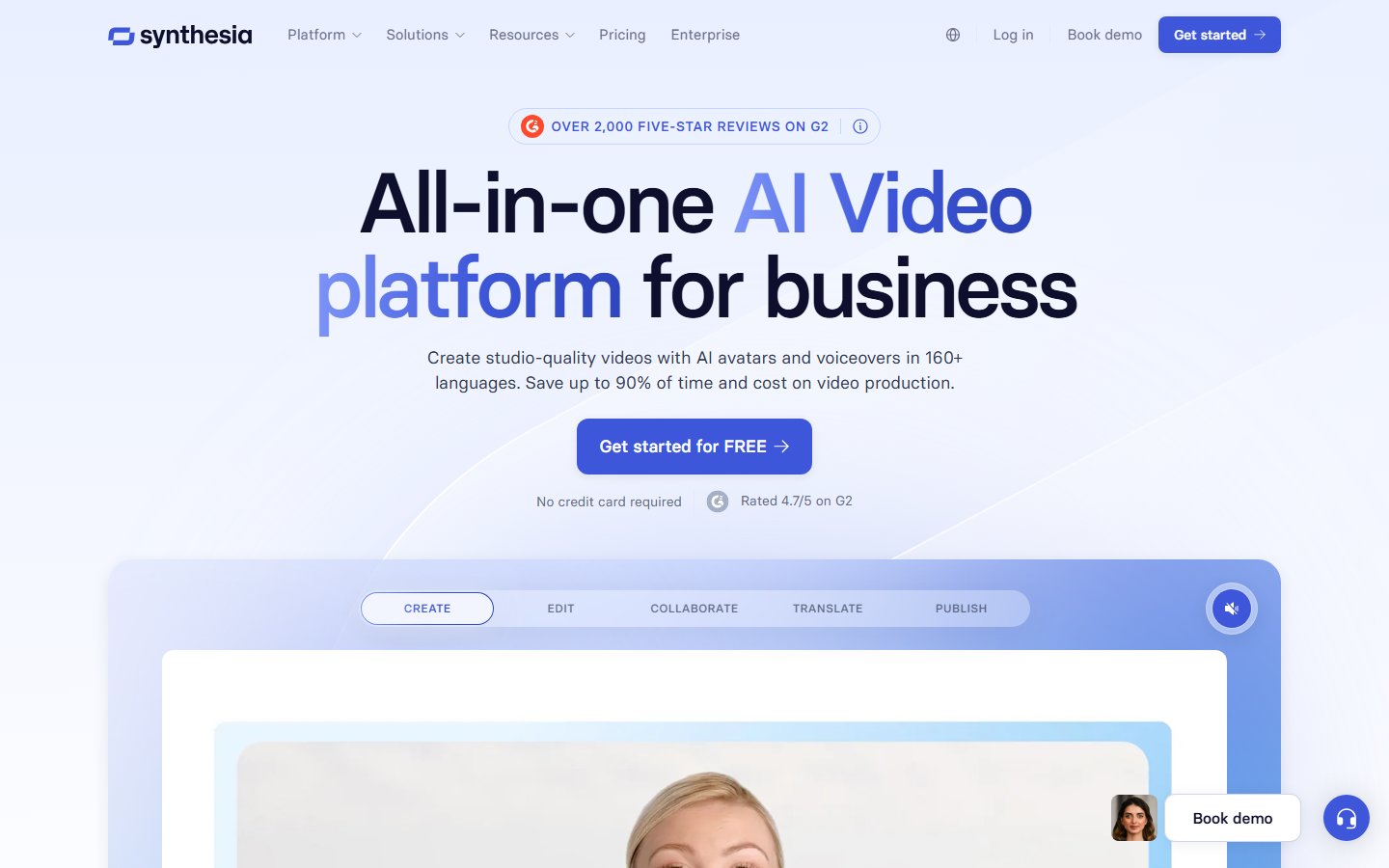
Synthesia is the enterprise pick. It has the governance layer the creator tools lack: brand kits, shared workspaces, reviewer comments, SCORM export for LMS platforms, and a large set of studio-grade avatars. If your videos are onboarding modules, compliance updates, or product training that a legal team has to sign off on, this is a better fit than any social-first tool. It is also the wrong tool for TikTok: output looks corporate, the editor is slide-based rather than timeline-based, and entry pricing assumes a company budget. The Synthesia alternative page covers where a canvas approach differs for teams that need both training and social output.
4. Captions: best mobile app
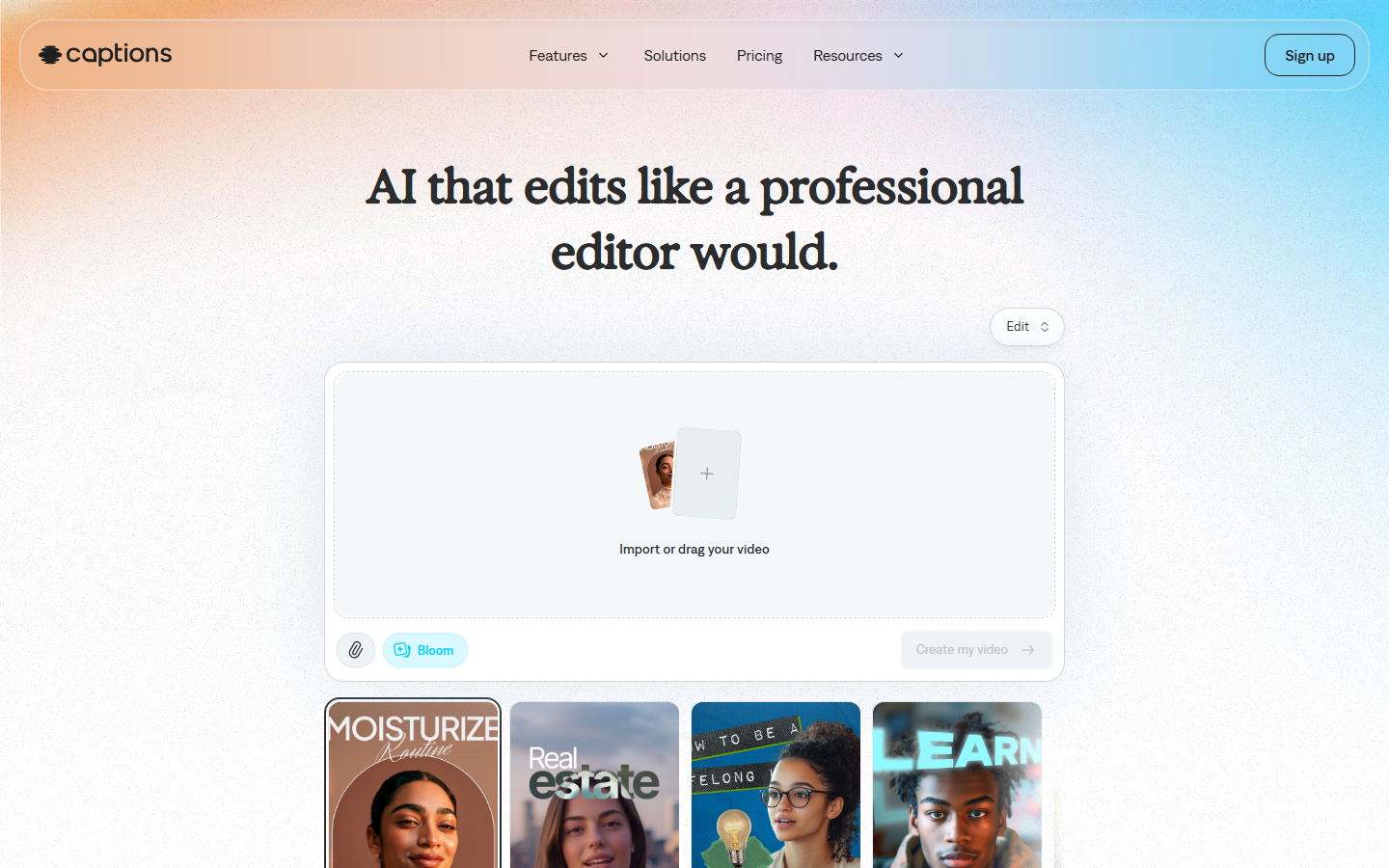
Captions approaches the problem from the phone rather than the browser. It shoots, transcribes, captions, removes filler words, corrects eye contact, and now generates full AI avatar videos too. For a creator who films real footage most days, it is a more natural daily driver than Argil. The ceiling is lower for structured work: no multi-scene project view, exports tuned for vertical social, thin collaboration. Anyone who needs realistic narration separated from the visuals will get further with a dedicated realistic AI voice generator feeding a separate video step.
5. Creatify: best for paid ads
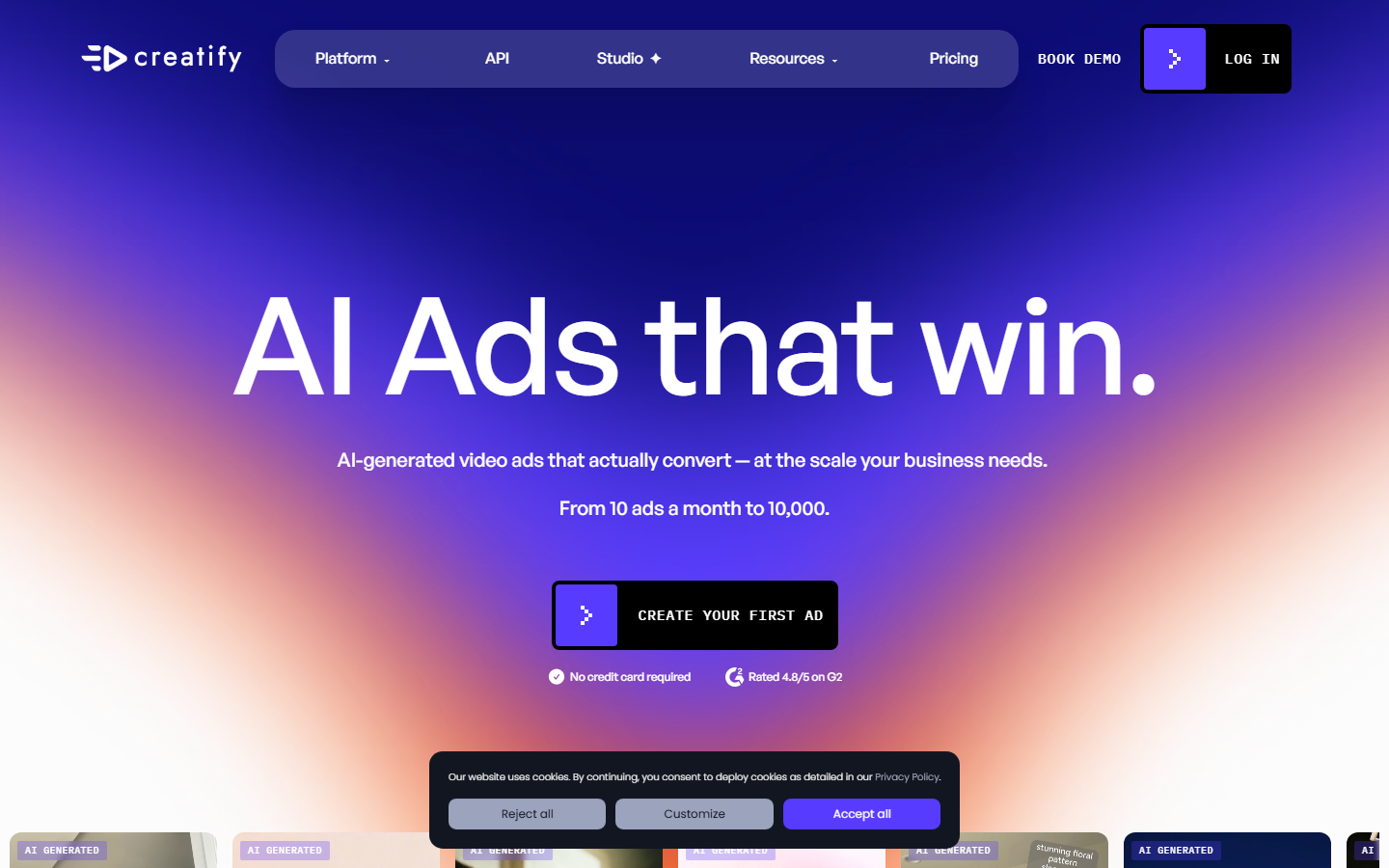
Creatify is built for performance marketing, not personal brand. Paste a product URL and it pulls images and copy, then generates UGC-style ads with a chosen avatar reading a hook, and batch mode produces dozens of variants for testing. The limitation is that everything is shaped around the ad format, so it is awkward for tutorials or long-form, and avatar realism sits a step behind HeyGen. Teams that mainly need variant volume should compare it against a video ad variant generator workflow, which produces the same fan-out without the URL-scraping constraint.
6. D-ID: best API
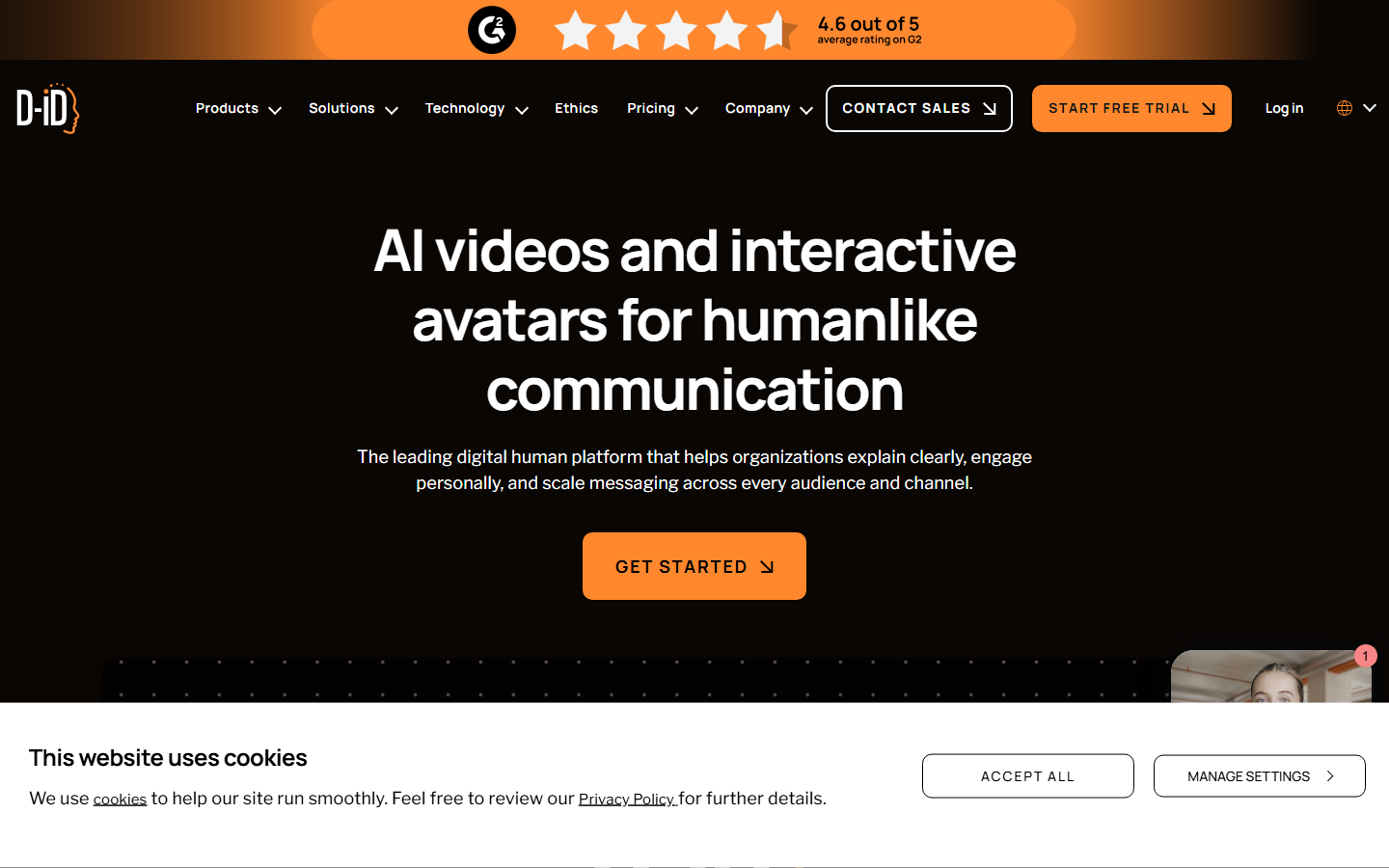
D-ID is the developer option. It animates a still photo into a talking head, supports real-time streaming avatars for support agents and kiosks, and has the most mature documentation here. If you are embedding avatars inside your own product rather than publishing videos, start here. As a content tool it is bare: no timeline, no templates, no captioning, and photo-driven output has less body movement than a video-cloned avatar. The same still-image-to-motion idea is available as a single step in an AI talking photo workflow if you only need it occasionally.
7. Colossyan: best for e-learning
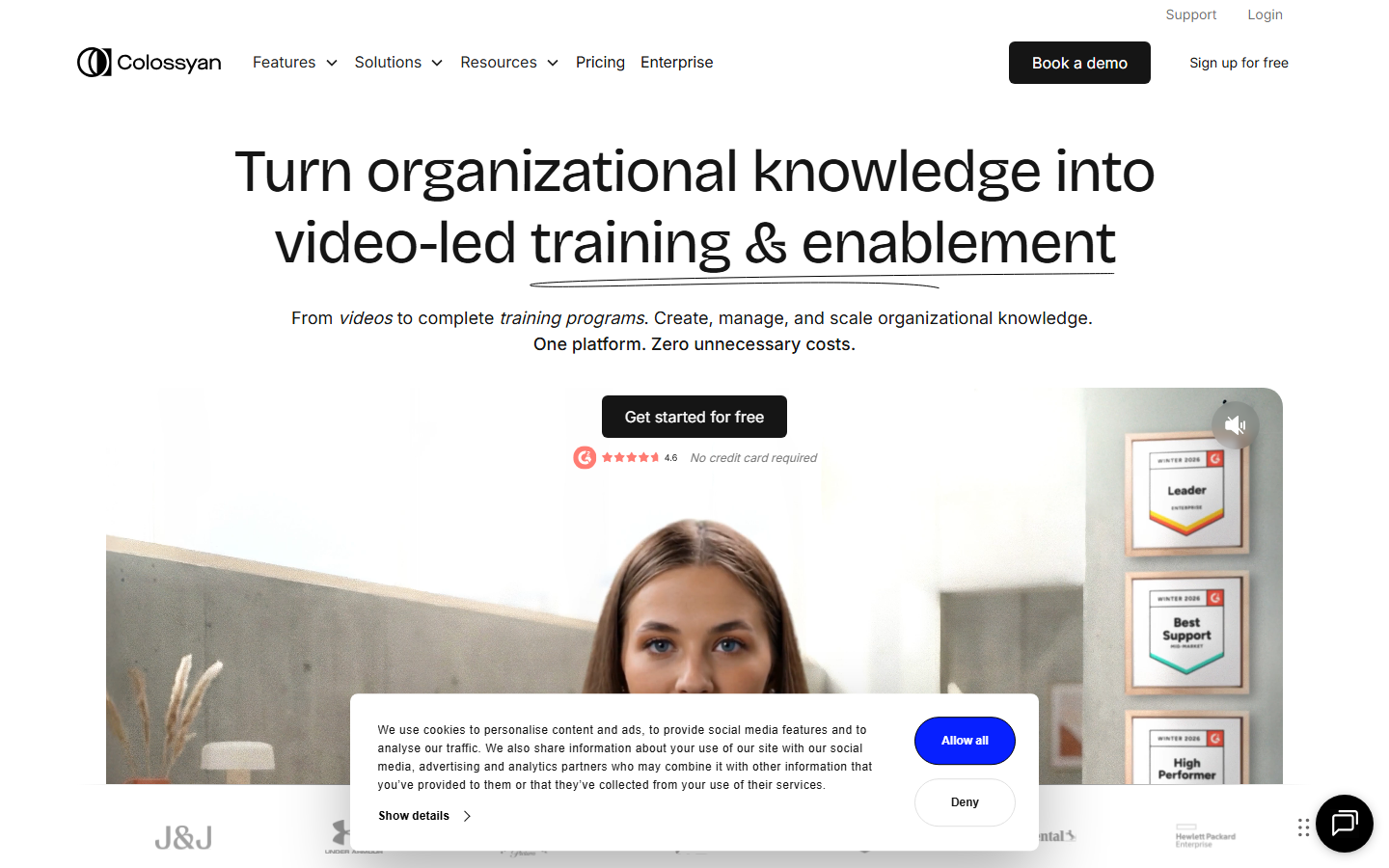
Colossyan specialises in instructional video, and its differentiator is conversation: you can place two or more avatars in one scene and have them talk to each other, which suits role-play and scenario training far better than a single presenter. Document-to-video import, quiz interactions, and translation are included. Outside training it is over-specified, and social-native formats are an afterthought. Teams that also produce marketing video will end up running a second tool, or building both flows in one AI video workflow instead.
8. TopView AI: best for repurposing
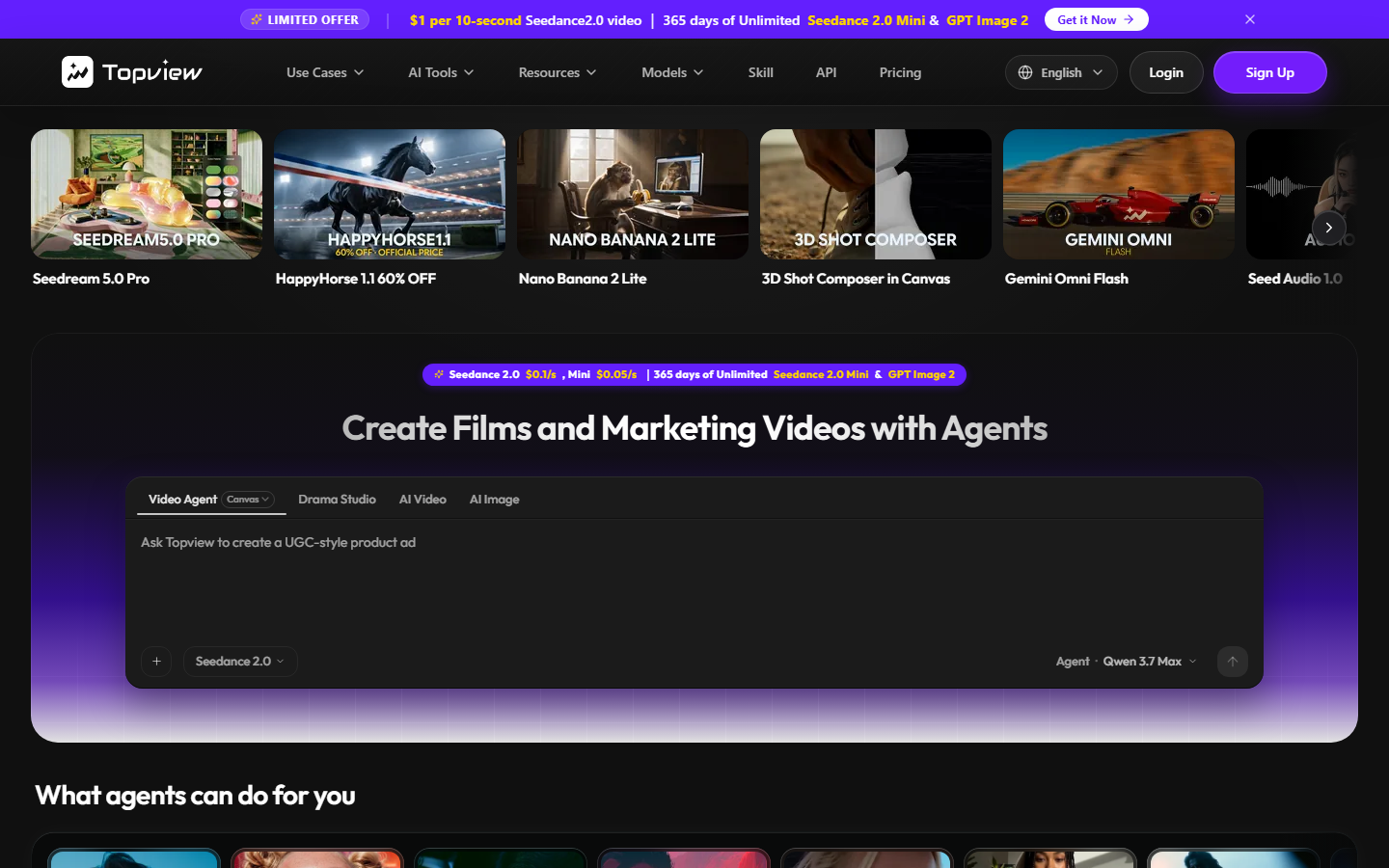
TopView AI solves a different half of the problem. Rather than generating a presenter, it takes footage you already have, a long video, a webinar, a product demo, and cuts it into short vertical clips with captions and hooks. It also has avatar and product-video features, weaker than the clipping engine. Pick it when your bottleneck is a backlog of footage rather than a shortage of on-camera material; the TopView AI alternative comparison covers where its clipping approach stops short.
Comparison table
| Tool | Best for | Custom avatar | API | Batch variants | Starting tier |
|---|---|---|---|---|---|
| Wireflow | Multi-model pipelines | Via chained models | Yes | Yes | Credit-based |
| HeyGen | Avatar range, dubbing | Yes | Yes | Limited | Mid |
| Synthesia | Training and compliance | Yes | Yes | No | Enterprise |
| Captions | Mobile daily posting | Yes | No | No | Low |
| Creatify | Paid social ads | Stock only | Yes | Yes | Mid |
| D-ID | Embedded avatars | Photo-based | Yes | Via API | Low |
| Colossyan | Scenario e-learning | Yes | Limited | No | Mid |
| TopView AI | Clipping existing footage | Yes | No | Yes | Low |
How to choose
Work backwards from the output, not the avatar. If every video is you talking to camera for social, a single-purpose tool wins on speed and Captions or HeyGen beats a canvas. If videos mix a presenter with product shots, screen capture, and generated footage, a pipeline costs less than stitching three subscriptions together, and an AI UGC agent setup runs that assembly on a schedule.
Then check three specifics before paying: how custom avatar training is metered, whether minutes roll over, and whether the API exposes the same models as the UI. Those answers explain most of the surprise bills teams report after moving off Argil, and a published pricing page settles them faster than a sales call.
Try it yourself: the avatar pipeline described above is already wired up, so you can open the pre-built avatar workflow and run it with your own script instead of starting from a blank canvas.
FAQ
Is Argil AI still worth using in 2026? Yes, for its original job. If you are one person posting daily talking-head content and you want the fastest path from script to clip, Argil remains competitive. The reasons to leave are volume pricing, output variety, and automation, not quality.
Which Argil alternative has the most realistic avatars? HeyGen and Synthesia lead on realism, with HeyGen better for social pacing and Synthesia better for measured presentation. Realism also depends heavily on your source recording: lighting and clean audio matter more than the engine.
Can I move my existing avatar clone to another tool? No. Avatar models are not portable, so you re-record and re-train on the new tool. Budget 5 to 10 minutes of footage and a few hours of processing.
What is the cheapest Argil alternative? Captions and D-ID have the lowest entry tiers, though credit-based platforms often work out cheaper at volume because you pay per render rather than per seat. Compare on your actual monthly minute count, not the headline price.
Do any of these tools support dubbing into other languages? HeyGen, Synthesia, and Colossyan all handle translation with matched lipsync. HeyGen currently covers the most languages and handles code-switching in a single script best.
Which option is best if I need an API? D-ID for embedded and real-time avatars, HeyGen for batch generation, and a node-based platform if the avatar step sits inside a larger render graph. A video generation API exposing multiple models behind one endpoint avoids rewriting integrations every time you change model.
Can these tools generate b-roll and product footage as well as avatars? Only partially. Creatify and TopView pull in product media, but none of the avatar-first tools generate arbitrary b-roll. Combining an avatar model with an image or video model in one graph is the usual fix.
Verdict
There is no single best Argil replacement, only a best fit for your output. HeyGen is the safe upgrade for more avatars and languages, Synthesia owns training video, Captions wins on the phone, Creatify and TopView each solve a specific commercial job, and D-ID is the developer's choice. For teams whose videos are assembled from several models rather than generated by one, Wireflow is the more durable option, because the pipeline outlives any individual model you plug into it. Pick the camp first, then trial one tool from it properly rather than five superficially.
Would you rather we just built it?
We get on a call, learn your style, build the workflow, and ship the deliverables on a schedule. You keep the workflow either way.


