Best HeyGen Alternatives in 2026: 7 AI Avatar Video Tools Compared


In this article▾
- Quick Summary
- Why Look Beyond HeyGen
- 1. Wireflow - Best Overall
- 2. Synthesia - Best for Enterprise
- 3. Colossyan - Best for Training Content
- 4. D-ID - Best Budget Pick
- 5. AI Studios (DeepBrain) - Most Realistic Avatars
- 6. Elai.io - Fastest Workflow
- 7. Captions - Best for Creators
- Comparison Table
- How to Choose
- FAQ
- Conclusion
The best HeyGen alternatives in 2026 range from node-based pipelines to enterprise avatar studios, and the right pick depends on whether you need API access, training content, or cheap talking-photo videos. HeyGen is a strong general-purpose avatar platform, but its credit system charges you again every time you re-render an edit, which gets expensive fast when you iterate. Wireflow approaches the same problem differently: instead of one locked-in avatar model, it lets you chain TTS, lip sync, and video models into a single automated pipeline. This guide compares seven alternatives on pricing, output quality, and automation support.
Quick Summary
- Wireflow - Node-based AI video pipelines with API access - Best Overall
- Synthesia - 230+ avatars, enterprise compliance - Best for Enterprise
- Colossyan - Interactive quizzes and multi-avatar scenes - Best for Training
- D-ID - Cheapest entry, photo-to-talking-avatar - Best Budget Pick
- AI Studios (DeepBrain) - High-realism presenter avatars - Most Realistic Avatars
- Elai.io - Fast script-to-video with templates - Fastest Workflow
- Captions - Mobile-first editing with digital twins - Best for Creators
Why Look Beyond HeyGen
HeyGen earned its position as the default avatar tool, but three complaints come up consistently in 2026. First, the credit model: every regeneration costs credits, so a video you tweak five times costs five times as much. Second, the avatar library is broad but generic, and teams producing talking photo videos at volume often want control over which underlying model runs each step. Third, API access sits behind higher tiers, which blocks the automation use cases where avatar video actually saves money.
None of the tools below fixes all three at once, which is why this comparison focuses on fit rather than a single winner. If your bottleneck is automation, start with the pipeline tools; if it is avatar realism for boardroom-facing content, start with the enterprise studios. For a hands-on breakdown of how a pipeline approach replaces HeyGen step by step, see the HeyGen alternative feature page, which walks through the exact node setup.
Build this in Wireflow
Make the same kind of asset on a canvas you control, with a free account and no credit card.
1. Wireflow - Best Overall
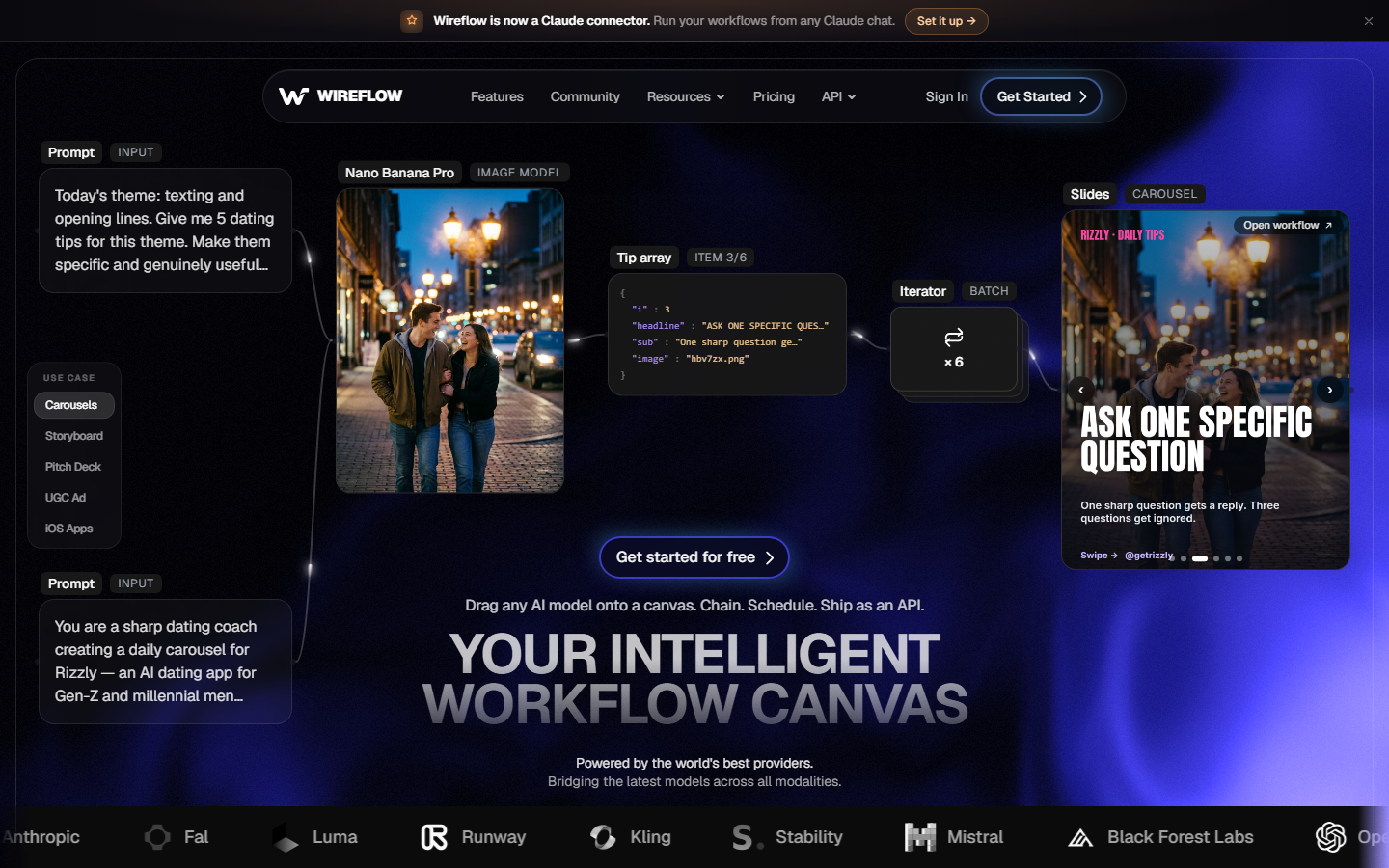
Wireflow is a node-based canvas where you compose avatar videos from interchangeable parts: a script input, a text-to-speech node for the voice, and a lip sync model to animate a photo or presenter image. Because each step is a separate node, you can swap the voice model without touching the video model, or run the whole pipeline headlessly through the API.
The practical difference from HeyGen is iteration cost. A HeyGen re-render consumes credits for the full video; in a pipeline, you only re-run the node you changed. Pairing a cloned voice with a lip sync generator node means a script edit costs one cheap TTS call, not a full regeneration.
The trade-off is that Wireflow does not ship a library of stock studio avatars. You bring a photo, a generated presenter image from an avatar generator, or brand footage. Teams that want a ready-made corporate spokesperson from a dropdown will find Synthesia faster to start with.
Pricing: free tier to build and test; paid plans scale by generation credits with per-node cost control.
Watch it built
In this video, Claude builds that pipeline in Wireflow from one photo: ElevenLabs v4 voices the lines, Kling AI Avatar makes the photo talk, and Sync Lipsync v3 lip-syncs a moving clip made with MiniMax Hailuo 03 Max Turbo.
2. Synthesia - Best for Enterprise
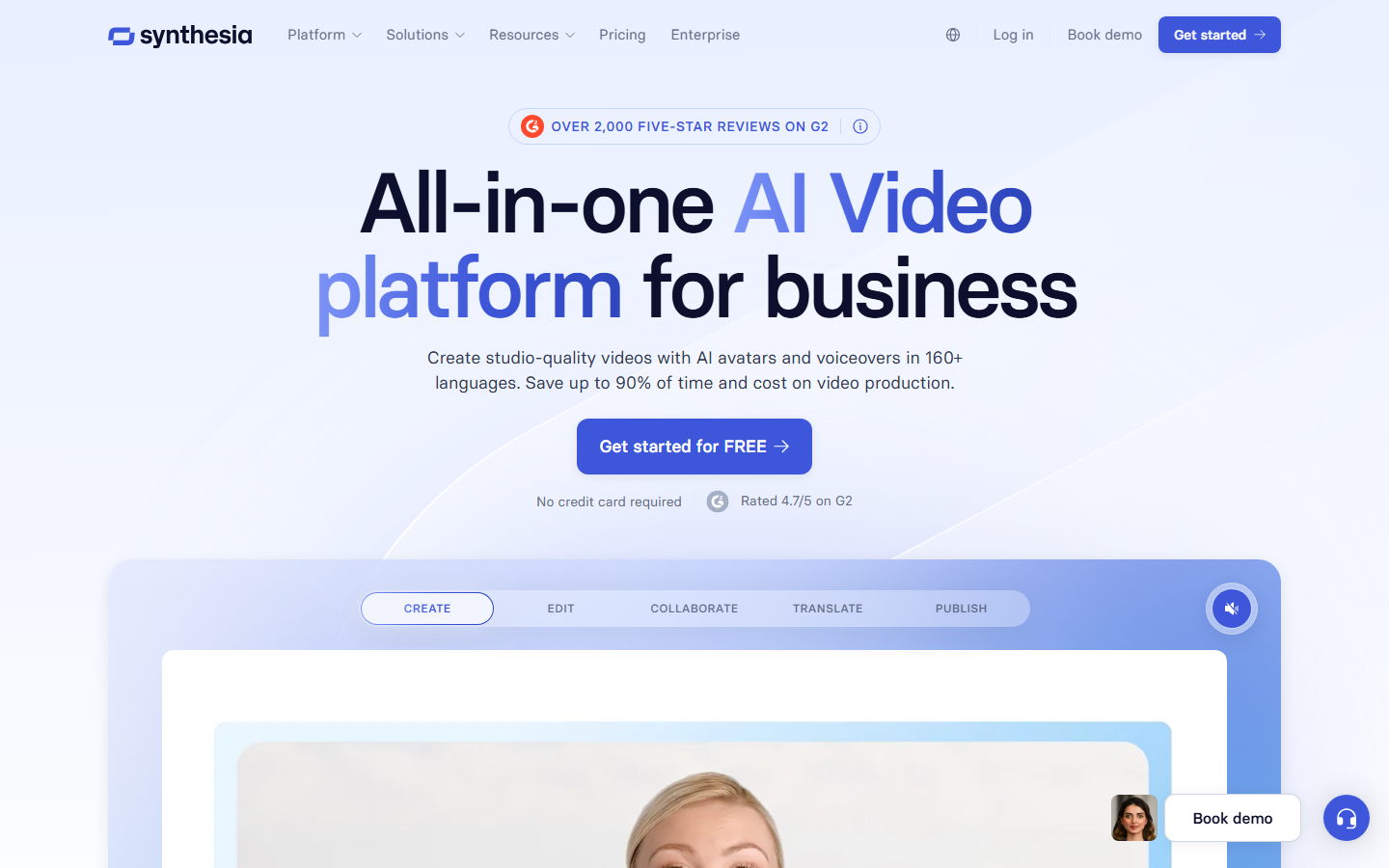
Synthesia is the most established HeyGen competitor, with 230+ stock avatars, 140+ languages, and the compliance posture (SOC 2, ISO 42001) that gets it through enterprise procurement. Video quality for scripted presenter content is consistently strong, and its document-to-video conversion is genuinely useful for internal comms. We covered its own challengers separately in the Synthesia alternatives comparison.
The limitations are cost-shaped. The $29/month Starter plan caps you at 10 minutes of video per month, which one training module can consume. API access is enterprise-only, so automation is off the table unless you are on a custom contract.
Pricing: free plan with 10 min/month (watermarked); Starter from $29/month; enterprise custom.
3. Colossyan - Best for Training Content
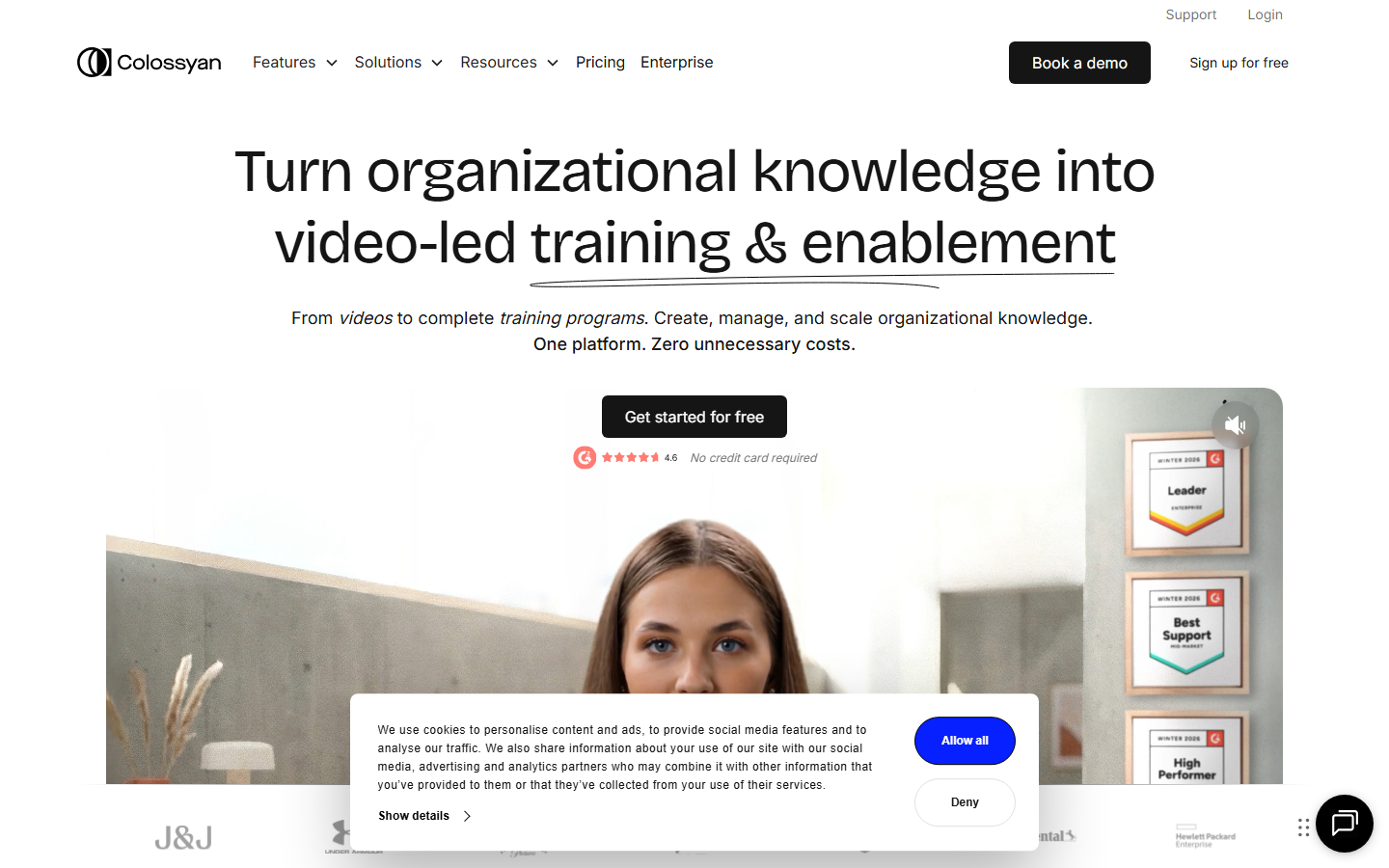
Colossyan is built specifically for learning and development teams. It supports interactive elements like in-video quizzes and branching, multi-avatar conversation scenes, and SCORM export for LMS platforms, features none of the general-purpose tools match. Narration quality holds up well, though teams with strict brand voices often layer in a dedicated AI voiceover generator instead of the built-in voices.
Outside training content, Colossyan is less compelling. Creative flexibility is limited, and marketing or social output tends to look like corporate eLearning. Published pricing has also fluctuated this year, with annual plans marketed between $19 and $29 per month and enterprise pricing behind a demo call.
Pricing: limited free tier; paid from roughly $19-29/month billed annually.
4. D-ID - Best Budget Pick
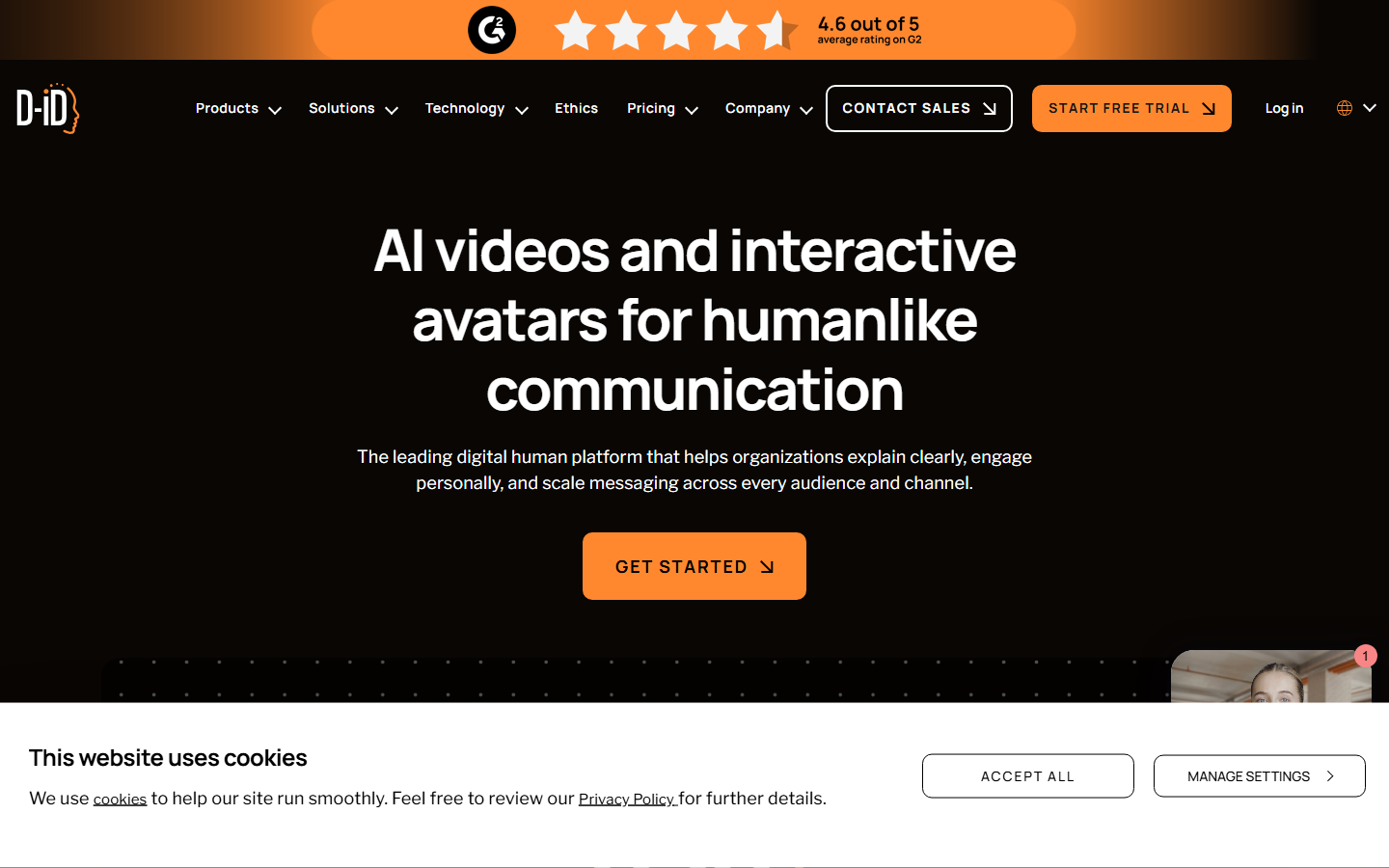
D-ID has the lowest entry price in this list at $5.99/month and specializes in animating still photos into talking avatars. Its API is accessible on standard plans rather than enterprise-only, which made it a common backend for chat-style avatar products. If your use case is talking head videos from a single photo rather than full studio presenters, D-ID covers it for a fraction of HeyGen's price.
The compromise is motion quality. Head movement and lip articulation lag behind HeyGen and Synthesia, especially on longer clips, and developer documentation is thinner than the API-first positioning suggests. Treat it as a budget photo-animation tool, not a full production studio.
Pricing: limited free trial; Lite from $5.99/month; API on standard paid plans.
5. AI Studios (DeepBrain) - Most Realistic Avatars
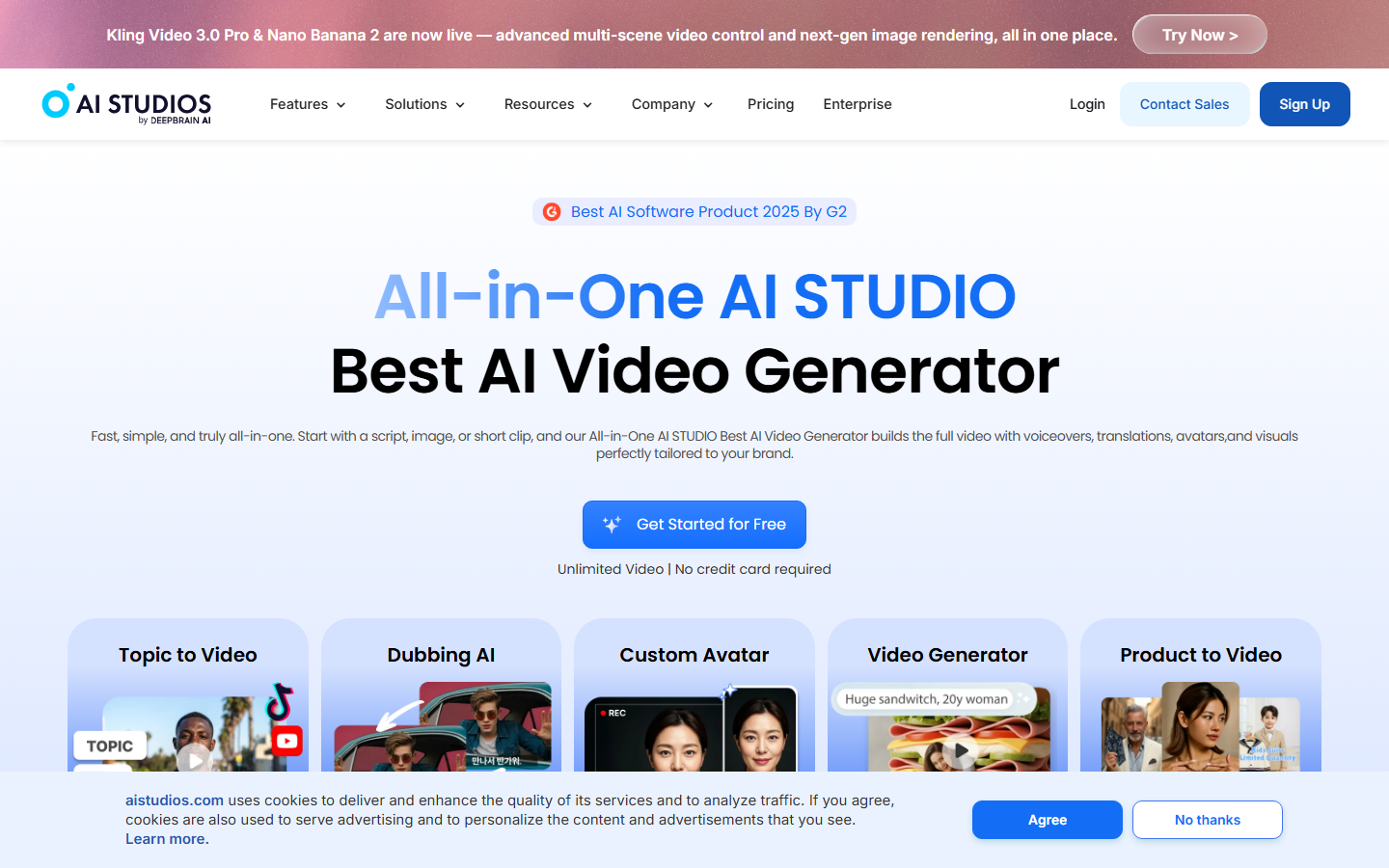
AI Studios by DeepBrain competes on avatar realism. Its presenter avatars show natural micro-movements and lip precision that hold up at full screen, which matters for customer-facing video where uncanny motion undermines trust. Pairing that realism with one of the most realistic AI voice generators produces some of the most convincing presenter video available in 2026.
Cost is the catch. There is no free tier, entry pricing is around $29/month, and the mid-tier jumps to roughly $225/month, with users reporting slow render queues at peak times. It is a quality-first choice for teams that publish less often but need every video to look premium.
Pricing: no free tier; from ~$29/month; mid-tier ~$225/month.
6. Elai.io - Fastest Workflow
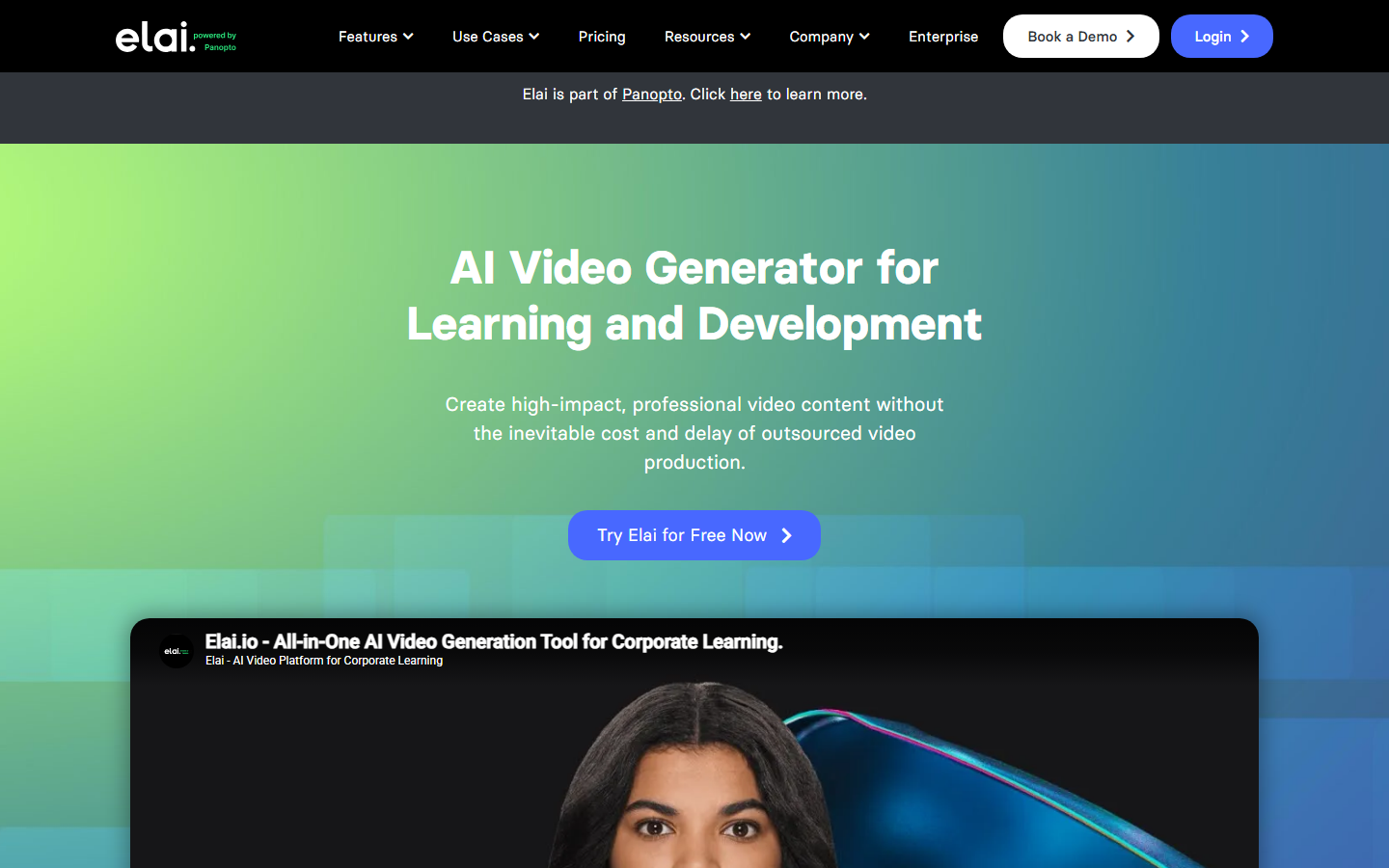
Elai.io optimizes for speed from script to finished video. Paste text or a blog URL, pick a template and avatar, and a rendered video comes back in minutes with no timeline editing required. Output is clean and unbranded on paid plans, a real advantage over tools that reserve watermark-free video for expensive tiers.
The avatar library is smaller than HeyGen's or Synthesia's, and API access only unlocks on higher plans, so Elai works best as a fast manual tool rather than an automation backend. For quick product updates and social explainers, the speed is hard to beat.
Pricing: limited free plan; Creator from $29/month (about $23/month annual).
7. Captions - Best for Creators
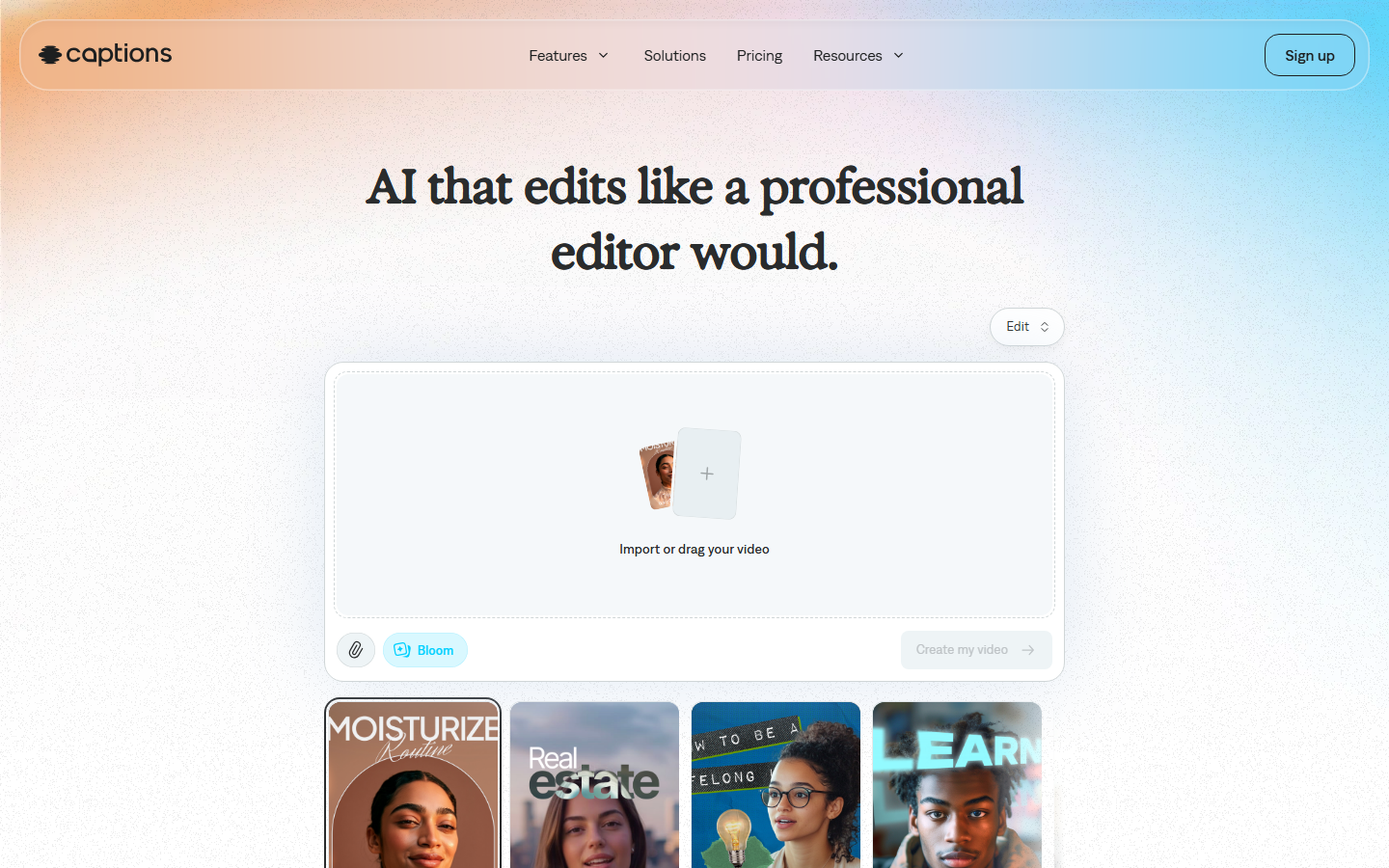
Captions comes at avatar video from the creator side: mobile-first editing, automatic subtitles, AI eye-contact correction, and "digital twin" avatars trained on your own footage. For solo creators producing vertical content, the twin feature plus voice cloning gets you a personal avatar pipeline without enterprise pricing. None of the top-ranking comparison pages even cover it, which makes it an underrated pick.
Know the plan structure before buying: the $9.99/month Pro plan covers editing but not generative video, which requires the $24.99/month Max plan. Desktop and team workflows are also secondary to the mobile app.
Pricing: free editing tier; Pro $9.99/month; AI video generation on Max at $24.99/month.
Comparison Table
| Tool | Starting price | Free tier | API access | Best for |
|---|---|---|---|---|
| Wireflow | Free to start | Yes | Yes, all plans | Automated avatar pipelines |
| Synthesia | $29/mo | 10 min/mo | Enterprise only | Corporate video at scale |
| Colossyan | ~$19-29/mo | Limited | Higher tiers | L&D and training |
| D-ID | $5.99/mo | Trial | Standard plans | Budget photo animation |
| AI Studios | ~$29/mo | No | Yes | Maximum avatar realism |
| Elai.io | $29/mo | Limited | Higher tiers | Fast template video |
| Captions | $9.99/mo | Yes | No | Mobile creators |
How to Choose
Start from the job, not the feature list. If you produce compliance and training modules, Colossyan's interactive features outweigh a bigger avatar library. If videos must survive executive review, pay for AI Studios or Synthesia realism. If you are animating one photo on a budget, D-ID at $5.99 is the honest answer, and if you want the full video generation stack behind an API so avatar video becomes a step inside a larger automation, a pipeline tool beats every single-model studio.
Volume changes the math too. At one or two videos a month, per-seat studio pricing is fine. At fifty localized variants a week, credit multipliers and re-render fees dominate, and node-based generation where you only re-run the changed step is the difference between a workable budget and an unworkable one.
Try it yourself: open the HeyGen-alternative talking photo pipeline in Wireflow - the script-to-speech-to-lip-sync nodes are pre-configured with the exact setup discussed above.
FAQ
What is the best HeyGen alternative in 2026?
It depends on the job. Wireflow is the strongest pick for automated, API-driven avatar pipelines; Synthesia leads for enterprise compliance and avatar variety; D-ID is the best budget option at $5.99/month.
Is there a free HeyGen alternative?
Several tools have free tiers: Synthesia offers 10 watermarked minutes per month, Elai.io and Colossyan have limited free plans, and Captions has a free editing tier. Fully free unlimited avatar video does not exist in 2026; rendering costs make it uneconomical.
Which HeyGen alternative has the best API?
D-ID offers API access on standard paid plans, and pipeline platforms like Wireflow expose every node through an API by design. Synthesia's API is enterprise-only, and Captions has no public generation API.
Which alternative has the most realistic avatars?
AI Studios by DeepBrain currently produces the most natural presenter motion, with Synthesia close behind for scripted corporate content. Budget tools like D-ID trade realism for price.
Can I clone my own voice and face with these tools?
Yes. Captions builds "digital twins" from your own footage, HeyGen and Synthesia offer custom avatars on paid tiers, and pipeline tools let you combine a voice clone with a lip sync model on any photo you own. Always use your own likeness or obtain written consent.
Why is HeyGen so expensive at scale?
HeyGen charges credits per render, including re-renders after small edits. Ten revisions of one video can cost ten videos' worth of credits. Alternatives with per-step pricing or unlimited-render plans get cheaper as volume grows.
Are AI avatar videos good for SEO and marketing?
Yes, when used for genuine content like tutorials, product explainers, and localized landing-page videos. Search engines do not penalize AI-generated video; low-effort duplicated content is the risk, not the production method.
Do these tools support languages other than English?
All seven support multilingual output. Synthesia covers 140+ languages, Colossyan and Elai each support 75+, and pipeline tools inherit whatever languages the TTS model you select supports.
Conclusion
HeyGen remains a capable default, but in 2026 the field has specialized: Synthesia and AI Studios own the enterprise presenter niche, Colossyan owns training, D-ID owns budget photo animation, and Captions owns mobile creators. If your avatar videos need to run inside a larger automated process rather than a manual editor, Wireflow's node-based approach is the alternative built for that, and the pre-configured pipeline linked above is a five-minute way to test whether it fits your stack.

Co-Founder & Operations at Wireflow
Runs client operations and content strategy at Wireflow. Works directly with creative teams and agencies to build production AI workflows.
- Content Strategy
- Client Operations
Make AI videos and ads.
Start free, no card needed.