 Andrew Adams · Co-Founder & Operations at Wireflow ·
 Argil AI Alternative
Argil is a polished studio for cloning your face into talking-head clips.
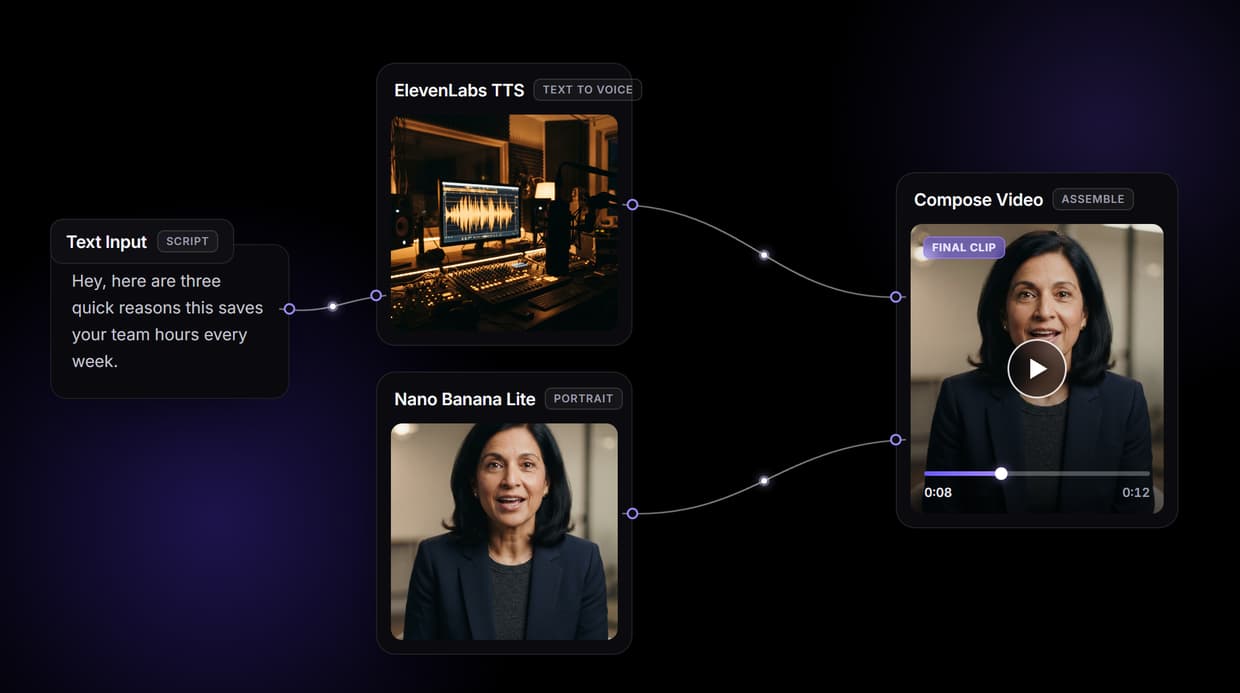
Wireflow is the open node canvas where you build the avatar pipeline yourself: Text Input feeds ElevenLabs TTS for the voice, Nano Banana Lite renders the portrait, and both feed Compose Video, all callable as one REST endpoint.
Free to build · no credit card · See how it works ↓
How to Use Argil AI Alternative
Steps to get you started in Wireflow.
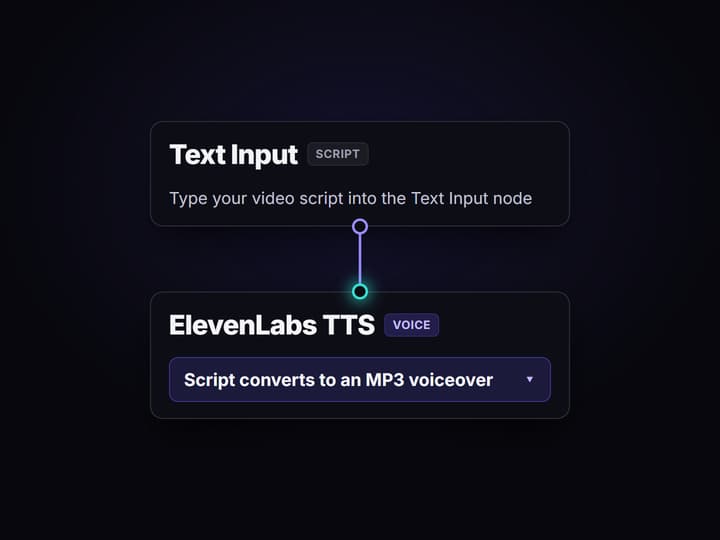
Type the script and generate the voice
Open the flow and type your script into the Text Input node. The ElevenLabs TTS node reads it and returns a voiced MP3 in seconds, so you approve the audio before spending on the portrait or the clip.
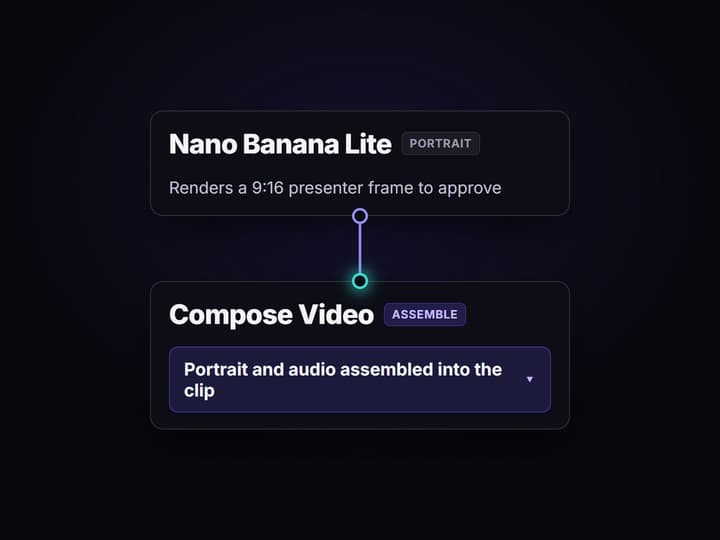
Render the presenter portrait with Nano Banana Lite
The Nano Banana Lite node renders a 9:16 presenter frame from a short image prompt. Approve the look here before animating, the same pattern behind any solid <a href="https://www.wireflow.ai/ai-talking-photo">AI talking photo</a> pipeline.
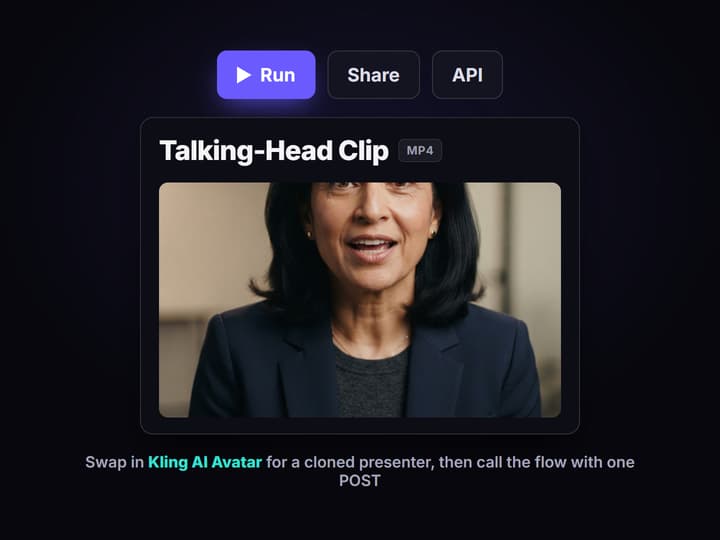
Assemble the clip, swap in a cloned avatar optionally
Compose Video assembles the Nano Banana Lite portrait and the ElevenLabs audio into the final 9:16 clip. For a real cloned avatar or mouth-accurate motion, swap in HeyGen Avatar4, Kling AI Avatar, or Sync Lipsync v3 before Compose Video, then call the flow from code with one POST.
Why builders look for an Argil AI alternative
Argil earned its niche: record a two-minute clip, train a personal clone, type a script, and get a vertical talking-head video back. For a solo creator who wants their own face reading UGC scripts with no interest in building the stack, that is a genuinely good product, and this page will not pretend otherwise.
Builders go looking for an alternative when one of three things happens. They want to POST a script to their own pipeline and get a clip back, not click through a dashboard. They want to swap the voice or avatar model when a better one ships without rebuilding an integration. Or they need the avatar step wired into a bigger repeatable pipeline: portrait, voiceover, assembly, captions, and batch output from a list of scripts. That is the job Wireflow does, on a node canvas where every hop is visible and swappable, then callable as one AI video generator endpoint.
What the Wireflow avatar pipeline covers
Text Input node
One node holds the script. Change the words and rerun; the rest of the graph stays in place.
ElevenLabs TTS
Turns the script into a voiced MP3 inside the graph, with a Custom Voice node available to clone your own.
Nano Banana Lite portrait
Renders a 9:16 presenter frame from a short image prompt; approve the look before animating.
Avatar nodes (optional swap)
HeyGen Avatar4 or Kling AI Avatar wire in for a real cloned presenter; add Sync Lipsync v3 for mouth-accurate motion.
Compose Video assembly
Assembles the portrait frame, audio, and any b-roll into the finished 9:16 clip in one node.
REST endpoint and MCP tool
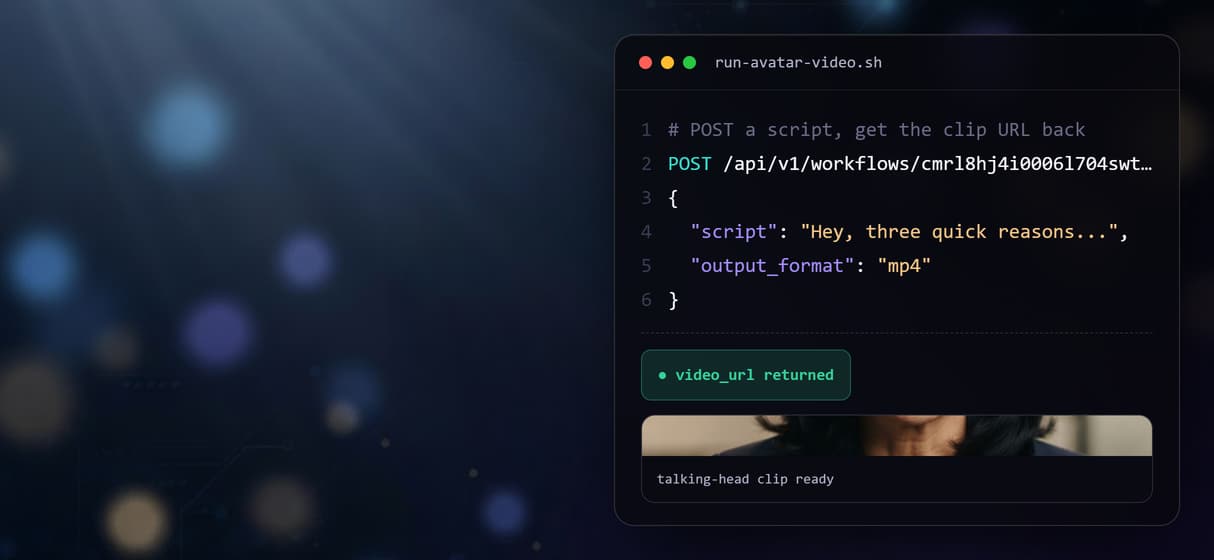
Publish the flow and it answers POST calls with typed inputs and an asset URL back, or loops over a CSV.
How the graph actually runs
The workflow behind this page has three wired model nodes and one sticky note.
- Text Input holds the script. The script feeds the ElevenLabs TTS node directly, so the voice matches the words without a copy-paste step. Swap in the Custom Voice node to speak in your own cloned voice.
- Nano Banana Lite renders the portrait. A short image prompt produces a 9:16 presenter frame you can approve before spending on animation. The node runs on hosted compute in the browser, so no GPU is needed.
- Compose Video assembles the clip. The Compose Video node takes the Nano Banana Lite portrait and the ElevenLabs audio and produces the final deliverable. For a real cloned avatar or frame-accurate mouth motion, wire HeyGen Avatar4, Kling AI Avatar, or Sync Lipsync v3 in as an optional swap before Compose Video.
Because the graph lives among 80 plus hosted model nodes, extending it is a node drop: add a Topaz upscaler after Compose Video for a higher resolution export, or loop the whole graph over a CSV of scripts to batch a week of UGC in one AI video pipeline run.
When Argil is still the right call
Argil is the better tool when a solo creator wants their own face cloned fast and turned into UGC clips from a script, with no interest in touching a node canvas. Its two-minute training clip, personal clone, and one-click creator flow are built around exactly that job. Wireflow does not offer a dedicated train-my-face-in-two-minutes clone; that is Argil's lane.
Wireflow earns its place on three specific jobs: you want to POST a script and get a clip back from a pipeline you control; you want to swap the voice or avatar model when a better one ships without rebuilding an integration; or you need portrait generation, voiceover, and branded assembly as one reproducible call you can batch over a CSV. If those are your constraints, the flow above is the smallest honest start. Pair it with the AI avatar generator page for the narrower portrait-to-presenter case.
More Than Just Argil AI Alternative
A pipeline you design, not a studio you rent
Every step sits on an open canvas: TTS voice, portrait frame, and Compose Video assembly in one graph, with cloned-avatar motion as an optional swap.
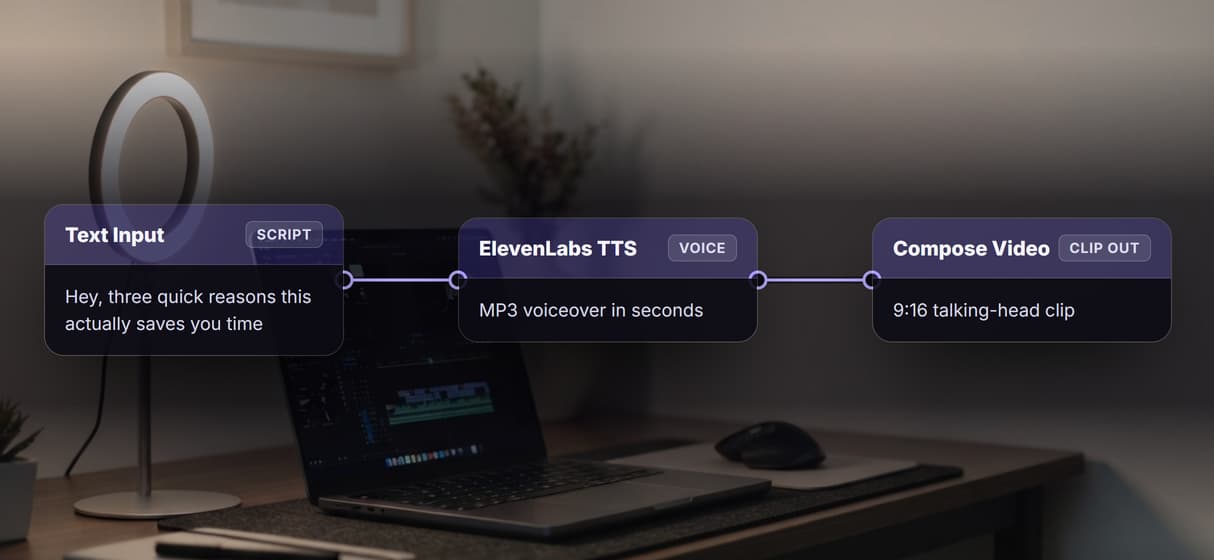
ElevenLabs TTS voice baked into the graph
The voice node turns your script into a clean MP3 inside the graph. Swap in ElevenLabs Custom Voice to speak every clip in your own cloned voice.
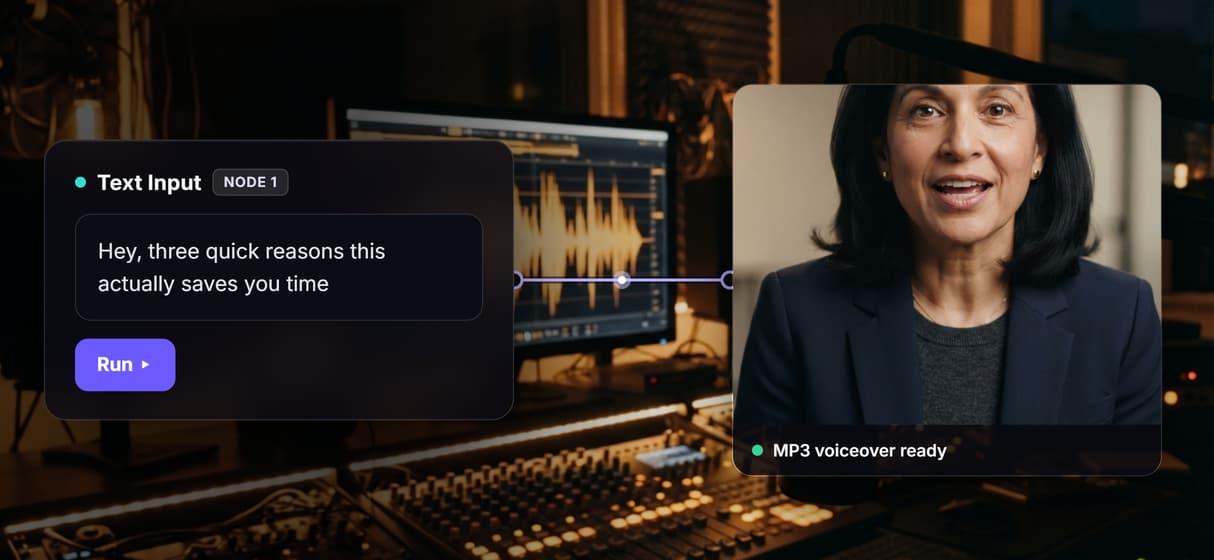
Real cloned avatar as an optional swap
HeyGen Avatar4, Kling AI Avatar, and Sync Lipsync v3 are optional swap-ins before Compose Video for a real cloned presenter or mouth-accurate motion.
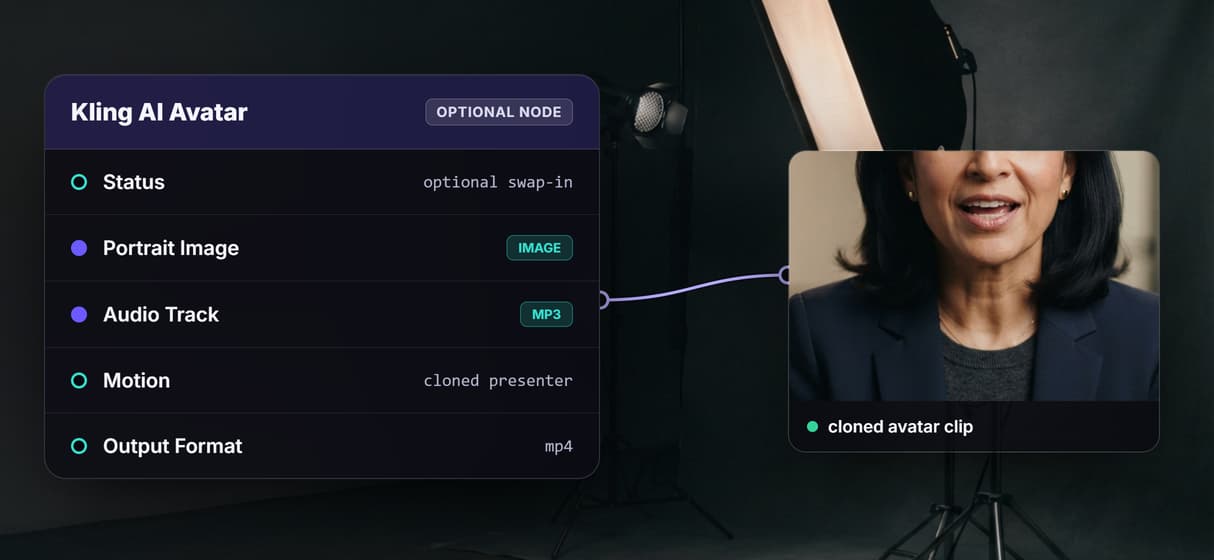
Model freedom: swap nodes as better ones ship
On this canvas swap any voice, image, or avatar node when a stronger model ships. Your published avatar video endpoint URL stays exactly where it was.
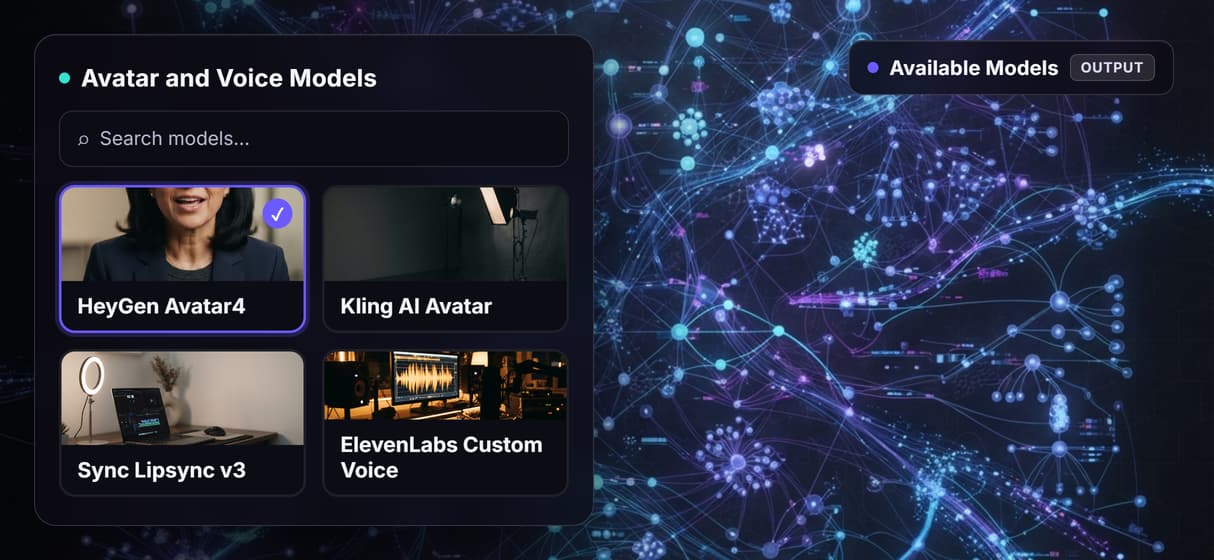
One REST call, or a whole CSV of scripts
Publish the flow and POST a script to get the clip URL back, or loop the graph over a CSV to batch many UGC variants. Building is free, pay per run.
Argil alternative Workflows
No Code Required
API & Batch Processing
FAQs
It depends on what you want to keep. If your only need is a fast personal clone from a two-minute training clip, Argil does that narrowly and well. For an avatar pipeline you design and call from code, Wireflow replaces the clone studio with a node canvas: TTS voice, portrait frame, and Compose Video assembly, published as one REST endpoint.
Discover related AI tools
- AI Video Generator: 12 Video Models, One Canvas (2026) | Wireflow
- TapNow AI Alternative
- Opencreator AI Alternative
- AI Video Workflow
- AI UGC Workflow
- Faceless AI Video Generator
- Text to Video
- Text to Video AI
- Happy Horse 1.0
- Free AI Video Generator Online
- Best AI Video Generators 2026
- Video Maker: One Prompt to a Finished Clip on a Canvas
More From Wireflow
Written by
Andrew Adams · Co-Founder & Operations at Wireflow
Runs client operations and content strategy at Wireflow. Works directly with creative teams and agencies to build production AI workflows.
Build your own avatar video pipeline
Open the flow: type a script, generate the voice with ElevenLabs TTS, render the portrait with Nano Banana Lite, and assemble the clip. Building is free; you pay per generation, not per clone seat.