Marketing agencies in 2026 are not short of AI tools; they are short of AI tools that survive contact with ten client accounts, three approval rounds, and a monthly reporting deadline. This ranking covers eight AI solutions that hold up under agency workloads, starting with Wireflow, a node canvas where you chain several AI models into one repeatable production pipeline instead of paying for eight single-purpose subscriptions. Each pick below is judged on multi-client handling, output volume, pricing at agency scale, and how much manual work it actually removes.
The 8 picks at a glance
- Wireflow: chain multiple AI models on one canvas. Best overall for agencies.
- Jasper: brand-voice copy across many client accounts. Best for copywriting at scale.
- HubSpot Breeze: AI layered on CRM, email, and reporting. Best for client marketing operations.
- AdCreative.ai: ad variants with predicted performance scores. Best for paid social creative.
- Canva Magic Studio: design and resizing for non-designers. Best for fast client-facing design.
- Creatify: AI avatar and UGC-style video ads. Best for UGC video volume.
- Zapier: connective automation between the rest of the stack. Best for workflow glue.
- Surfer SEO: on-page optimization and content briefs. Best for organic search delivery.
How this list was ranked
Ranking criteria were weighted toward the problems agencies actually report: per-client separation, output volume without a proportional headcount increase, exportable assets, and predictable billing. Tools that only work well for a single brand were excluded, which is why several popular consumer AI apps did not make the cut. Wireflow's agency use case page is a useful reference point for what multi-client AI production looks like in practice, and the same lens was applied to every tool here.

1. Wireflow: best overall for agencies
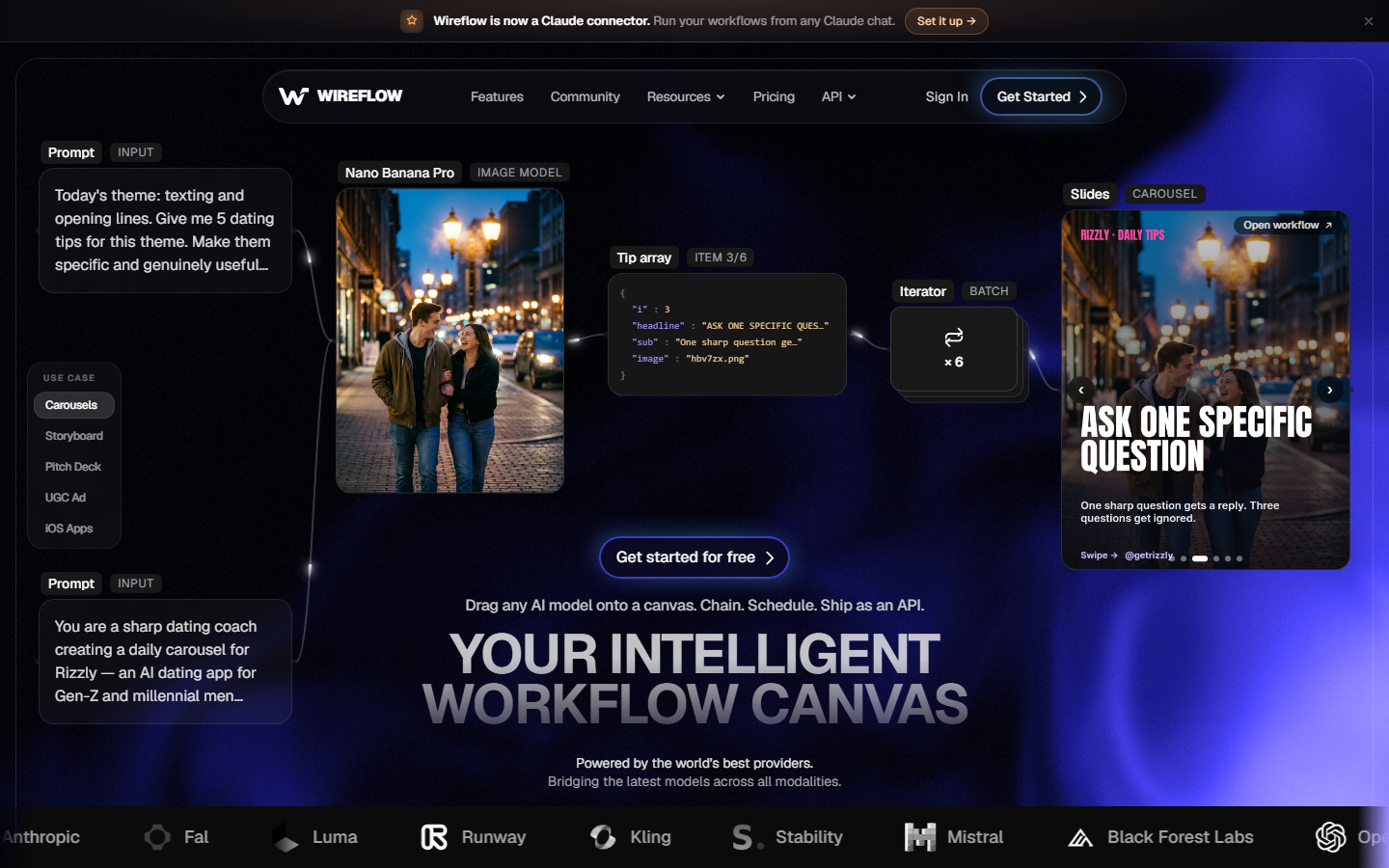
Wireflow is a node-based canvas where text, image, and video models connect into a single pipeline you build once and rerun for every client. An agency can wire a brief node into a copy model, feed the approved line into an image model, then push the result into a video node, which replaces the usual routine of copying outputs between four browser tabs. The practical value for agencies is repeatability: the canvas becomes a template, so a campaign that took a strategist a day to assemble becomes a same-afternoon job for a junior. Model access is consolidated, so you are not tracking eight separate vendor invoices, and outputs stay exportable rather than trapped inside a proprietary editor. The guide to building multi-model AI workflows walks through how a chain like this is assembled node by node.
Verdict: the strongest option when your bottleneck is production volume across many accounts rather than one specific creative task.
2. Jasper: best for copywriting at scale
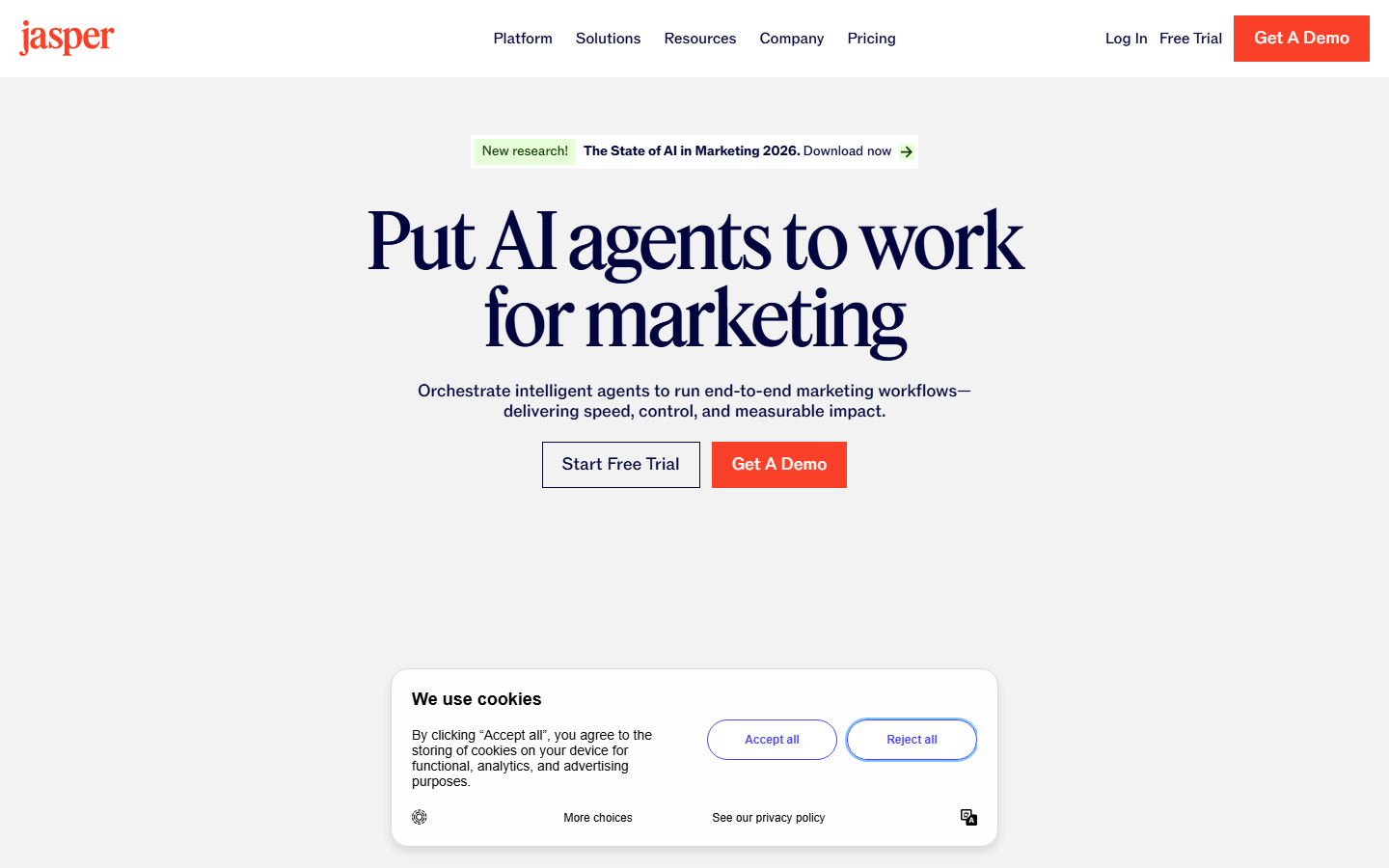
Jasper is built around brand voice profiles, which is the feature that matters when one writer covers six clients with six different tones. You upload style guides and past copy per brand, and Jasper keeps outputs inside those constraints for blog drafts, ad copy, and email sequences. Campaign features let a team spin a single brief into a full multi-channel set, and the knowledge base keeps product facts consistent across writers. It is a copy tool rather than a production system, so pair it with something that handles the visual side, such as an AI brand content generator for the assets that accompany the words.
Verdict: best when written volume is the constraint and brand consistency across accounts is non-negotiable.
3. HubSpot Breeze: best for client marketing operations
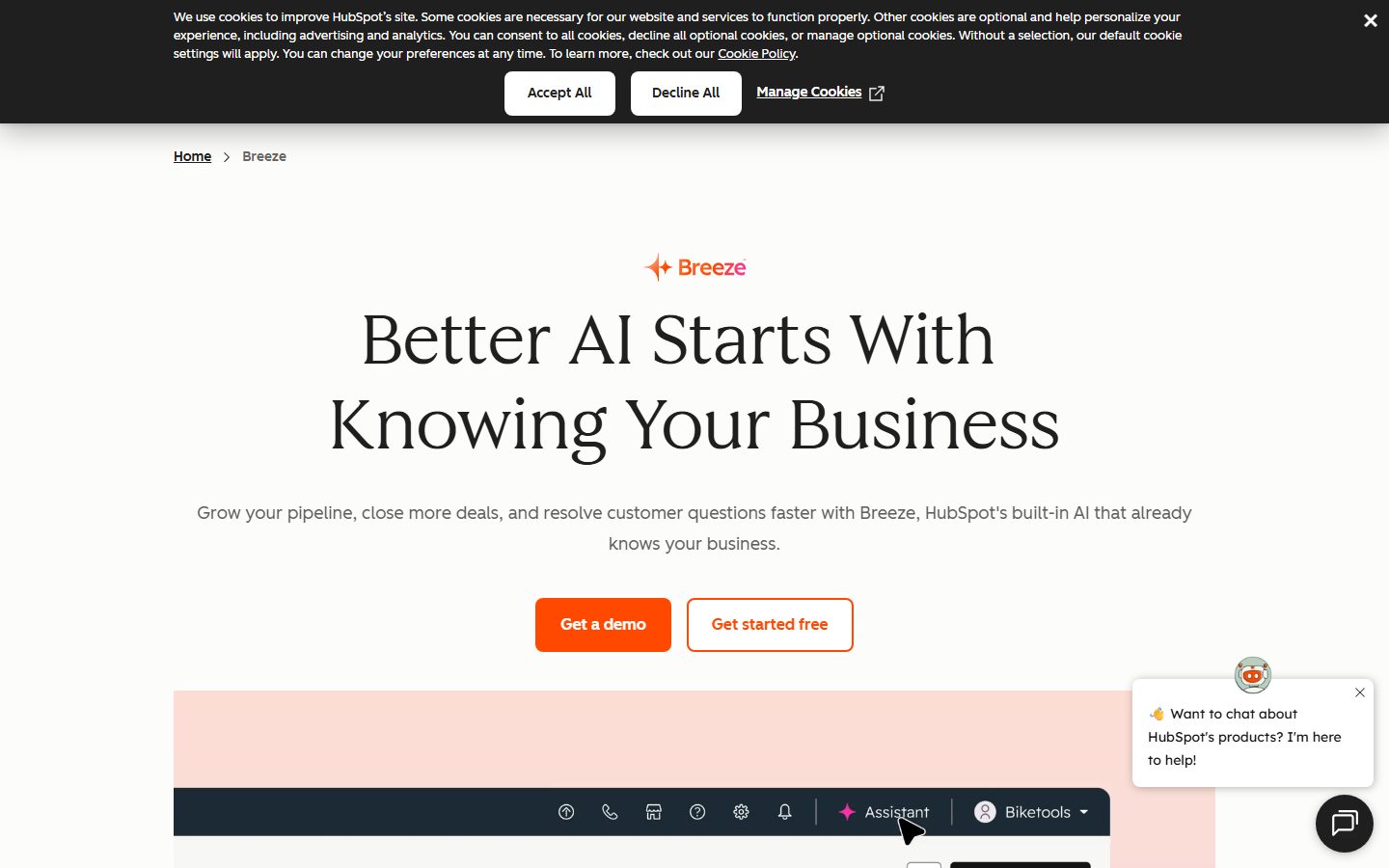
HubSpot matters to agencies less for its content generation and more for where that generation sits: directly on top of the CRM, email tooling, and reporting a client already uses. Breeze agents draft campaign emails, score leads, and summarize account activity without exporting data anywhere. For agencies on retainer, the reporting side alone can justify the seat, since monthly performance decks assemble from live pipeline data instead of manual spreadsheet work. The cost climbs quickly once you add contacts and seats, so it fits agencies that run client marketing operations end to end rather than those delivering creative only. Teams looking at the automation layer more broadly can compare it against agentic marketing workflows before committing to a platform.
Verdict: best when you own the client's whole funnel, not just the creative.
4. AdCreative.ai: best for paid social creative
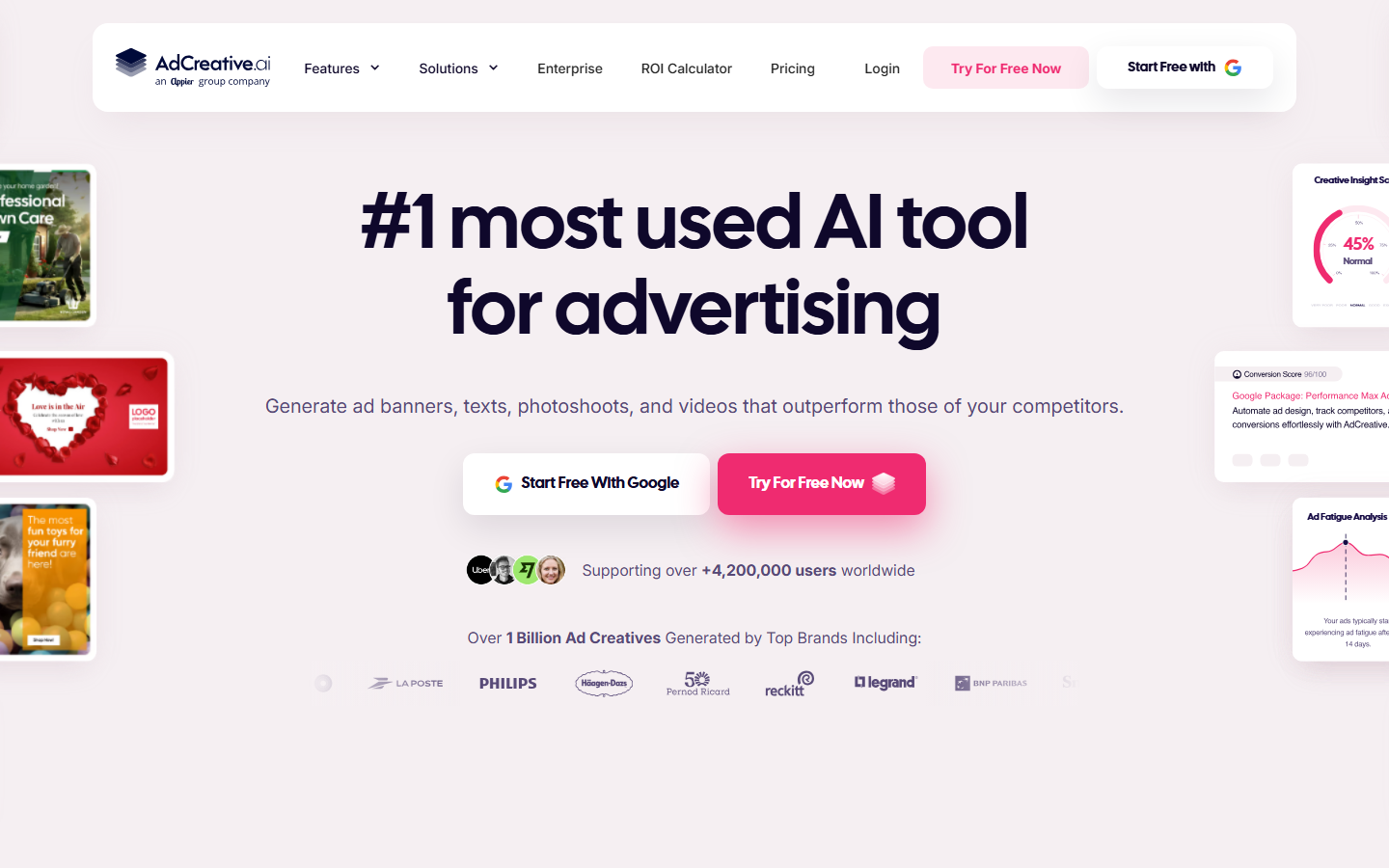
AdCreative.ai generates banner and social ad variants from a brand kit and attaches a predicted performance score to each one, which gives media buyers a defensible way to shortlist creative before spending budget. Multi-brand workspaces keep client assets separate, and platform-specific sizing removes a chunk of the manual resizing that eats junior designer hours. The output skews template-driven, so it works better for high-volume testing than for hero campaign concepts. Agencies running continuous creative testing can extend the same approach with a wider survey of AI ad generators for social media.
Verdict: best for agencies whose paid teams need many variants weekly rather than a few polished ones.
5. Canva Magic Studio: best for fast client-facing design
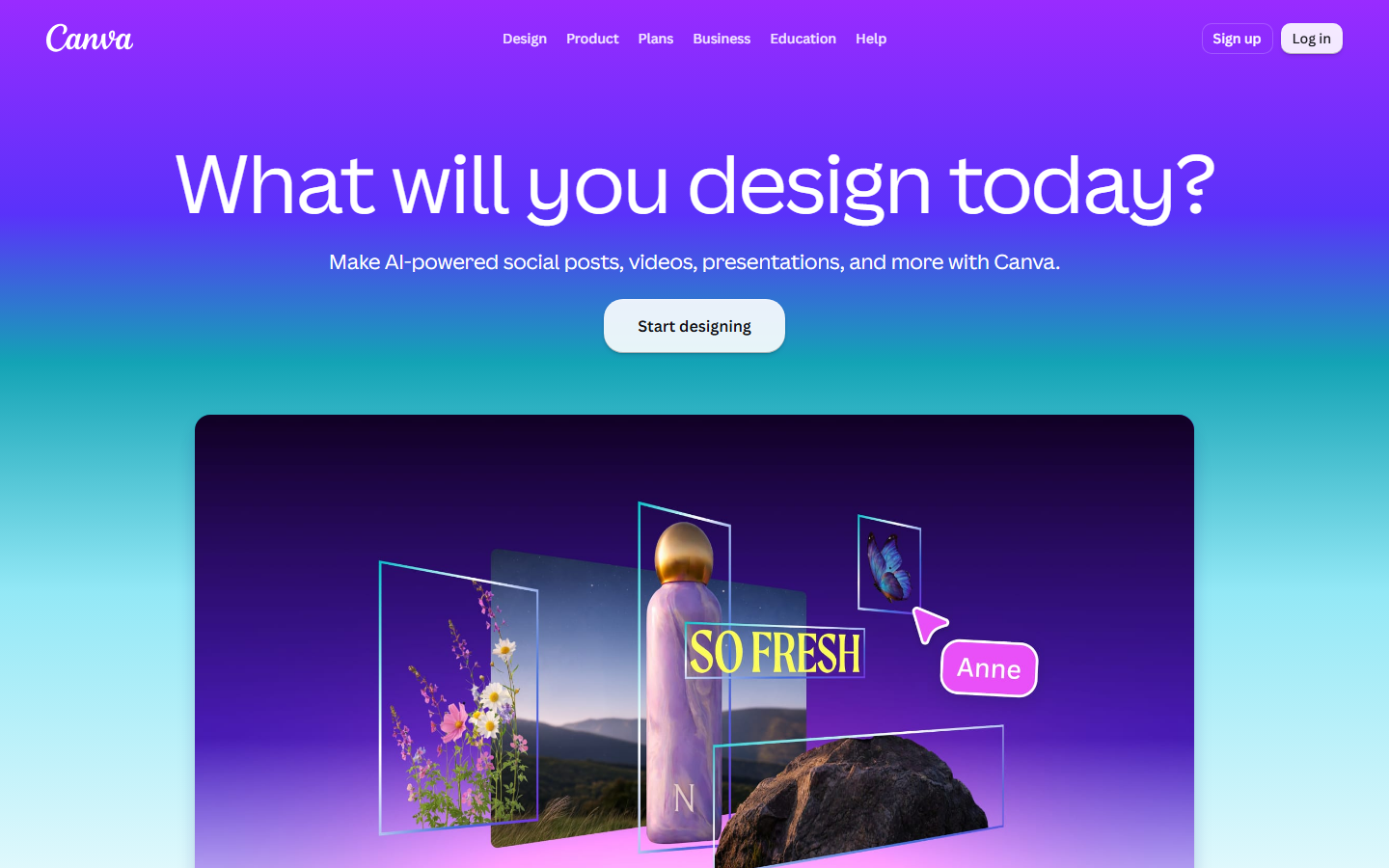
Canva earns its place through brand kits and shared templates, which let account managers produce on-brand decks, social posts, and one-pagers without pulling a designer off billable work. Magic Studio adds text-to-image, background removal, and one-click resizing across formats, and Brand Hub locks fonts and colors so client guidelines survive contact with non-designers. The ceiling is real: Canva output looks like Canva output, so it suits volume and turnaround rather than distinctive campaign work. Agencies that need brand rules enforced automatically may also want to look at AI brand kit generators as an upstream step.
Verdict: best for fast, on-brand collateral produced by people who are not designers.
6. Creatify: best for UGC video volume
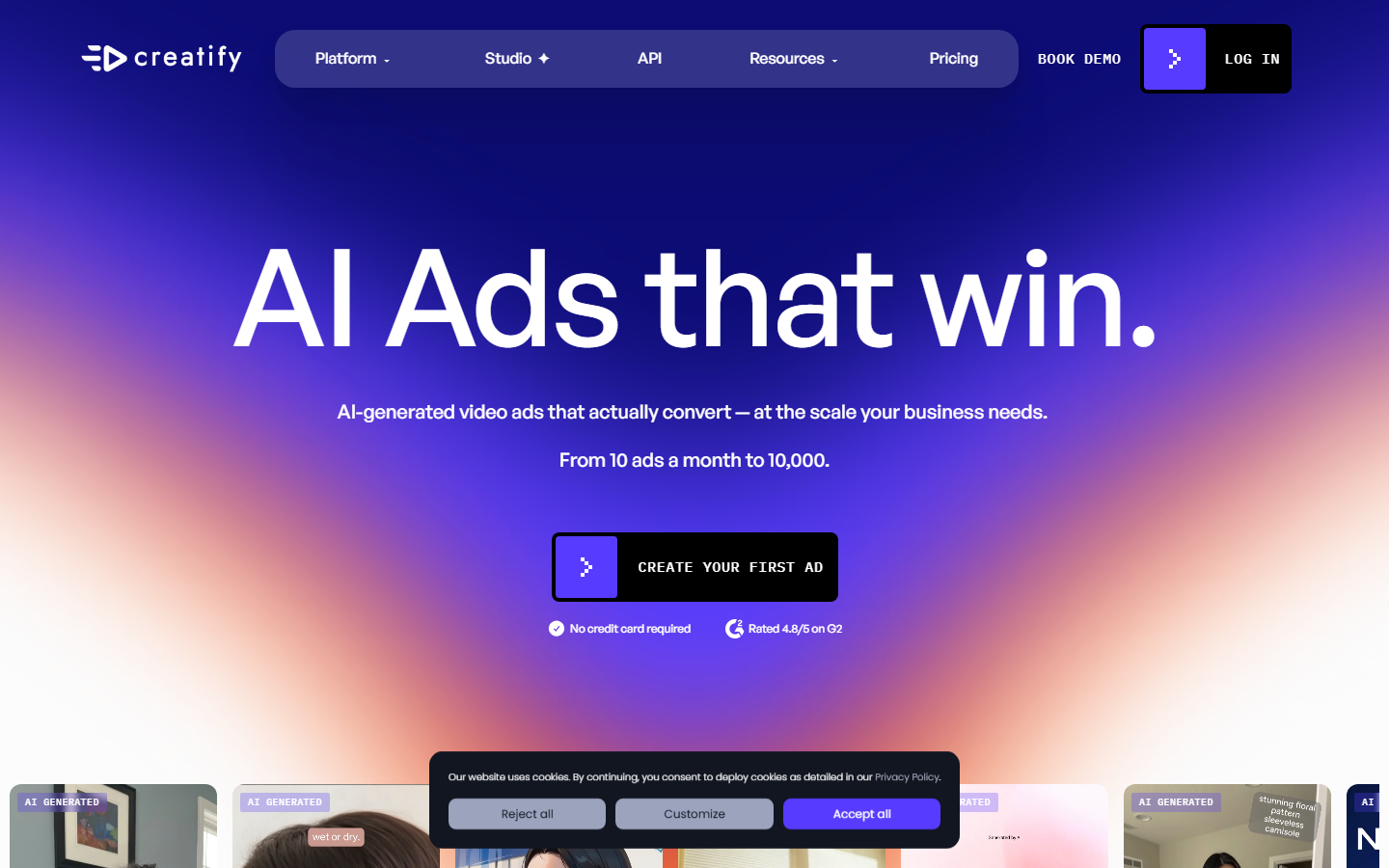
Creatify turns a product URL or a script into avatar-led video ads in the UGC style that still dominates paid social. For agencies, the appeal is skipping creator sourcing, briefing, and reshoots for testing budgets, then reserving real creators for the concepts that prove out. Batch generation and a sizable avatar library make it viable to ship a dozen hook variants for one client in an afternoon. Avatar delivery is noticeably synthetic on close inspection, so it is a testing engine more than a brand-film tool. A fuller category comparison sits in this roundup of AI UGC ad tools for agencies.
Verdict: best when you need many video hooks tested cheaply before committing to production.
7. Zapier: best for workflow glue
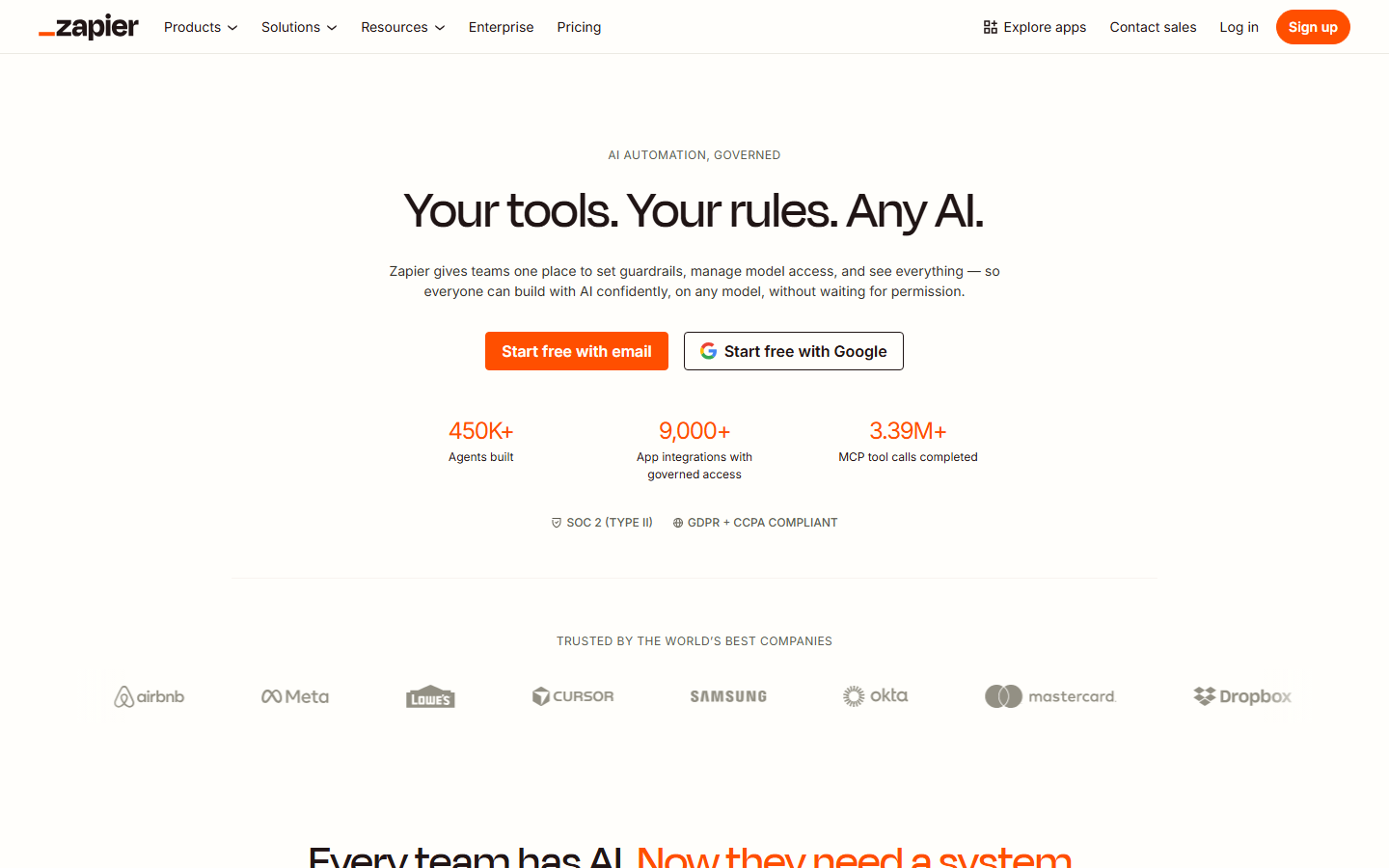
Zapier is not a creative tool; it is what stops your creative tools from becoming a manual copy-paste chain. Agencies use it to move approved assets into client folders, push form submissions into CRMs, notify Slack channels when a deliverable clears review, and trigger AI steps in between. Its AI actions can summarize or classify inline, which covers light tasks without adding another subscription. The limitation is that per-task pricing gets expensive once volume rises, at which point a purpose-built canvas is usually cheaper; the tradeoffs are covered in this comparison of AI workflow orchestration platforms with an API.
Verdict: best for connecting existing tools, not for running heavy generation itself.
8. Surfer SEO: best for organic search delivery
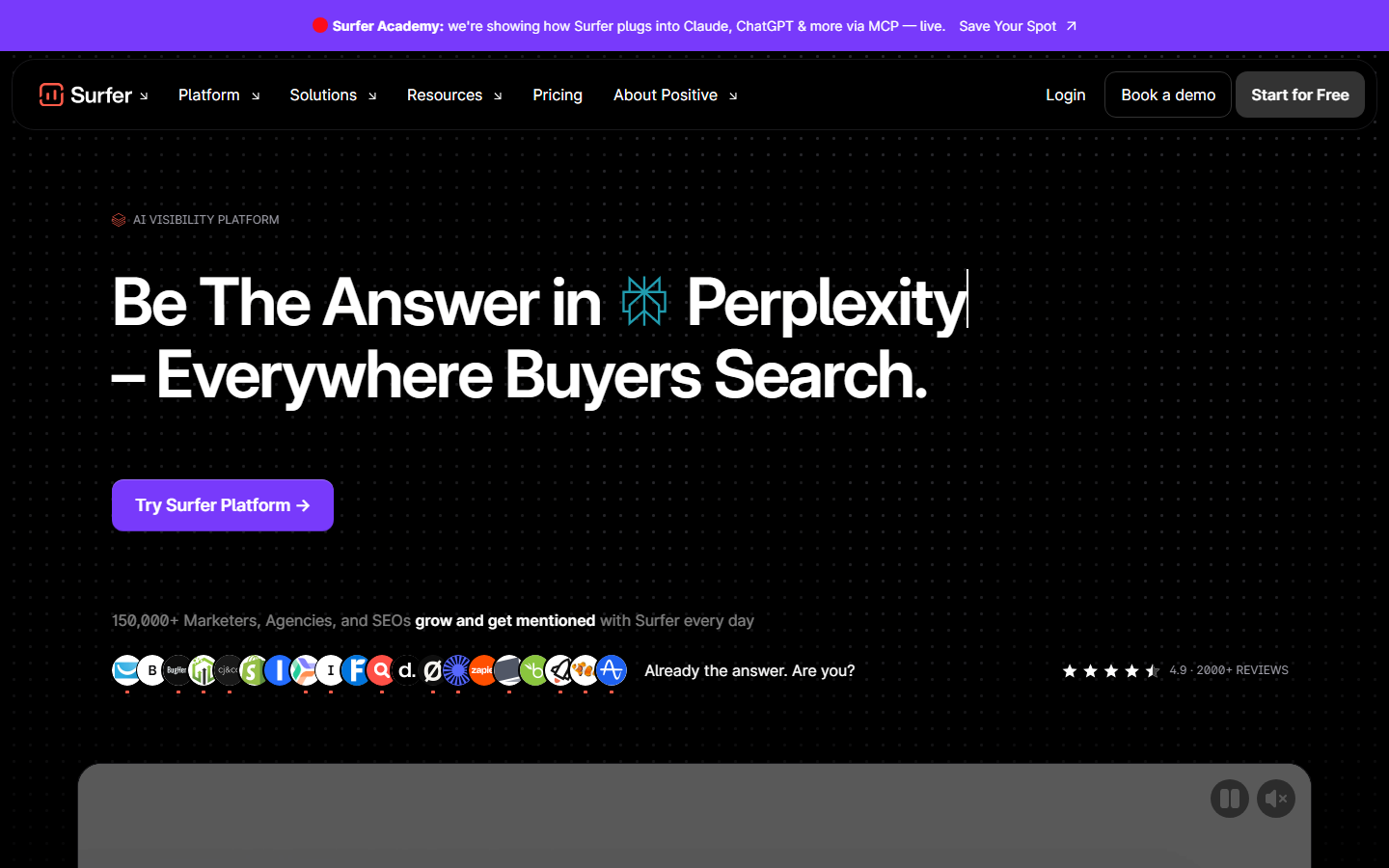
Surfer SEO remains the practical choice for agencies selling content retainers, because it converts a target keyword into a brief a freelance writer can follow: terms to include, structure, and word count based on what currently ranks. Content Score gives account managers a number to review against rather than an opinion, which shortens approval cycles. It optimizes for classic search rather than AI answer engines, so agencies with clients tracking visibility in chat assistants should treat it as one input among several; the wider set is compared in this list of AI marketing agent tools.
Verdict: best for agencies delivering SEO content programs with external writers.
Comparison table
| Tool | Primary job | Multi-client support | Best for |
|---|---|---|---|
| Wireflow | Multi-model production pipelines | Reusable canvases per client | Overall agency production |
| Jasper | Long and short-form copy | Brand voice profiles | Copywriting volume |
| HubSpot Breeze | CRM, email, reporting | Native client portals | Marketing operations |
| AdCreative.ai | Ad variants and scoring | Brand workspaces | Paid social testing |
| Canva Magic Studio | Design and resizing | Brand kits and templates | Fast collateral |
| Creatify | Avatar and UGC video ads | Project-level separation | Video hook testing |
| Zapier | Automation between apps | Per-client Zap folders | Connecting the stack |
| Surfer SEO | Content briefs and on-page | Per-domain projects | SEO retainers |
Assembling the stack without paying twice
The common agency mistake is buying one tool per task, then discovering that four of them generate images and three of them write copy. A cleaner approach is one production layer that chains models, one operations layer that holds client data, and one or two specialist tools where the category genuinely demands it, such as SEO briefs or paid creative scoring. Mapping the flow before buying also exposes where handoffs still require a human, which is usually the approval step rather than the generation step, as this breakdown of video content automation for agency clients shows.
Budget planning matters as much as feature comparison here, because most AI pricing scales with seats, contacts, or generated assets, and agencies hit all three at once. Run the projected monthly volume for your largest account through each vendor's pricing before committing to annual terms, and check whether outputs remain usable if you cancel.
Try it yourself: Build this marketing creative workflow in Wireflow. The nodes are pre-configured to take a product description, write ad headlines, and generate matching ad imagery in one run.
FAQ
What are the best AI solutions for marketing agencies in 2026? The strongest agency stack in 2026 combines a multi-model production canvas such as Wireflow, a brand-voice copy tool such as Jasper, an operations platform such as HubSpot Breeze, and specialists for paid creative, video, and SEO.
How many AI tools does an agency actually need? Most agencies run well on three to five. One production layer, one operations layer, and one or two specialists cover the majority of deliverables without overlapping subscriptions.
Can AI tools handle multiple client brands without mixing them up? Yes, provided the tool has explicit per-brand separation such as brand kits, voice profiles, or separate workspaces. Tools without that separation tend to leak one client's tone into another's output.
Are AI-generated ads good enough for client campaigns? For volume testing, yes. Most agencies use AI creative to find the winning hook cheaply, then invest production budget in the concepts that prove out in the data.
What is the biggest cost trap with agency AI tools? Per-seat and per-generation pricing compounding across accounts. A stack that looks affordable for one client can triple when a second and third are onboarded, so model costs at your largest account's volume.
Do these tools replace agency staff? They shift where staff time goes. Production hours fall, while strategy, quality control, and client communication become a larger share of the work, which is usually the higher-margin part of the retainer.
How do I evaluate an AI tool before rolling it out to clients? Run one real deliverable through it end to end, including approvals and export, then compare the total hours against your current process. Demos rarely surface the friction that appears at handoff.
Can these tools be connected to each other? Most offer APIs or native integrations, and automation platforms cover the rest. Chaining models inside one canvas removes many of those connections entirely, which is often simpler than maintaining a web of integrations. Agencies producing large asset volumes should also look at batch AI generation rather than firing single requests.
Conclusion
The agencies getting real value from AI in 2026 are not the ones with the longest tool list; they are the ones that mapped their delivery process first and then bought the smallest stack that covers it. Copy, design, video, and reporting each have a credible AI option now, and the difference between a stack that saves twenty hours a month and one that adds admin overhead is mostly whether the pieces connect. Consolidating generation into a single chained pipeline, the approach Wireflow is built around, is the shortest route to that outcome for agencies producing across many accounts at once.
Would you rather we just built it?
We get on a call, learn your style, build the workflow, and ship the deliverables on a schedule. You keep the workflow either way.