The best UGC ads for Shopify tools in 2026 are ranked here by how well they handle a product catalog, not a single hero SKU, with pricing and honest limits for each. Most Shopify stores need twenty creative variants a week across Meta and TikTok, and paying a freelance creator $200 a clip stops working at that volume. The canvas platform Wireflow leads the list because it chains product image, script, avatar and edit into one flow you can re-run per SKU, while most tools generate one video at a time.
Quick Summary
- Wireflow (Best Overall). Node canvas that turns one product photo into a repeatable multi-SKU ad flow.
- Creatify (Best for Product URL Import). Paste a Shopify listing, get an avatar ad with captions.
- Arcads (Best for Realistic Delivery). Licensed AI actors whose reads pass as real creator footage.
- Billo (Best Real Creator Option). Marketplace of vetted creators filming your actual product.
- TopView AI (Best Budget Pick). Lowest cost per clip for early creative testing.
- Icon (Best for Ad Account Feedback). Ties creative output back to Meta and TikTok performance data.
- MakeUGC (Best for Simple Talking Heads). Fast single-format output with almost no setup.
- HeyGen (Best for Multilingual Stores). Large avatar library with translation and lip sync.
How We Ranked These Tools for Shopify
The ranking criterion is catalog throughput: how many usable ads a store can ship per week without a person writing a brief for every SKU. That favors tools that ingest a product URL or image directly and penalizes tools where each video starts from a blank script box, however good that single video looks. Our wider roundup of UGC video generators covers the category without the ecommerce filter.
The second factor is cost per usable variant rather than cost per generation. A tool at $1 a clip with a 30 percent keep rate is more expensive per shipped ad than a $3 tool that lands three times out of four. The math behind that is broken down in our guide to pricing AI UGC ad work. We also checked whether each tool exports at the aspect ratios Meta and TikTok accept, because a 16:9 export is a re-render, not a deliverable.
1. Wireflow (Best Overall)
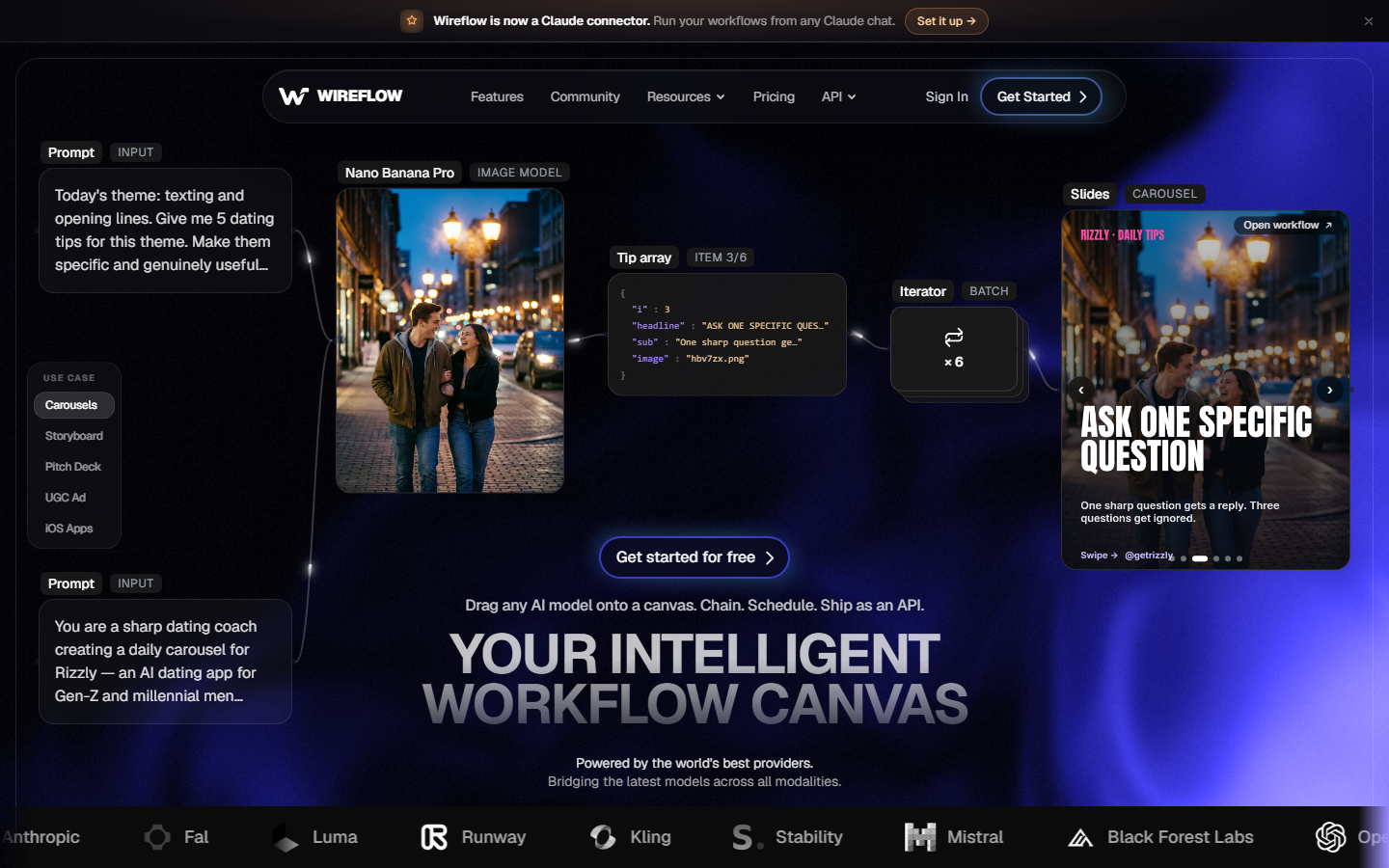
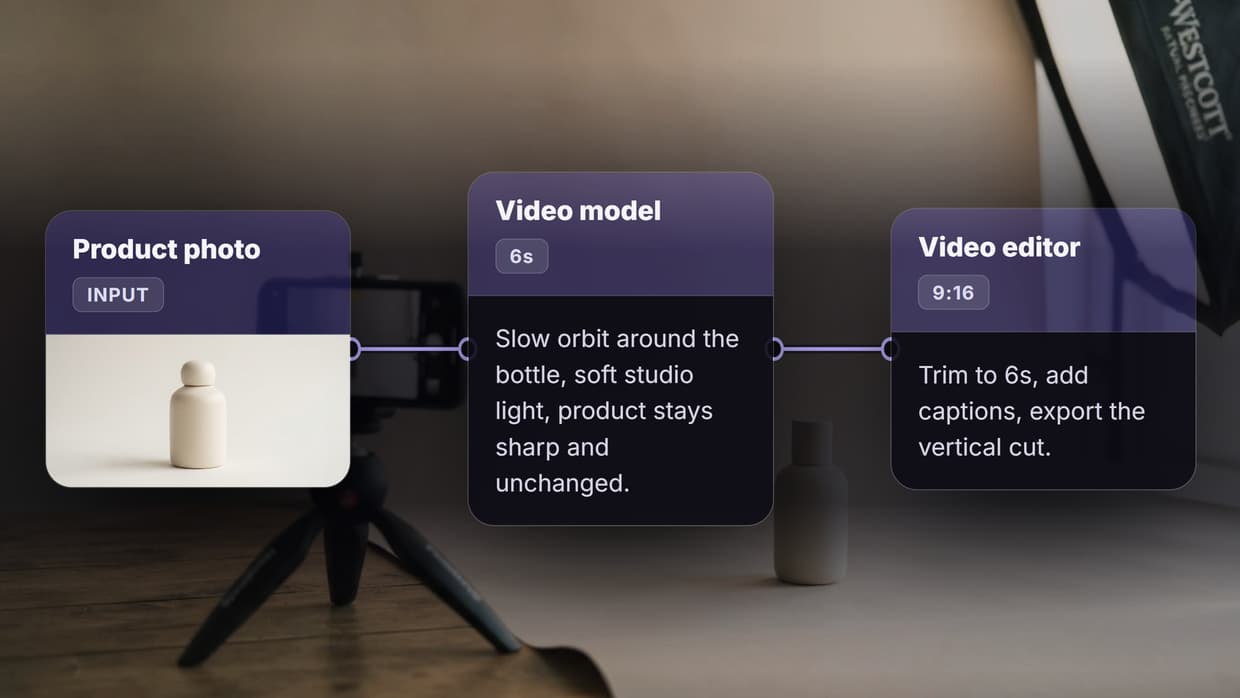
Wireflow is a node canvas where each step of the ad is a separate block: product image in, script generation, avatar performance, edit and caption pass, export. Because the graph is saved rather than the output, swapping the product image and re-running gives you the same ad structure for the next SKU, which is the part single-shot generators cannot do. The AI UGC workflow page shows the standard three-node version most stores start with.
The tradeoff is real: you assemble the flow once before anything comes out of it, so a merchant who needs one video today will get it faster elsewhere. The payoff arrives at catalog scale, when you are editing one node rather than forty briefs. Credits are metered per model run rather than per seat, so cost tracks generation volume; current rates are on the pricing page.
Best for: stores running more than ten SKUs who want one creative system instead of a tool per step.
2. Creatify (Best for Product URL Import)
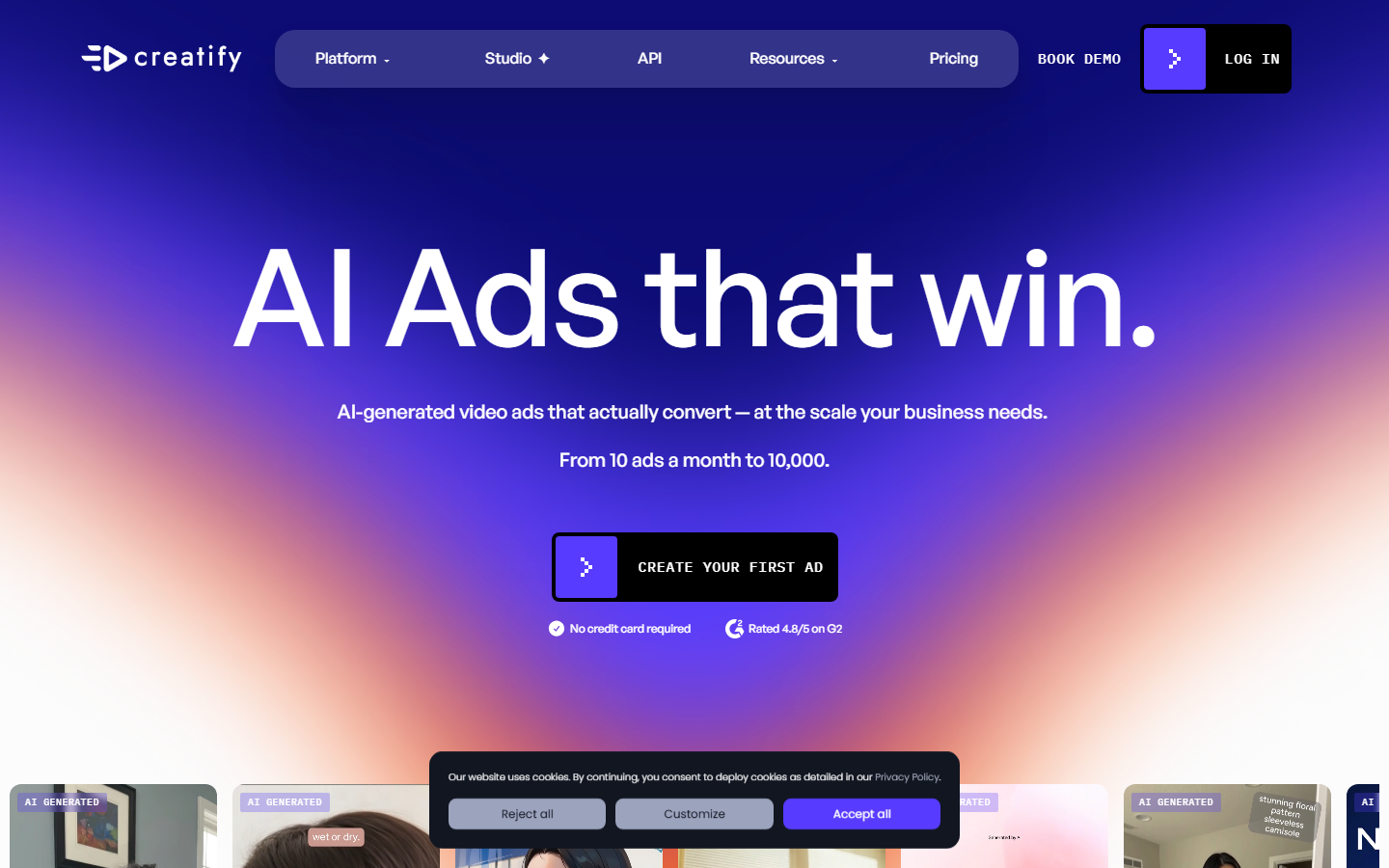
Creatify reads a Shopify product URL directly, pulling images, title, description and price, then drafts a script from that copy and assembles an avatar ad with burned-in captions. For a store with a populated catalog this removes the slowest manual step, which is writing thirty briefs for thirty products. Plans start near $39 a month for a credit allowance, and the batch mode will queue a list of URLs. Scripts lean generic when your product copy is thin, so pages with one-line descriptions produce flat ads. Related options are covered in our list of AI UGC generators.
Best for: merchants with detailed product pages who want ads generated straight from the catalog.
3. Arcads (Best for Realistic Delivery)
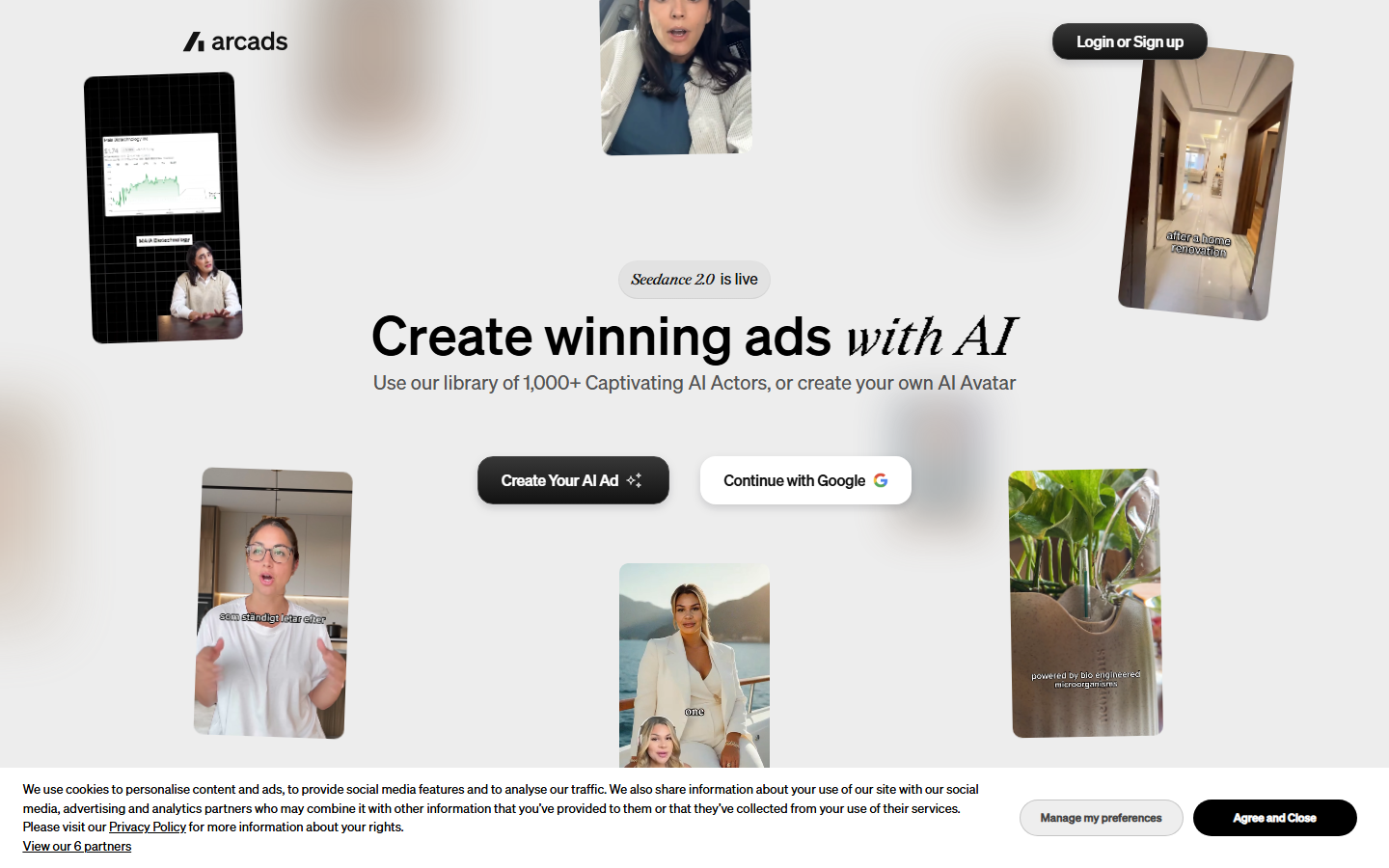
Arcads turns a written script into a performance by a licensed actor, and delivery is what you are paying for. Breathing, emphasis and small facial shifts land closer to a real creator read than most of the field, which matters because the first two seconds decide whether a cold-traffic ad survives. Plans start around $110 a month for a capped clip allowance, so per-clip economics only work if your keep rate is high. There is no catalog ingest, so you still write every script yourself. Substitutes at different price points are compared in our Arcads alternatives roundup.
Best for: stores where hook performance is the bottleneck and script volume is low.
4. Billo (Best Real Creator Option)
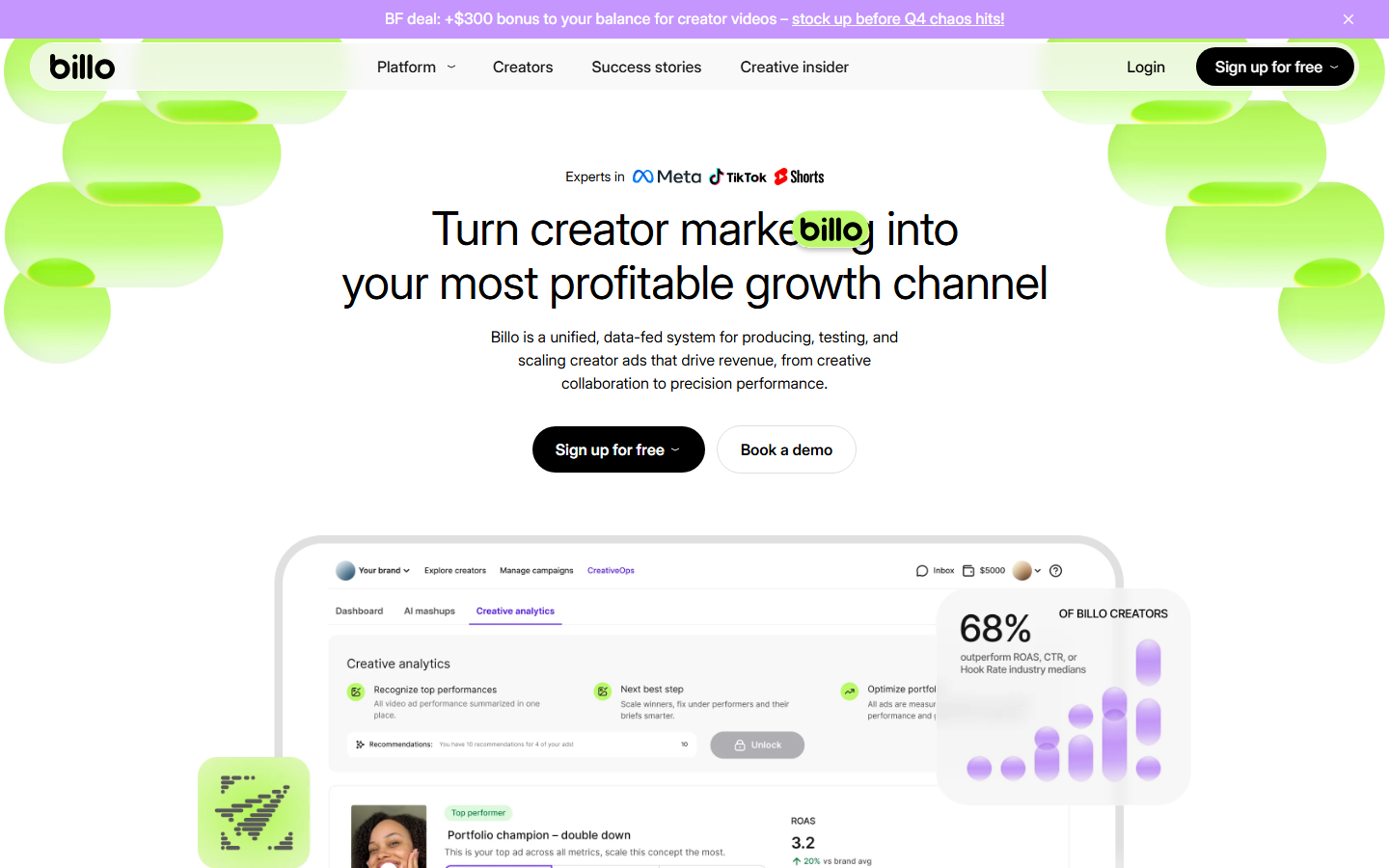
Billo is a marketplace, not a generator: you ship your product to a vetted creator and receive filmed footage back, typically from around $99 a video. This is the only entry where a human physically handles the product, which still matters for texture, unboxing and anything where fit or scale is the selling point. The cost is turnaround, usually one to two weeks, so you cannot iterate on a hook the same afternoon. Many stores run it alongside generated creative; the UGC creators page covers how the two modes get combined.
Best for: physical products where demonstration and handling carry the ad.
5. TopView AI (Best Budget Pick)
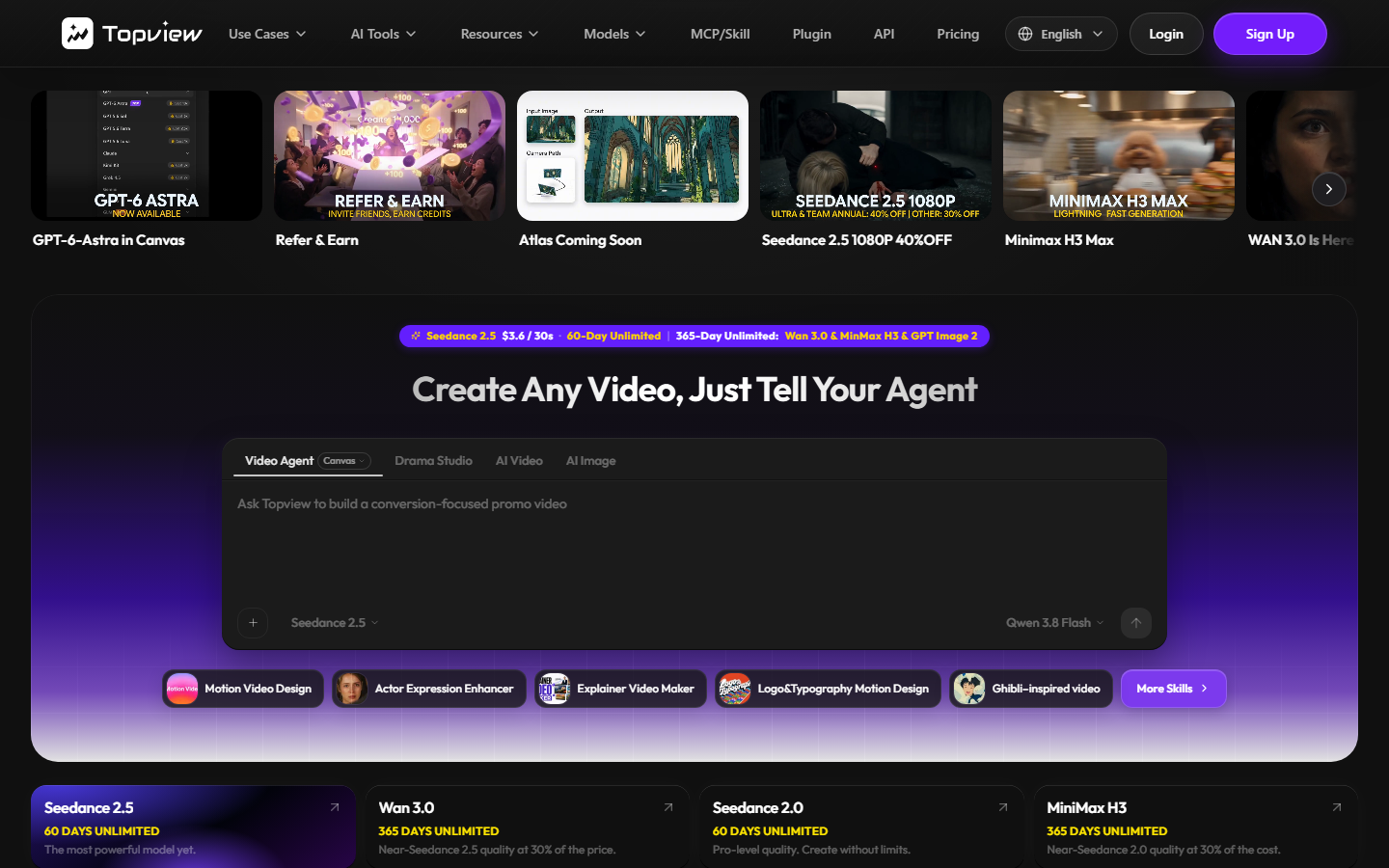
TopView AI generates product videos from an image or URL at the lowest effective cost per clip in this list, with entry plans in the $20 to $30 a month range. That makes it a testing instrument: generate fifteen hooks, put them all in an ad set, and let the account decide which two deserve a better production pass elsewhere. Quality is inconsistent between runs, and avatar lip sync is the weakest point, so it works better for early signal than for scaling a proven winner. Platform-specific export notes are in our roundup of AI tools for TikTok UGC ads.
Best for: finding a working angle cheaply before committing budget to production.
6. Icon (Best for Ad Account Feedback)
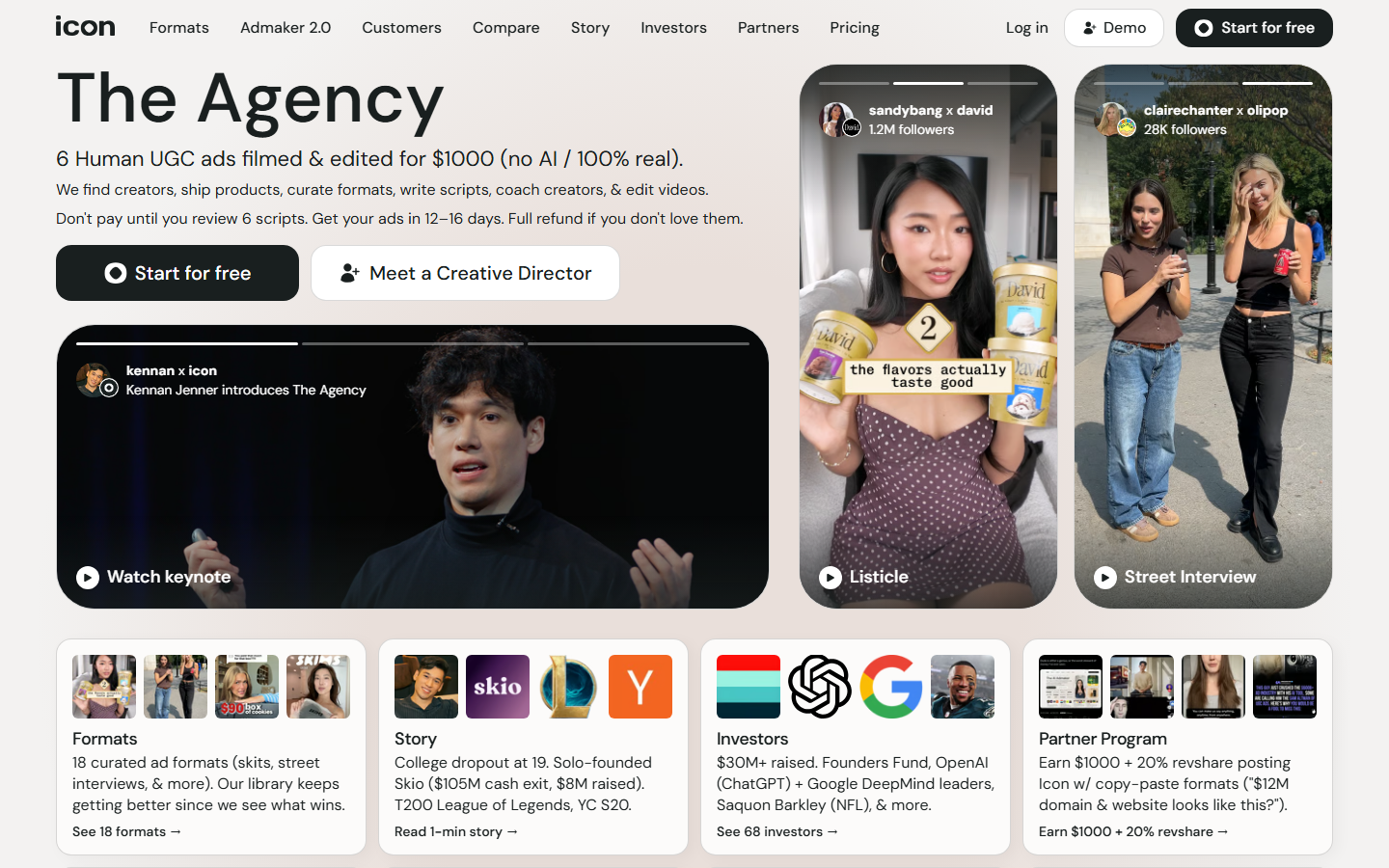
Icon connects generation to the ad account, tagging creative attributes such as hook type, framing and length, then reporting which combinations performed. For a store past its first winning ad, this is the difference between generating more videos and generating the right ones. Pricing sits at the agency end and is quoted rather than listed, and the tool needs real spend data to be useful, so a new account has nothing to learn from yet. Similar reporting-led setups appear in our list of ad creative automation tools.
Best for: stores spending enough that creative decisions should come from data, not taste.
7. MakeUGC (Best for Simple Talking Heads)
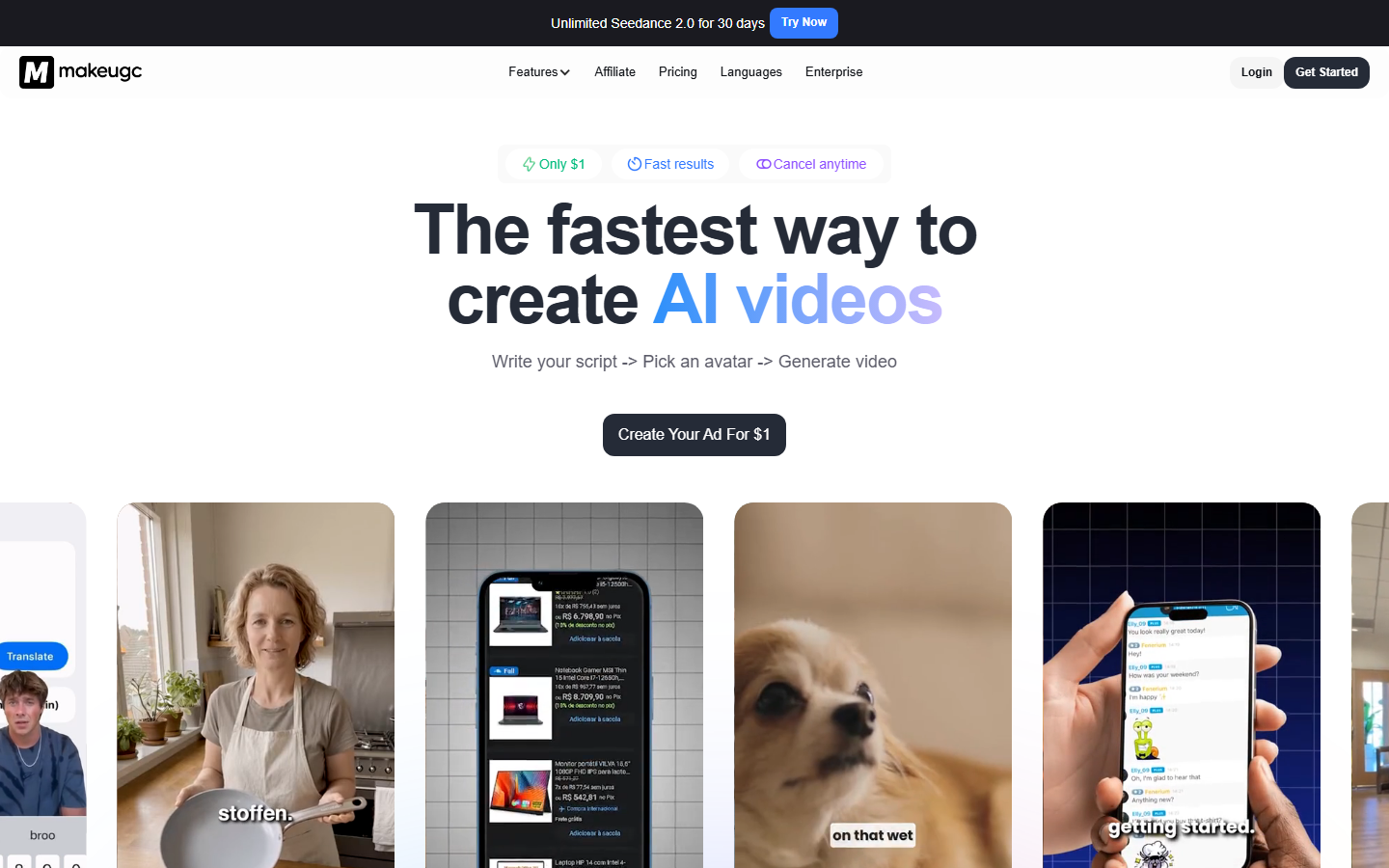
MakeUGC does one format well: a person on camera talking about your product, generated from a script in a few minutes with minimal configuration. Plans start near $49 a month. The narrow scope is the feature, since there is nothing to learn and nothing to misconfigure, but it also caps what you can do when talking-head fatigue sets in and the account needs demo or before-and-after formats instead. Comparable single-format tools are covered in our MakeUGC alternatives comparison.
Best for: small stores shipping their first UGC-style ads without a production process.
8. HeyGen (Best for Multilingual Stores)

HeyGen pairs a large avatar library with translation and lip sync across dozens of languages, so one approved script becomes localized creative for every market you ship to, and the API makes it practical to trigger generations from a product feed. Output skews polished and studio-lit, which reads as a brand spot rather than creator footage. Free tier available, with creator plans from around $29 a month. Format options are compared on our UGC video generator page.
Best for: stores selling across multiple countries from one catalog.
Comparison Table
| Tool | Starting price | Catalog or URL ingest | Real footage | Best for |
|---|---|---|---|---|
| Wireflow | Credit based | Yes, per node input | No | Multi-SKU creative systems |
| Creatify | ~$39/mo | Yes, product URL | No | Ads straight from the catalog |
| Arcads | ~$110/mo | No | No | Hook and delivery quality |
| Billo | ~$99/video | No | Yes | Demonstration products |
| TopView AI | ~$20/mo | Yes, image or URL | No | Cheap creative testing |
| Icon | Quoted | Partial | No | Data-led creative decisions |
| MakeUGC | ~$49/mo | No | No | First talking-head ads |
| HeyGen | Free tier, ~$29/mo | Via API | No | Multilingual catalogs |
Prices are entry tiers as listed publicly in September 2026 and move often, so treat them as a shape rather than a quote. The more useful number is cost per ad that survives your first 48 hours of spend, usually two to four times the sticker cost once failed variants are counted. A closely related ranking without the ecommerce filter is our UGC style ads tools list.
How to Choose for Your Store
Match the tool to your catalog size first. Under five SKUs, a single-format generator like MakeUGC or a filmed Billo batch will cover you, and building a pipeline is wasted setup. Between five and fifty SKUs, URL ingest becomes the deciding feature, which points at Creatify or a saved Wireflow graph. Past that, the bottleneck stops being generation and becomes deciding what to generate, which is where Icon's reporting earns its price. Scaling patterns are covered on our scale ads with UGC page.
Then check two mechanical things before subscribing: that the tool exports 9:16 and 4:5 natively, and what happens on a bad generation. Tools that burn a credit on unusable output cost meaningfully more than their listed price suggests.
Try it yourself: Build this UGC ad workflow in Wireflow. The nodes are pre-configured with the product image, script and avatar setup discussed above.
Frequently Asked Questions
Do any of these tools integrate directly with Shopify?
Creatify and TopView AI ingest a product URL, which covers most of what merchants mean by integration: the tool reads your listing and builds from it. None of the tools here install as a Shopify app that syncs the full catalog automatically, so bulk work still means feeding a list of URLs or images. Feed-driven approaches are covered in our guide to automating UGC video creation.
Is AI UGC allowed in Meta and TikTok ads?
Yes, both platforms accept AI-generated creative. Meta applies its own labels and requires disclosure for realistic AI content in some categories, and TikTok requires AI-generated content to be marked. Neither restricts the format itself, so the practical constraint is the usual one: no unsupported product claims.
How many variants should a Shopify store test at once?
Start with eight to twelve hooks against the same offer, since hook is the variable that moves results most. Once one wins, produce four variations of that hook rather than twelve new ideas. Testing structures are covered in our Facebook ad creative roundup.
Is generated UGC as effective as real creator footage?
For hook testing and cold-traffic volume, generated creative performs close enough that cost decides it. For products where handling, fit or texture sells the item, filmed footage still wins, which is why many stores run both and reserve creator budget for evergreen ads.
What does a working setup cost per month?
A small store testing seriously lands between $50 and $150 a month in tool cost, plus ad spend. That number climbs with volume rather than with seats on most of these platforms, so the real budget question is how many variants a week you need.
Do I need a script writer?
Not for the first pass. URL-ingest tools draft from your product copy, so the highest-return edit is the product description itself rather than a script hire. Hand-written hooks still outperform generated ones, so the usual split is generated body copy with a manually written first line.
Can one tool cover the whole workflow?
Rarely. Most stores end up with a generator, an editor and something tracking performance. The alternative is a node-based setup where those steps live in one graph, described on our AI UGC generator page.
Conclusion
There is no single best UGC ads tool for Shopify, because the right answer depends on whether your constraint is budget, catalog size or creative quality. A store with three products and a tight budget should start with MakeUGC or TopView AI and spend the savings on testing. A store past fifty SKUs should stop buying per-video tools and build a repeatable flow, which is the case Wireflow is built for. Whichever you pick, judge it after two weeks on cost per ad that survived real spend, not on how good the first video looked.
Would you rather we just built it?
We get on a call, learn your style, build the workflow, and ship the deliverables on a schedule. You keep the workflow either way.