Best Hunyuan3D v3 Tools in 2026

In this article▾
The best Hunyuan3D v3 tools in 2026 let you turn a text prompt, a reference image, or a sketch into a textured 3D mesh without installing anything or owning a GPU. We compared six options, from Tencent's own platform to APIs and browser apps, on price, formats, version and what happens around the mesh. Wireflow ranks first because it runs the concept image and the 3D step in one connected flow that you can also call as an API.
Quick Summary
- Wireflow - Concept image to textured mesh on one node canvas (Best Overall)
- Tencent Hunyuan 3D - The model maker's own studio with daily free runs (Best Free Tier)
- fal.ai - Hunyuan3D v3 as a per-generation API with PBR options (Best Pay-Per-Use API)
- Replicate - Hunyuan 3D 3.1 behind a standard model API (Best for Existing Replicate Users)
- 3D AI Studio - Browser app with Hunyuan3D 3.0, 3.1 and other 3D models (Best Multi-Model 3D App)
- Dzine - Hunyuan3D 3.0 inside an AI design suite (Best for Designers)
How These Tools Were Ranked
Every tool here runs the same model family, so we ranked them on what surrounds it: input options, cost per asset, version, and how easily the result moves into your next step. Version matters: Hunyuan3D v3 is Tencent's 3.0 release, a 3.1 update followed in early 2026, and platforms expose one, the other, or both. Several tools below also let you place the 3D step after an image model, a pattern explained in this guide to chaining AI models together.
Export format is the second filter. Tencent and fal both document OBJ and GLB; web apps that list extra formats usually convert on their side, so test a file in your engine first. If the end use is game assets, the concept art and game design guide covers the steps that come before the mesh.
Build this in Wireflow
Make the same kind of asset on a canvas you control, with a free account and no credit card.
1. Wireflow
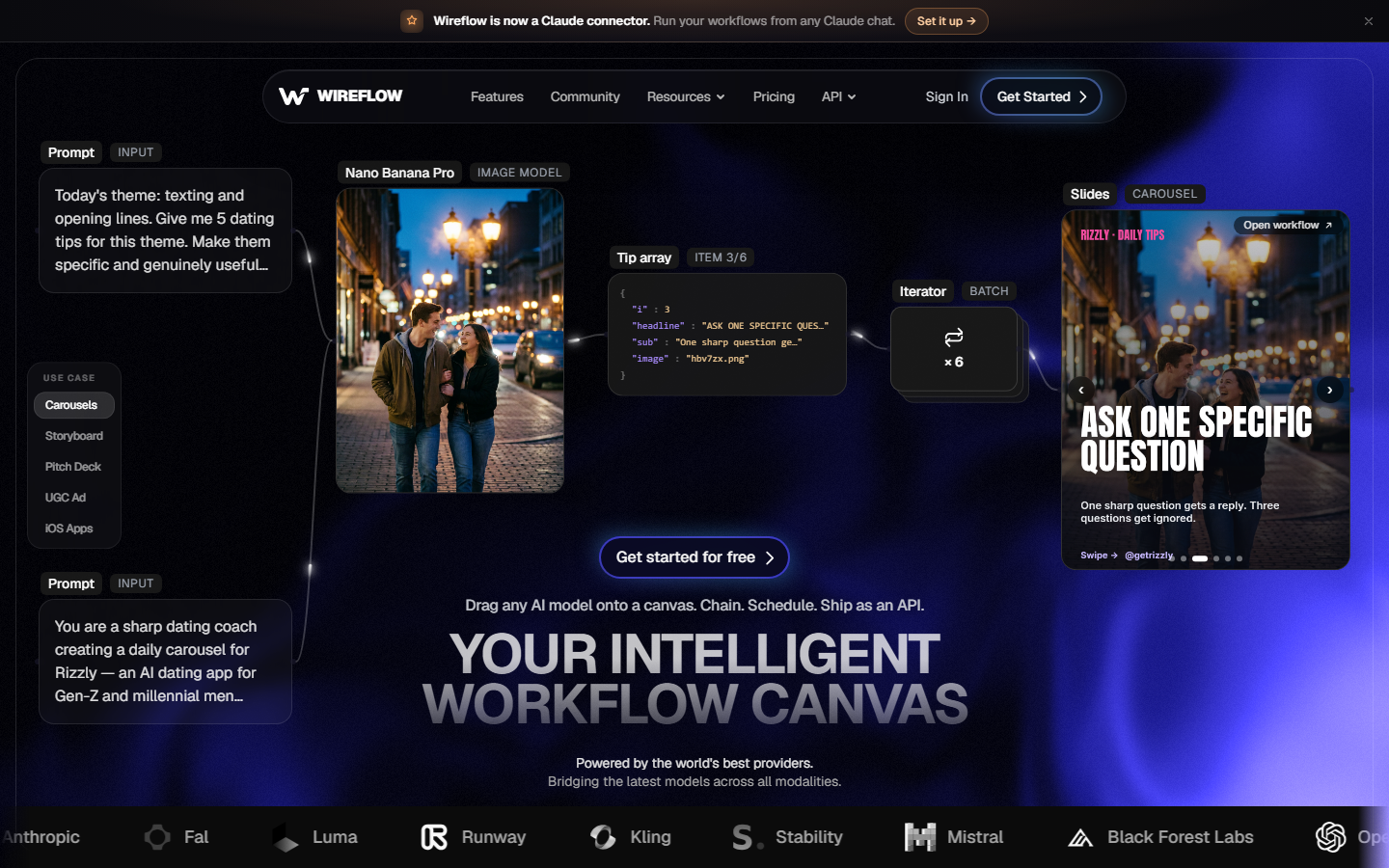
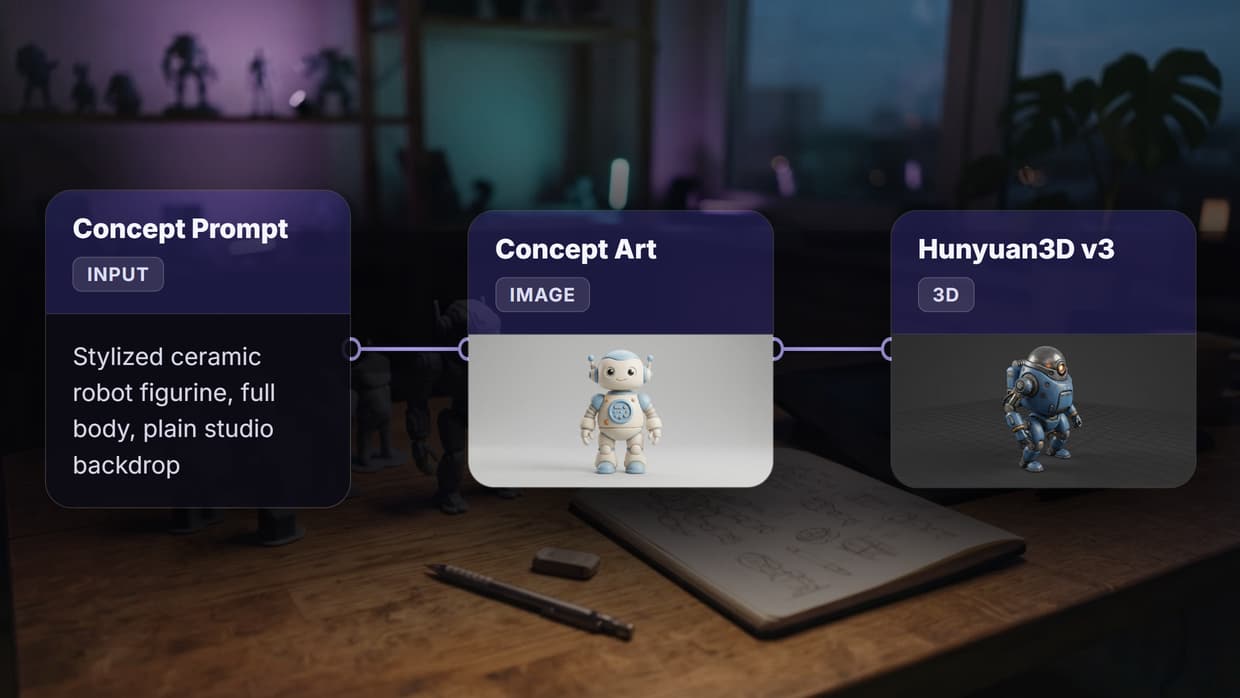
Wireflow is a hosted node canvas for image, video, audio and image-to-3D generation. Hunyuan3D v3 runs as a node that takes a text prompt or an image and returns a textured mesh. A typical flow sends a prompt to an image model such as GPT Image 2.5 Flare for a clean concept frame, then passes that frame to the 3D node. Because every step is a node on a visual canvas, you edit the prompt and rerun the chain to get a new asset.
Meshy 6 and 7, Tripo H3.1, Trellis 2 and Hyper3D Rodin also run as 3D nodes, so you can feed one concept image into several models and compare meshes before choosing. Every published workflow is also a REST endpoint and an MCP tool, so an app or agent can request a mesh and get asset URLs back through the AI workflow API.
The limits: this is the generation layer, not a 3D suite. There is no manual retopology, UV editing, sculpting or rigging, and meshes often need cleanup in Blender before production. Building on the canvas is free, generations cost credits, and paid plans on the pricing page start at $24 a month.
Best for: teams that want concept art and 3D conversion in one repeatable flow, with API or agent access.
2. Tencent Hunyuan 3D
Tencent Hunyuan 3D is the model maker's own platform. Its global version launched in late 2025 with 20 free generations a day for creators, according to Tencent's announcement, and it runs the newest 3.x engines with text, image and sketch input. In 2026 Tencent grew it into HY 3D Studio, which adds topology, UV, texturing, rigging and animation steps after generation.
Going direct gives you new versions first and the most complete post-processing here. The tradeoffs: our test browser hit an access-restricted page on the global site, and programmatic use runs through Tencent Cloud's enterprise API. Teams embedding the model in a product usually compare it with image and model APIs for developers before committing.
Best for: artists who want the newest version, free daily runs and built-in rigging.
3. fal.ai
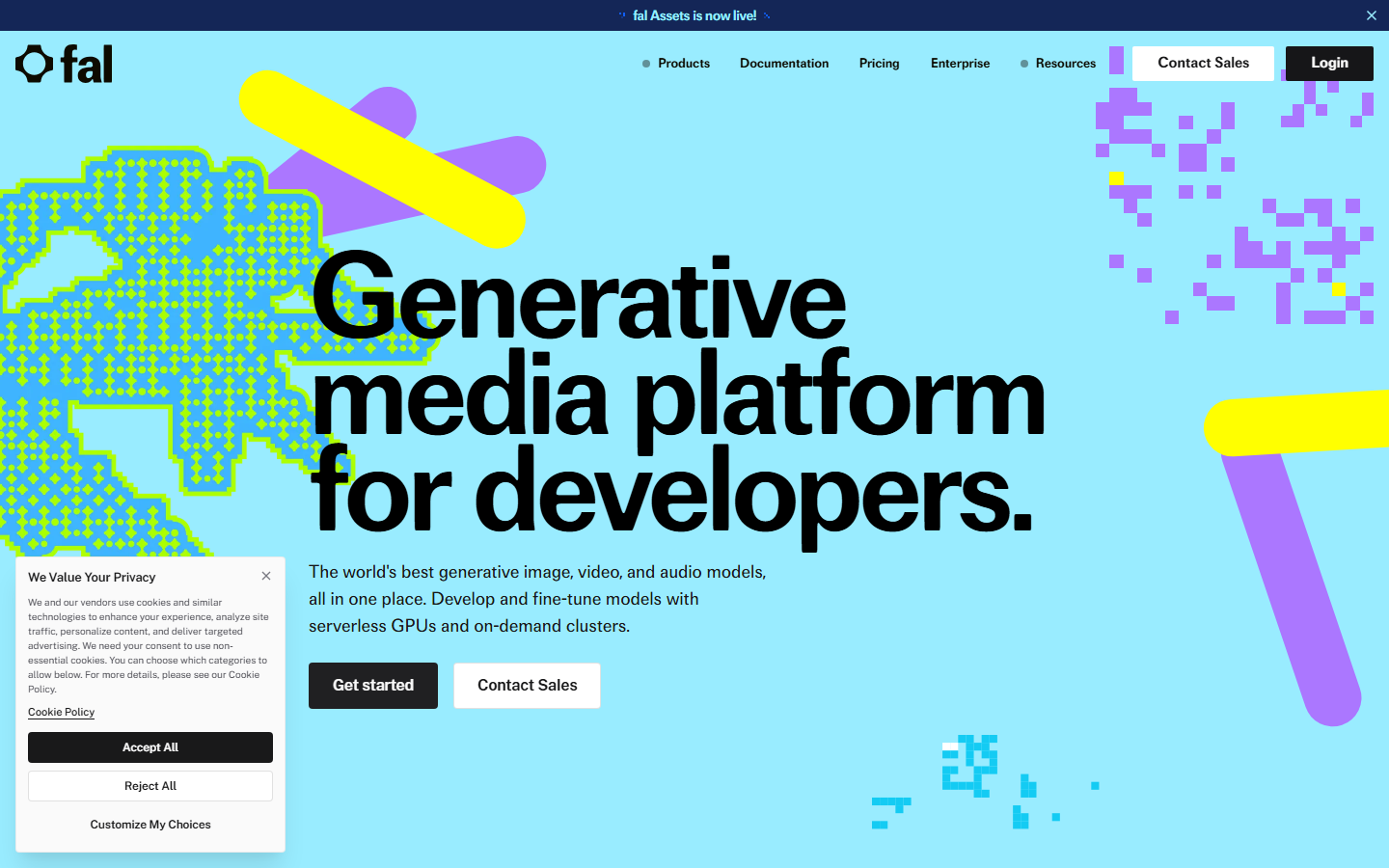
fal hosts Hunyuan3D v3 as two serverless endpoints, text-to-3D and image-to-3D, billed per generation. On its model page in October 2026, a normal textured generation costs $0.375, a LowPoly run $0.45 and a geometry-only run $0.225, with $0.15 added for each of PBR materials, extra multi-view images or a custom face count. Output arrives as GLB and OBJ, and fal quotes roughly a minute per generation.
That makes fal the most transparent way to budget v3 at volume. The catch: it is a developer platform, so you write the requests, store the files and build the surrounding steps yourself. If you already use it, the fal MCP guide shows how an agent can call those same endpoints.
Best for: developers who want per-call pricing and full control of v3 parameters.
4. Replicate
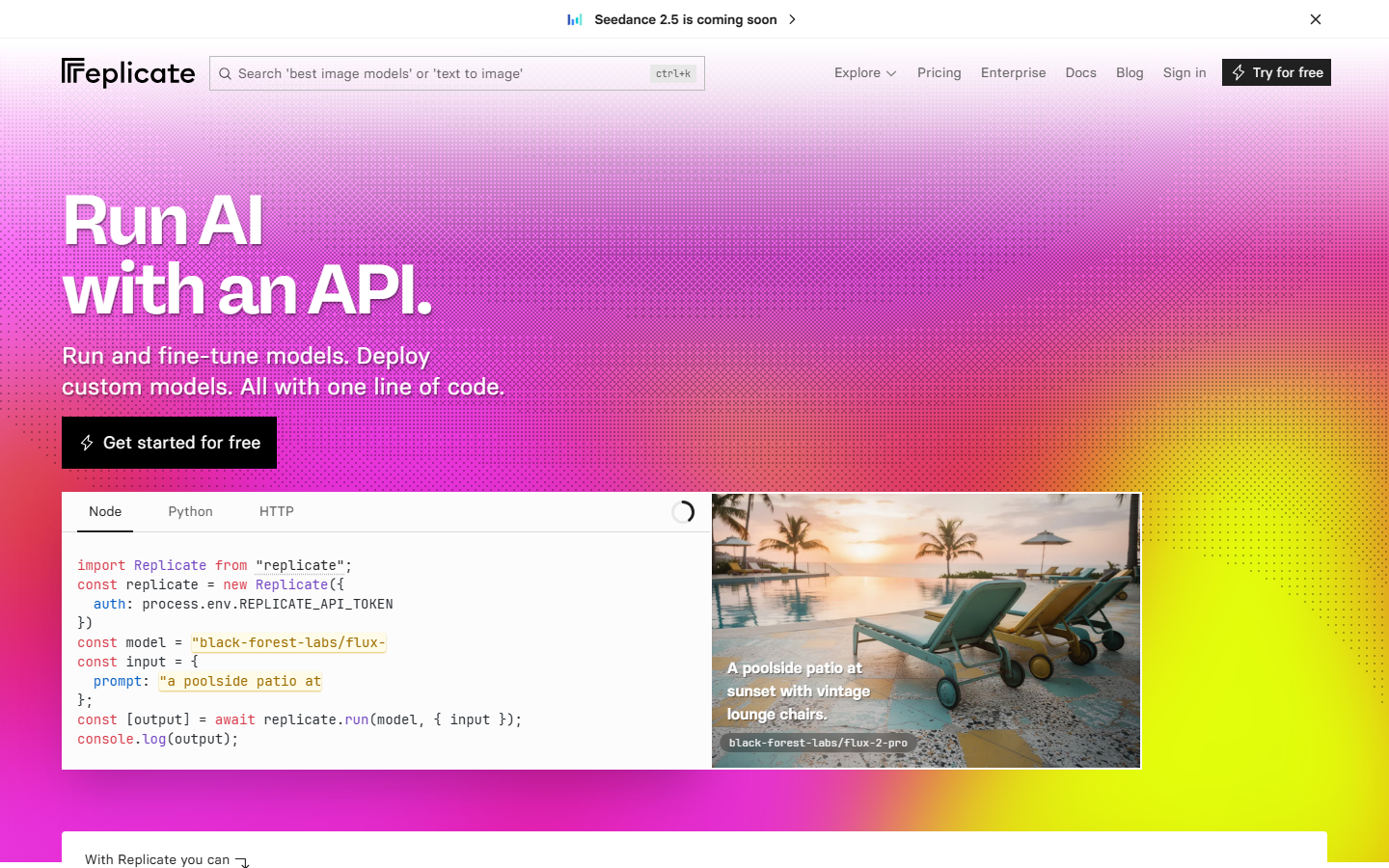
Replicate lists Tencent's Hunyuan 3D 3.1 as an official model that takes a text description or a reference image and returns a textured mesh. It uses the same client libraries and HTTP API as every other Replicate model, so it slots into an existing integration quickly.
Note that this is the 3.1 release, not the 3.0 build fal labels v3, so results can differ from v3 tutorials; confirm the per-run price on the model page. Teams that outgrow single-model calls often look at moving from Replicate to a canvas API once they need several models in sequence.
Best for: teams already running models on Replicate.
5. 3D AI Studio
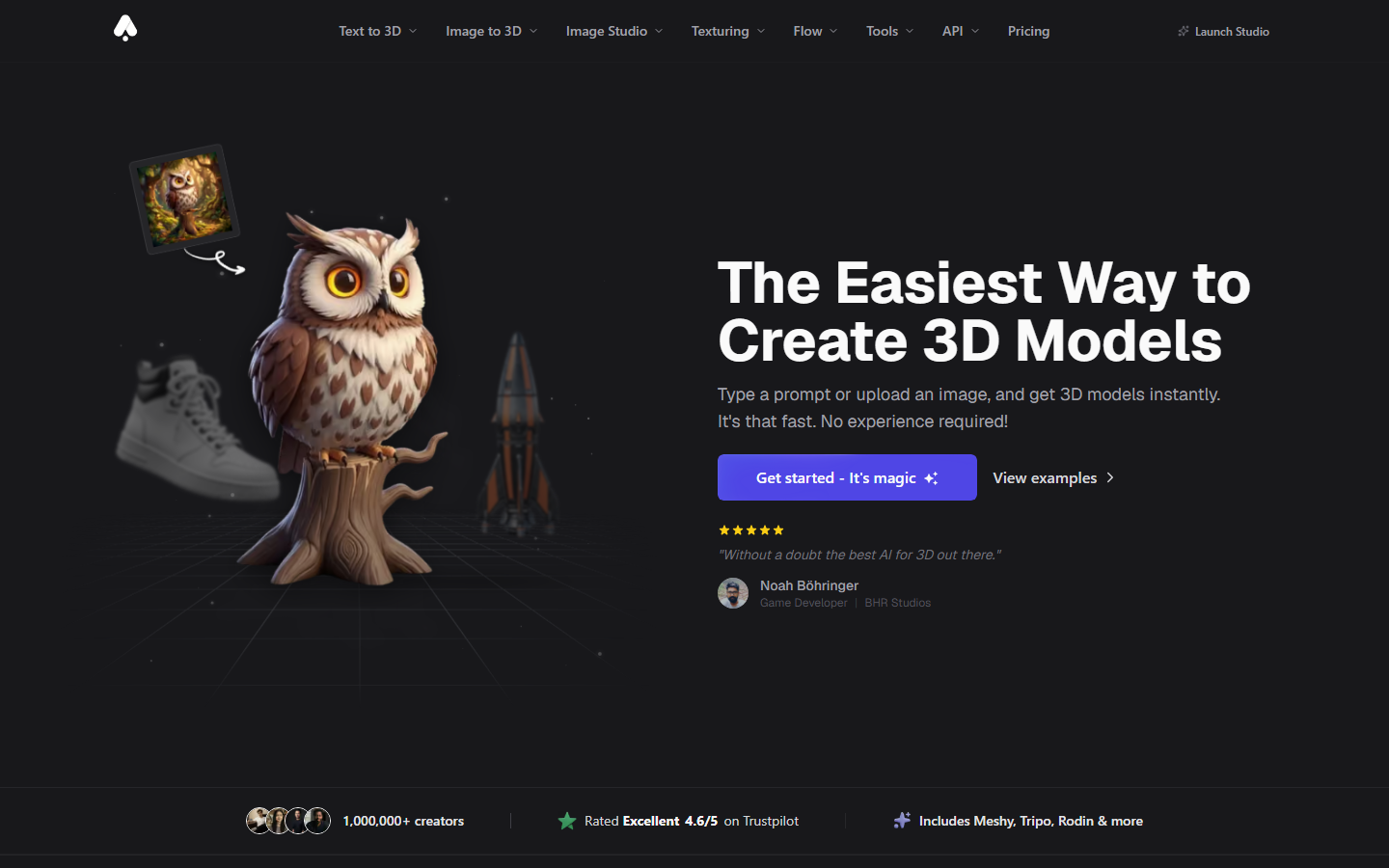
3D AI Studio is a browser app built around 3D generation, offering Hunyuan3D 3.0 and 3.1 next to Trellis 2 and the other 3D models it lists, including Meshy, Tripo and Rodin. You pick a model, add a prompt or image, and download the result; texturing tools, an image studio and an API sit alongside.
Its Hunyuan3D page lists export formats beyond GLB and OBJ, useful for 3D printing and AR if the conversion holds up on your files. Pricing runs on credits, so compare a Hunyuan run against other models on the plan. For platforms that combine several generators, see these AI canvas platforms with APIs.
Best for: creators who want several 3D models in one simple web app.
6. Dzine
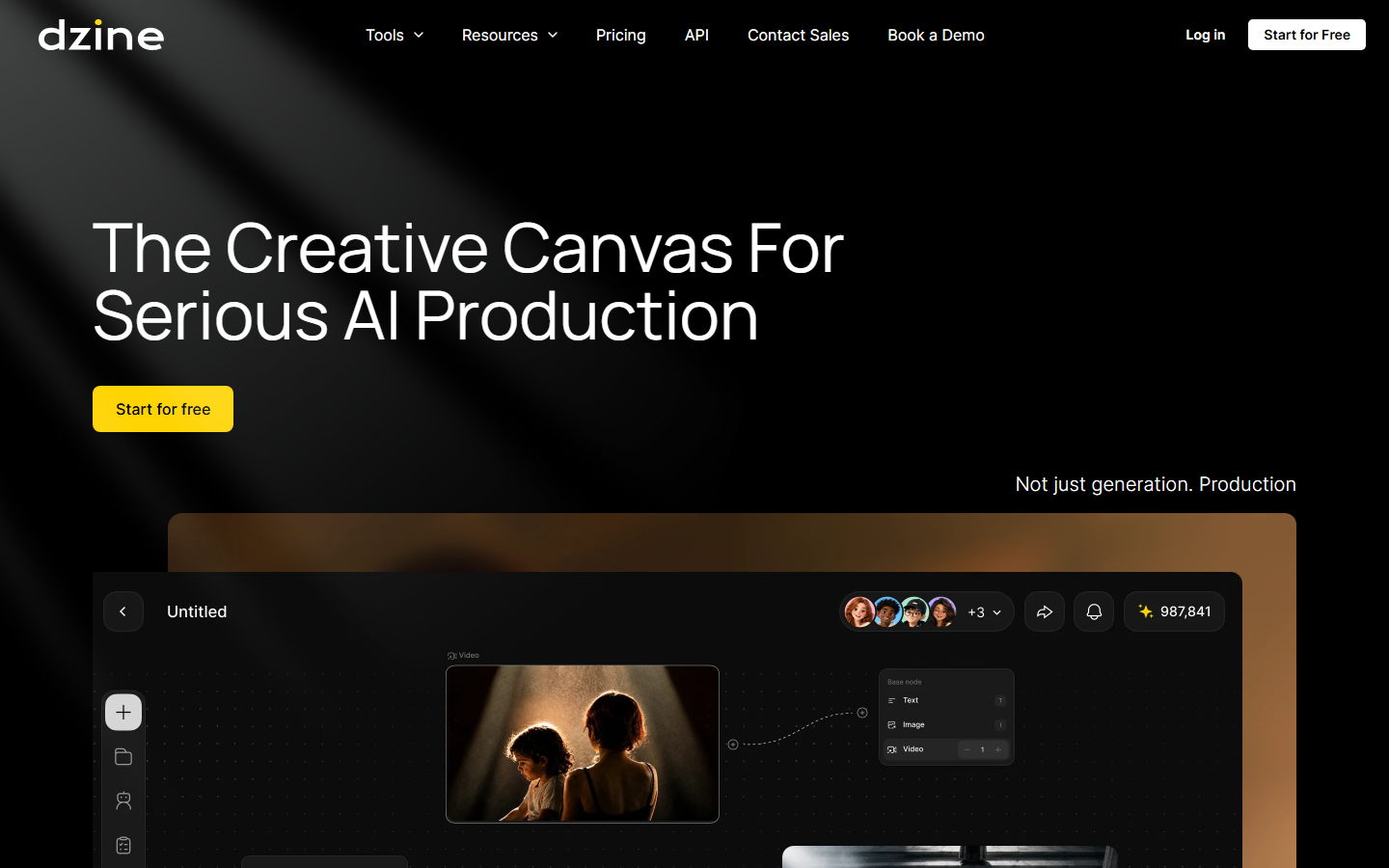
Dzine is an AI image editing and design suite that includes a Hunyuan3D 3.0 tool for image-to-3D and text-to-3D generation. Its tool page lists OBJ, FBX and GLB exports for Blender, Unity and Unreal, and a 7-day free trial covers the full feature set.
Dzine fits when 3D is one step in a design job, such as turning a character illustration into a model for a mockup, rather than API-driven batch work. For character-heavy projects, this guide to creating AI characters for games and stories covers keeping designs consistent before conversion.
Best for: designers who already work in an AI image editor.
Comparison Table
| Tool | Hunyuan version | Input | Access | Pricing | Best for |
|---|---|---|---|---|---|
| Wireflow | v3 node | Text, image, chained concept art | Canvas, REST API, MCP | Credits, plans from $24/month | Concept-to-mesh pipelines |
| Tencent Hunyuan 3D | 3.0 and 3.1 | Text, image, sketch | Web studio, Tencent Cloud API | 20 free generations a day at launch | Newest version and rigging |
| fal.ai | v3 (3.0) | Text or image | API | $0.225 to $0.45 per generation, plus options | Per-call developers |
| Replicate | 3.1 | Text or image | API | Per run | Existing Replicate users |
| 3D AI Studio | 3.0 and 3.1 | Text or image | Web app, API | Credits | Multi-model 3D app |
| Dzine | 3.0 | Text or image | Web app | Paid plans, 7-day trial | Designers |
How to Choose
Start with where the mesh goes next. If it ends in a game engine or print slicer after manual cleanup, Tencent's studio or a web app is enough. If it feeds a product, catalogue or agent, you need an API: either the bare model on fal or Replicate, or a whole flow that includes the concept step. Teams building game asset pipelines usually need the second option.
Then test on your own subjects: run three to five reference images through two tools, open the GLB files in your engine, and check topology, texture seams and scale. Hard-surface products and organic characters behave differently. Running candidates in parallel, the way node-based image generation tools handle model comparisons, saves a day of switching between tabs.
Try it yourself: open this concept-to-3D workflow in Wireflow to watch a prompt become concept art and then a textured mesh, with real outputs at every node. The saved example uses Trellis 2 as its 3D node; place the Hunyuan3D v3 node in the same slot to run the chain on v3.
FAQ
What is Hunyuan3D v3? Hunyuan3D v3, also called Hunyuan 3D 3.0, is Tencent's AI 3D generation model. It turns a text prompt, a reference image or a sketch into a textured 3D mesh, and Tencent confirms OBJ and GLB export.
Is Hunyuan3D v3 free to use? Partly. Tencent's global platform offered 20 free generations a day at launch, and Dzine has a 7-day trial. API access is paid per generation, from $0.225 for a geometry-only run on fal.
Can I run Hunyuan3D v3 locally? Tencent's official open releases cover the 2.x line, including Hunyuan3D 2.1. We found no official open-weight v3 release as of October 2026, so v3 runs through hosted tools and APIs.
What is the difference between Hunyuan3D 3.0 and 3.1? Version 3.1 is Tencent's early-2026 update, with better texture and geometry detail and support for up to eight input views, according to Tencent. Check which version a tool runs before comparing results.
Which file formats does Hunyuan3D v3 export? GLB and OBJ are confirmed by Tencent and fal. Some apps offer FBX or other formats through their own conversion, so test those files in your engine first.
Can I call Hunyuan3D v3 from an AI agent? Yes. fal, Replicate and Tencent Cloud expose APIs, and agents can call a published flow through a hosted MCP server.
Are Hunyuan3D v3 meshes ready for production? Often not straight away. Expect to clean up topology, UVs and scale, and plan rigging separately unless you use Tencent's studio. Character work benefits from solid character design for games and animation before conversion.
Conclusion
The best Hunyuan3D v3 tool depends on what you need around the model. Tencent's studio gives the newest version, free daily runs and rigging; fal and Replicate give clean per-call APIs; 3D AI Studio and Dzine wrap it in friendly web apps. Wireflow is the pick when the mesh is one step in a larger job, because concept art, 3D conversion and side-by-side checks against other models from the hosted model catalog run in one flow you can call from code or an agent.

Co-Founder & Operations at Wireflow
Runs client operations and content strategy at Wireflow. Works directly with creative teams and agencies to build production AI workflows.
- Content Strategy
- Client Operations
Get unlimited ad creatives today.
One call to see if we are a fit and scope the first ad. If it fits, your first batch lands inside week one.