Best Weavy vs Freepik Spaces vs Flora for Developers Tools in 2026

In this article▾
Choosing between Weavy, Freepik Spaces, and Flora depends on how much programmatic control your team needs over AI-powered creative workflows. Wireflow combines a visual node-based canvas with full REST API access, making it the strongest option for developers who need both a GUI for prototyping and headless execution for production. In this comparison, we break down how Weavy, Freepik Spaces, and Flora stack up for developer use cases in 2026.
Quick Summary
- Wireflow - Best overall for developers (visual canvas + full API + 50+ models)
- Weavy - Best for enterprise automation (embeddable SDKs, workflow templates)
- Freepik Spaces - Best for asset-heavy teams (massive stock library + AI generation)
- Flora - Best for creative collaboration (real-time multiplayer canvas, broad model support)
Wireflow: Full API Access with Visual Canvas
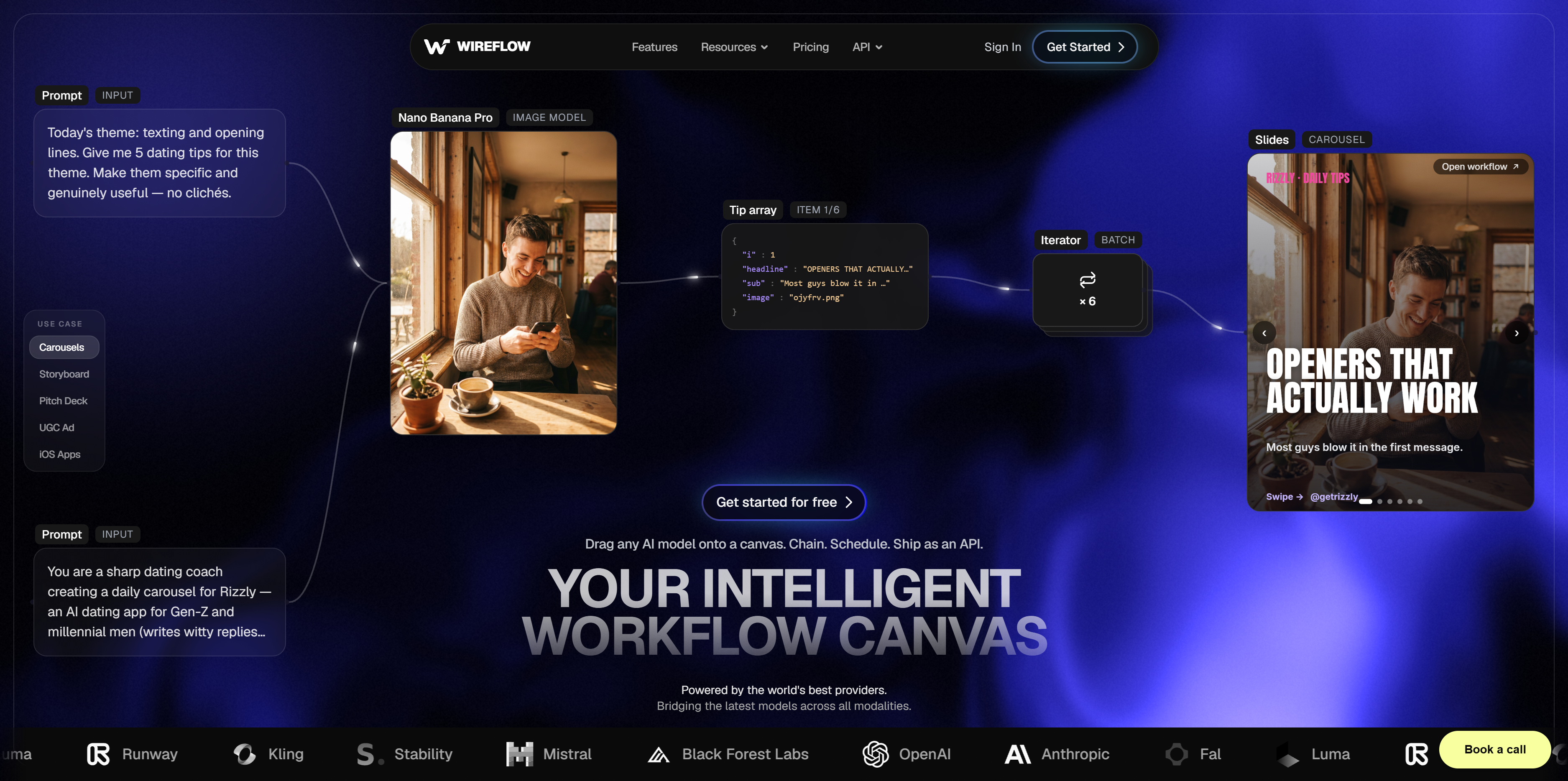
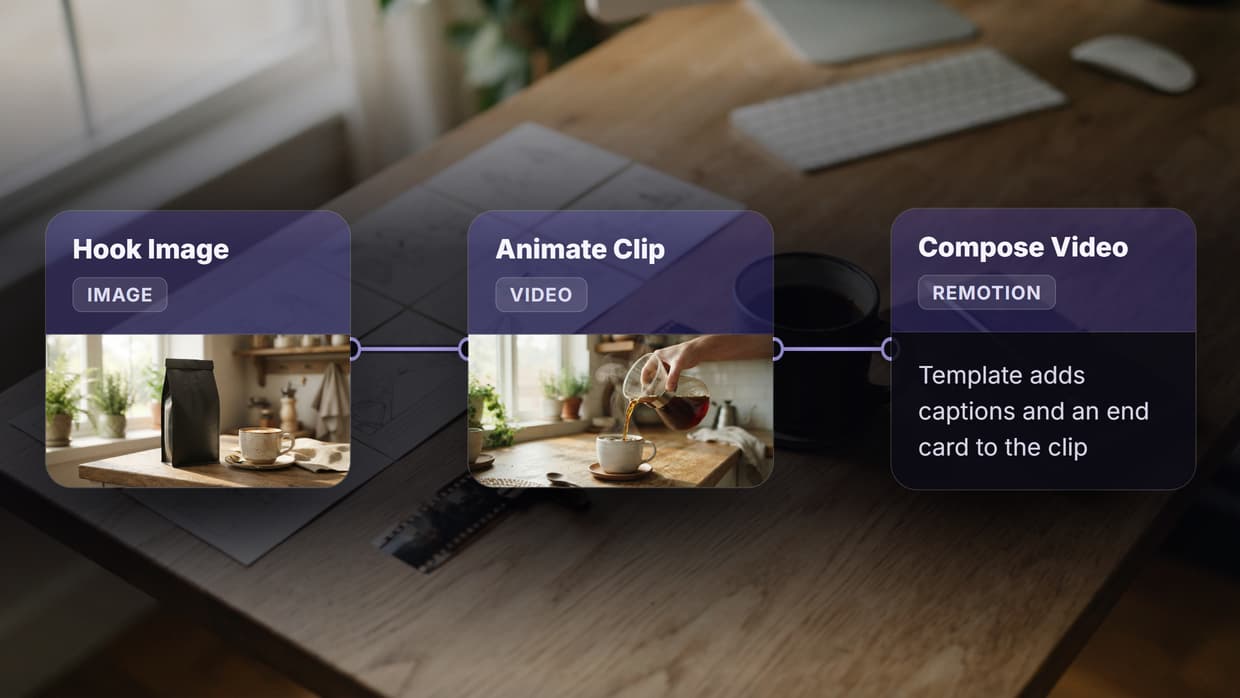
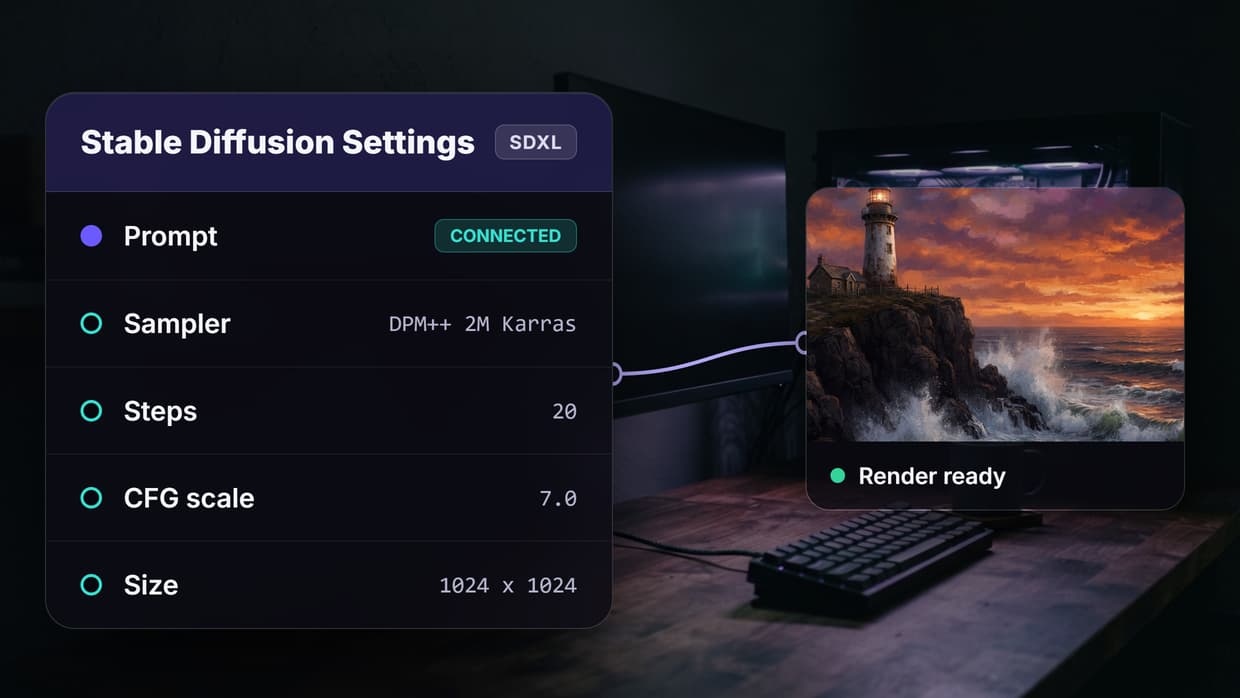
Wireflow gives developers a visual node editor that doubles as an API endpoint. Every workflow you build in the canvas can be triggered via REST call, webhook, or SDK integration. The platform supports 50+ AI models including Recraft V4, Kling Video 3, and Veo 3.1, all accessible through a unified interface.
For a hands-on look at this in action, check out the 'best weavy vs freepik spaces vs flora for developers tools in 2026' feature page.
Key developer features include batch processing for high-volume jobs, model chaining across providers, and programmatic workflow creation. The API supports both synchronous and asynchronous execution patterns, with webhook callbacks for long-running generation jobs. Pricing starts at $29/month for the Pro tier with API access included. The platform also offers reusable templates that let teams standardize common generation patterns across projects.
Build this in Wireflow
Make the same kind of asset on a canvas you control, with a free account and no credit card.
Weavy: Embeddable SDK for Enterprise Apps
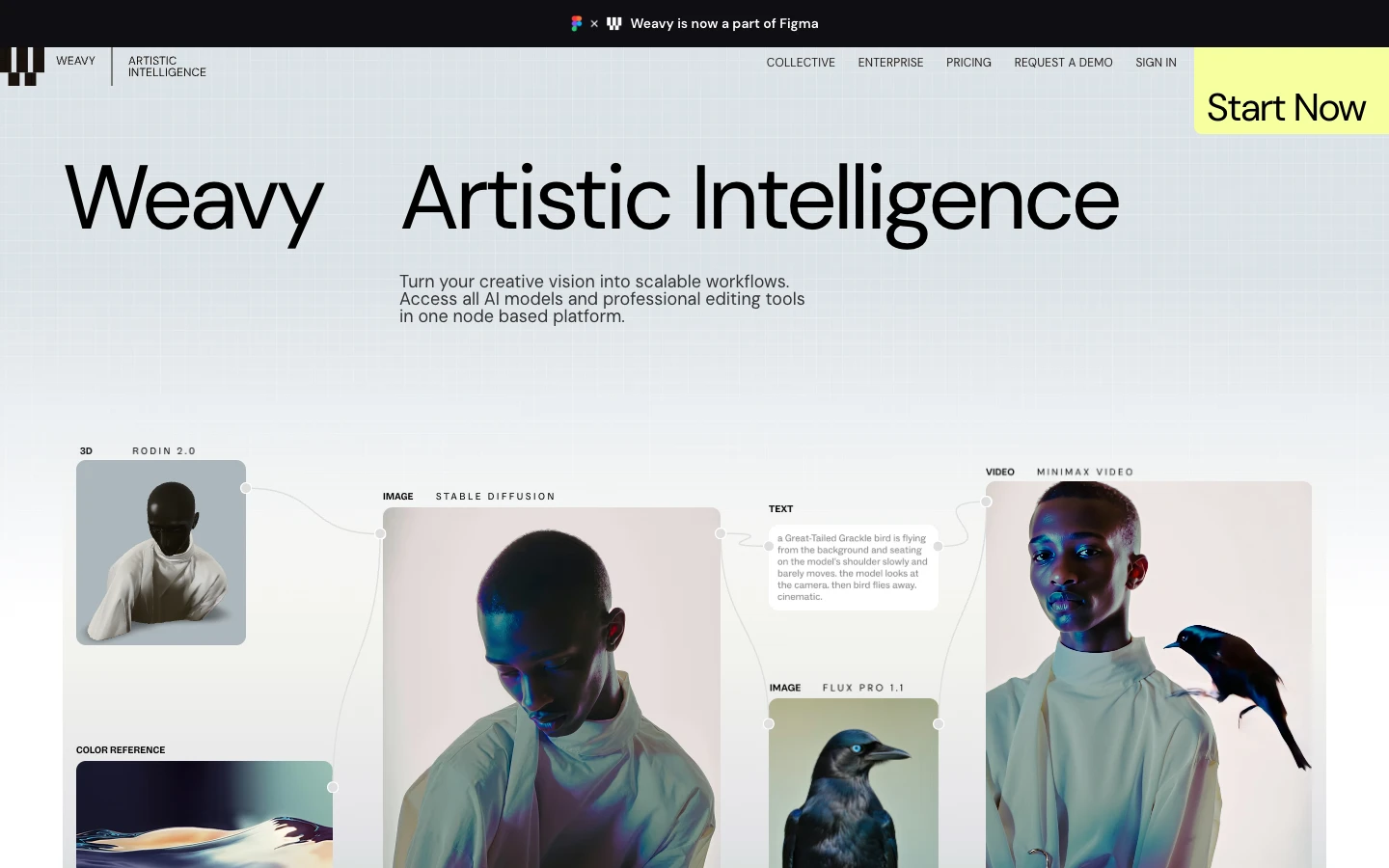
Weavy focuses on embedding AI workflow components directly into your existing application. Their JavaScript and React SDKs let you drop collaboration and generation features into any product without rebuilding from scratch. This makes Weavy particularly strong for SaaS companies adding creative tools to their platforms.
The developer experience centers around pre-built UI components: file pickers, real-time collaboration panels, and workflow templates that handle common generation patterns. The API covers authentication, file management, and execution but limits model selection to their curated set.
Pricing is usage-based starting at $0.01 per API call, which scales predictably but can become expensive at high volumes. Enterprise plans include dedicated infrastructure and custom model hosting. The main limitation for developers is the lack of a visual workflow builder; all multi-step orchestration must be handled in code through their SDK methods.
Freepik Spaces: Stock Library Meets AI Generation
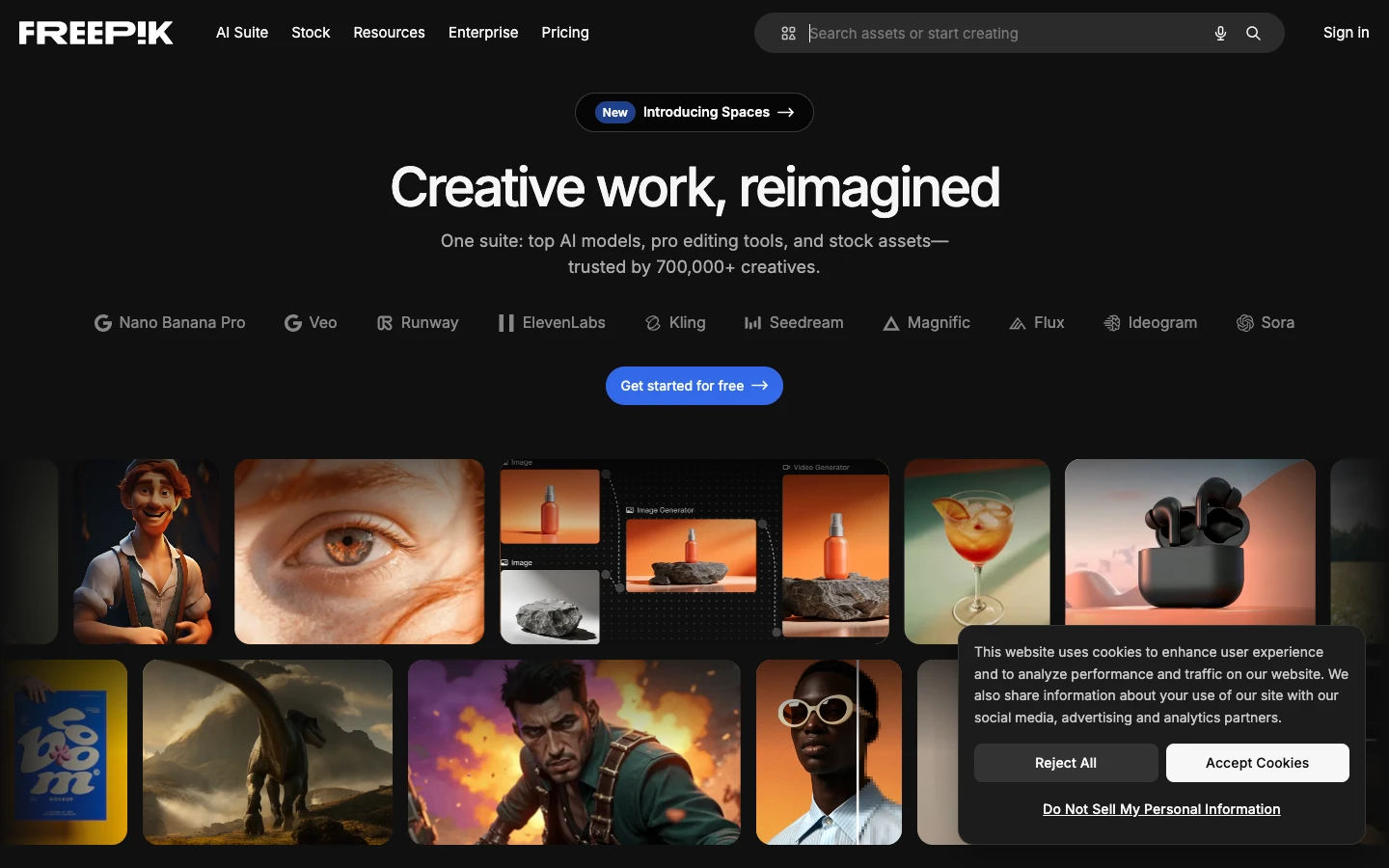
Freepik Spaces layers AI generation on top of one of the largest stock asset libraries available. For developers, this means access to millions of base assets via API combined with AI transformation capabilities. The platform excels when your pipeline needs both generated and stock content.
The API is RESTful with straightforward authentication, and it supports batch requests for bulk operations. Model selection is limited compared to dedicated workflow platforms, focusing mainly on image generation and editing. There is no native node-based workflow builder; developers must orchestrate multi-step pipelines in their own code.
Pricing bundles stock downloads with AI generation credits, starting at $12/month. The free tier includes 10 daily AI generations, making it easy to prototype before committing.
Flora: Multiplayer Canvas with Model Variety
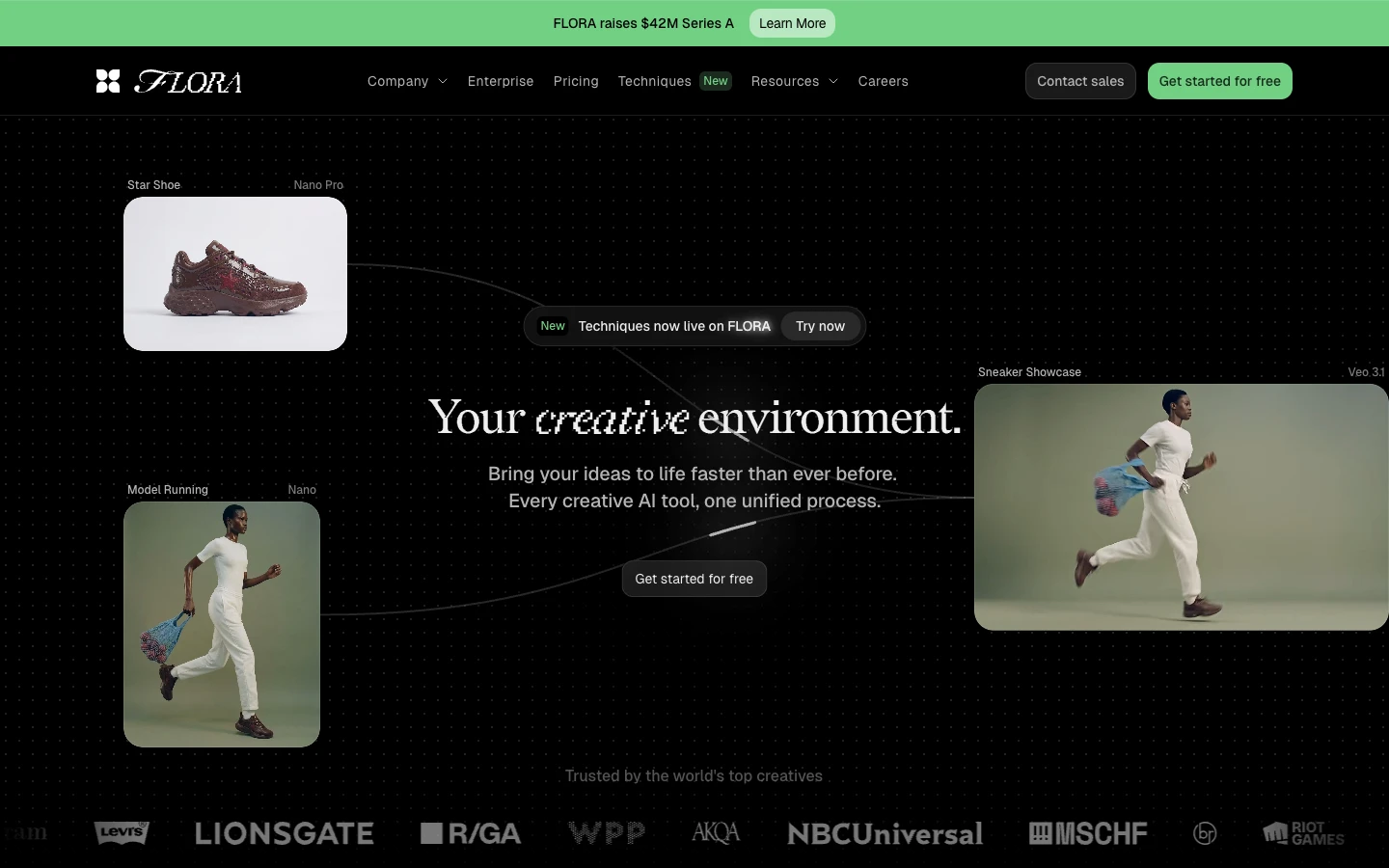
Flora positions itself between a design tool and a developer platform. The browser-based canvas supports real-time multiplayer editing, making it the strongest option for teams that design workflows collaboratively before handing off to engineering.
Flora integrates 50+ models from various providers, giving developers broad choice without managing multiple API keys. The workflow API supports triggering saved workflows programmatically, though the API surface is narrower than Wireflow's. Webhook integrations handle async execution results.
Pricing starts at $19/month per seat with unlimited generations on supported models. The per-seat model works well for small teams but costs add up quickly for larger engineering organizations. Flora also provides a public workflow gallery where community-shared templates can be forked and customized, reducing setup time for common use cases like product photography or social media content generation.
Comparison Table
| Feature | Wireflow | Weavy | Freepik Spaces | Flora |
|---|---|---|---|---|
| REST API | Full CRUD + execution | Embeddable SDK | Asset + generation | Trigger-only |
| Models available | 50+ (all providers) | Curated set (~15) | Image-focused (~8) | 50+ |
| Node-based canvas | Yes | No (component-based) | No | Yes |
| Batch processing | Native | Via SDK | Via API | Limited |
| Real-time collab | Yes | Yes (embeddable) | No | Yes |
| Webhook support | Yes | Yes | Limited | Yes |
| Self-hosted option | Enterprise | Yes | No | No |
| Starting price | $29/mo | $0.01/call | $12/mo | $19/seat/mo |
Authentication and Security
All four platforms support API key authentication, but they differ in advanced security features. Wireflow offers OAuth2 scopes and role-based access for team environments, letting administrators restrict which models and endpoints each developer can access. Weavy provides similar granularity through its SDK, with per-component permission controls suitable for multi-tenant SaaS applications.
Freepik Spaces uses straightforward API key auth without scoped permissions, making it simpler to set up but less suitable for teams that need fine-grained access control. Flora offers team-level roles (admin, editor, viewer) but does not yet support per-workflow permission scoping.
Which Platform Should You Pick?
The right choice depends on your integration depth. If you are building AI pipelines that need to run headlessly in production with full control over model selection and execution order, Wireflow and Flora offer the most flexibility. If you need to embed creative features into an existing product, Weavy's SDK approach reduces implementation time significantly.
For teams whose primary need is asset generation from a stock library base, Freepik Spaces provides the best value. Developers comparing all three on API depth can use our Weavy vs Freepik Spaces vs Flora comparison for developers. Its combination of pre-made assets and AI tools covers most marketing and e-commerce use cases without the complexity of a full workflow platform.
Consider how your needs will scale: per-call pricing (Weavy) rewards light usage but punishes growth, per-seat pricing (Flora) rewards high-volume individuals, and flat-tier pricing (Wireflow, Freepik) gives predictable budgeting. Run a two-week trial on your actual workload before committing.
Try it yourself: Build this workflow in Wireflow. The nodes are pre-configured with the exact setup discussed above.
FAQ
Is Weavy better than Freepik Spaces for API integration?
Weavy offers deeper embedding through SDKs, while Freepik Spaces provides a simpler REST API. If ComfyUI is also on your list, see our Freepik Spaces vs ComfyUI comparison for developers. Weavy suits SaaS companies adding creative tools to their product; Freepik Spaces suits teams that need bulk asset access alongside generation.
Can Flora replace a full CI/CD pipeline for creative assets?
Flora handles workflow execution and model orchestration but lacks native CI/CD features like versioning, rollback, and environment management. You would still need external tools for deployment automation and testing.
Which platform has the best free tier for developers?
Freepik Spaces offers 10 free daily AI generations plus stock access. Wireflow provides a free tier with limited monthly executions. Flora and Weavy both require paid plans for API access.
Do any of these platforms support custom model deployment?
Wireflow and Weavy (enterprise tier) support bringing your own models. Flora connects to external model providers via API keys. Freepik Spaces uses only its own hosted model infrastructure.
How do these platforms handle rate limiting?
Wireflow and Freepik Spaces use tier-based limits (higher plans get more concurrent jobs). Weavy uses a token bucket per API key. Flora applies per-seat concurrency limits that scale with team size.
Can I switch between platforms without rewriting my entire pipeline?
Moving between Flora and Wireflow is relatively straightforward since both use similar node-based abstractions. Migrating from Weavy requires replacing SDK calls with direct API calls. Freepik Spaces migrations require rebuilding orchestration logic since it has no native workflow layer.
Which platform is best for video generation workflows?
Wireflow supports video models (Kling, Veo, Seedance) natively in its workflow canvas. Weavy has limited video support. Freepik Spaces focuses on images. Flora supports video through external model integrations.
Do these tools work with existing design systems and brand guidelines?
All four platforms support brand asset uploads and template systems. Wireflow and Weavy offer programmable brand rules that enforce guidelines at generation time. Flora and Freepik Spaces rely on manual brand kit uploads.

Co-Founder & Operations at Wireflow
Runs client operations and content strategy at Wireflow. Works directly with creative teams and agencies to build production AI workflows.
- Content Strategy
- Client Operations
Get unlimited ad creatives today.
One call to see if we are a fit and scope the first ad. If it fits, your first batch lands inside week one.