 Andrew Adams · Co-Founder & Operations at Wireflow ·
 Krea AI API Alternative: Image and Video From One REST Endpoint
A developer-first alternative to the Krea AI API.
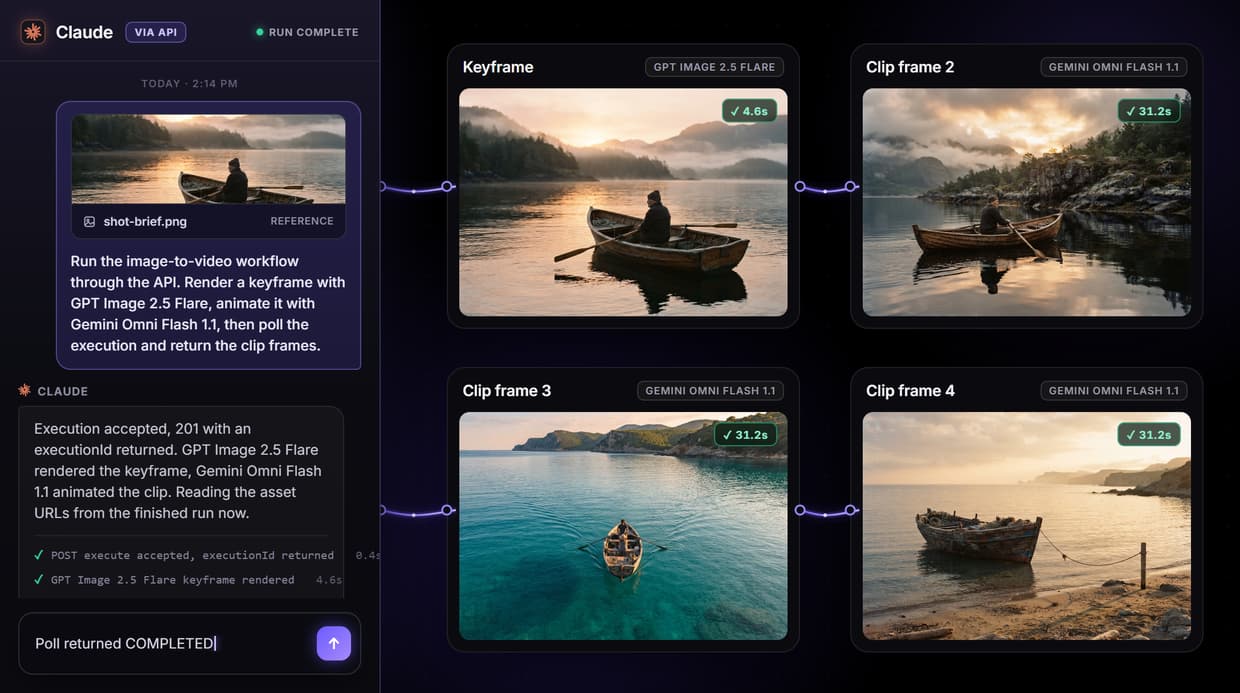
Wireflow runs multi-model image and video generation as callable workflows: one REST endpoint, async execution with polling, and no-key webhook triggers. This page's flow renders a GPT Image 2.5 Flare frame, then Gemini Omni Flash 1.1 animates it into an 8-second 1080p clip.
Free to build · no credit card
How the workflow runs end to end
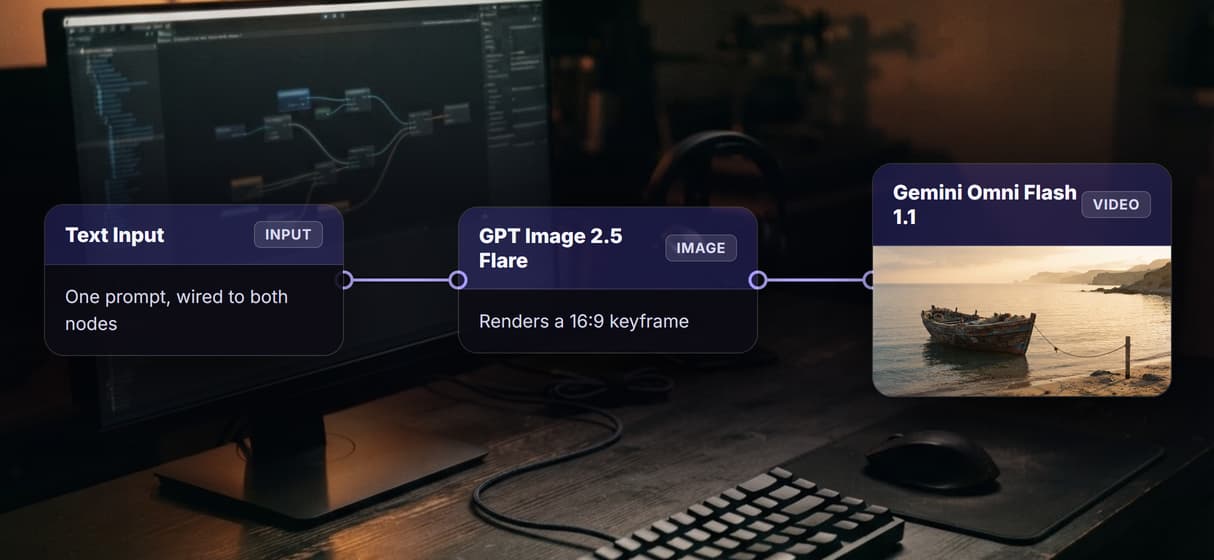
The page's workflow is three nodes, wired left to right. A Text Input node holds one prompt. It feeds a GPT Image 2.5 Flare image node set to a 16:9 frame, which renders a still keyframe. That keyframe, plus the same prompt, feeds a Gemini Omni Flash 1.1 video node configured for an 8-second 1080p clip with audio on.
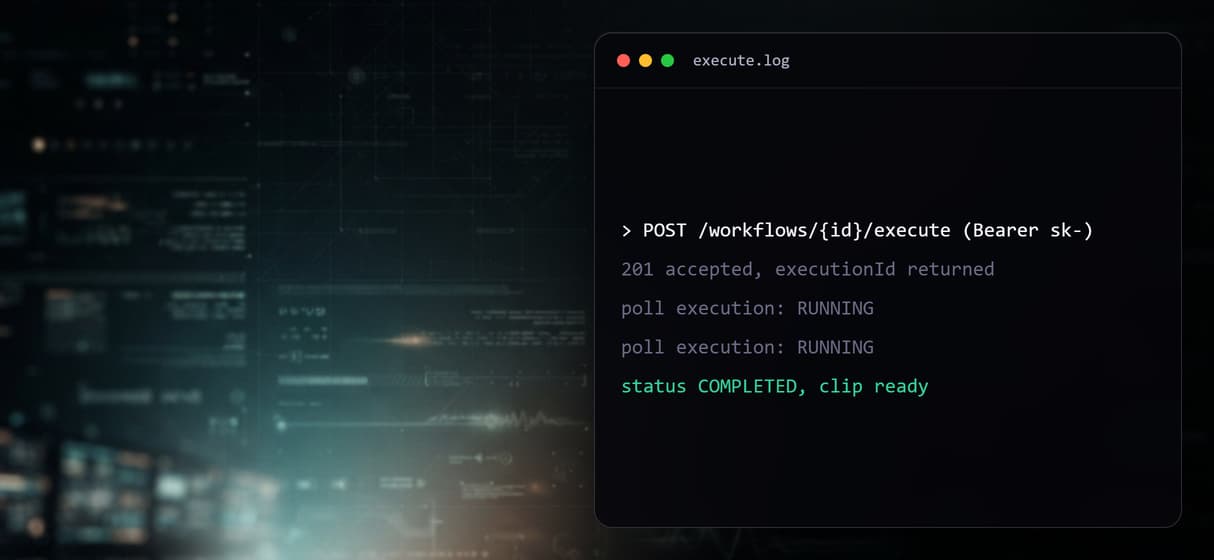
You run it over REST, not a studio UI. POST the nodes and inputs to the execute endpoint and Wireflow returns a 201 with an executionId, then you poll the execution until it reports done, or take the result at a no-key webhook. Because the same saved flow is also an MCP tool, an agent can list it and call it with typed inputs. Prep frames with the AI image generator before they enter the flow.
Where the Krea AI API still fits
Krea AI is a polished consumer creative studio, and if you want to click through generations in a hosted app with a large model gallery in front of you, that is what it is built for. Its API exists, but it sits behind the studio experience rather than leading with a workflow-as-endpoint model.
Wireflow is the opposite trade. It is a developer and orchestration layer: you design a pipeline once on the canvas, publish it as a callable endpoint, and invoke it from code or from an agent. If your goal is a reproducible image and video pipeline you can rerun on demand, the workflow-first shape fits better. Call the same flow as an MCP tool from an agent.
Honest limits before you build
Wireflow is a generation and orchestration canvas, not a frame-accurate timeline editor and not a reasoning brain. It does not write your prompt or decide creative strategy, and for precise trims or manual keyframe animation a traditional editor still wins that step.
This flow's Gemini Omni Flash 1.1 node returns a single clip of about 8 seconds per run at 1080p. Longer or multi-scene videos are assembled by chaining more generation nodes, not produced in one shot, and every generation costs credits. Building the workflow on the canvas is free, and flat plans start at $24 per month for steadier volume. See how teams orchestrate this in production apps.
More Than Just Krea AI API Alternative: Image and Video From One REST Endpoint
Image and video from one call
One prompt renders a GPT Image 2.5 Flare keyframe, then a Gemini Omni Flash 1.1 node animates it into an 8-second 1080p clip. The whole image to video AI chain runs from one REST call.
Async execution with polling
POST to the execute endpoint and get a 201 with an executionId back, then poll until the job finishes. Build resilient clients against the AI workflow API.
Webhook triggers, no key
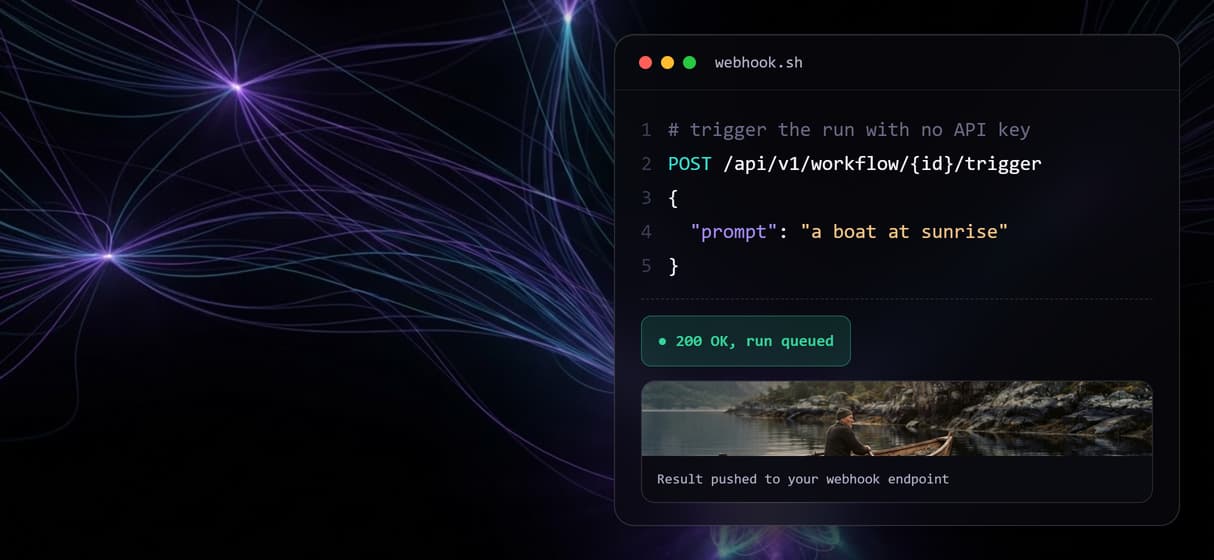
Fire a run with a keyless POST to the webhook endpoint, straight from a form, Zapier, or CI. Wire it into a batch image generation API job.
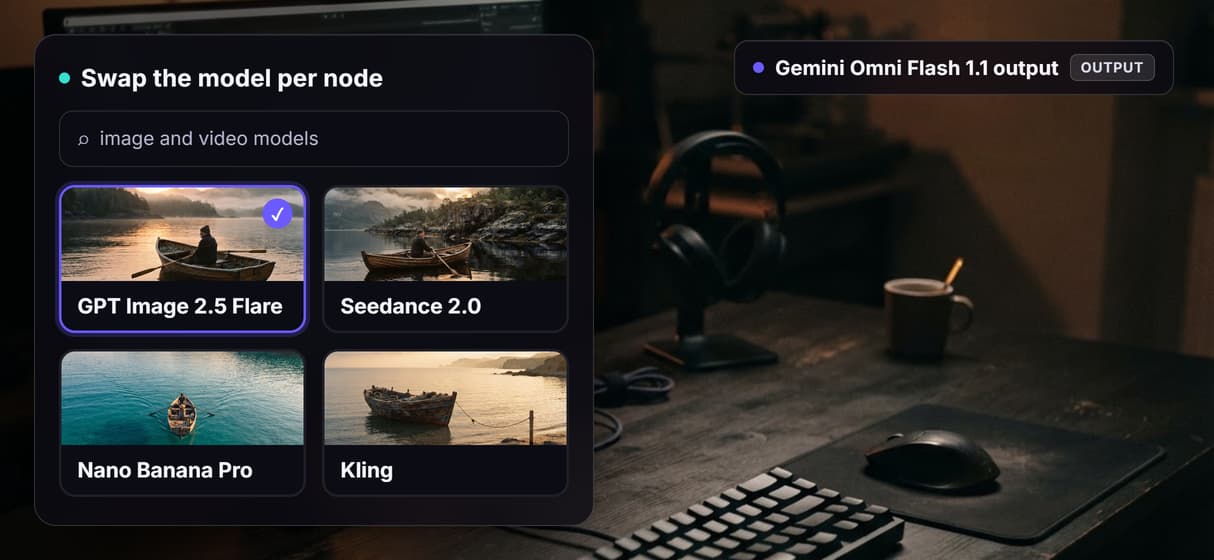
Swap any model per node
Trade GPT Image 2.5 Flare or Gemini Omni Flash 1.1 for another model on the canvas, from dozens of hosted image and video models. Browse the full AI video generator lineup.
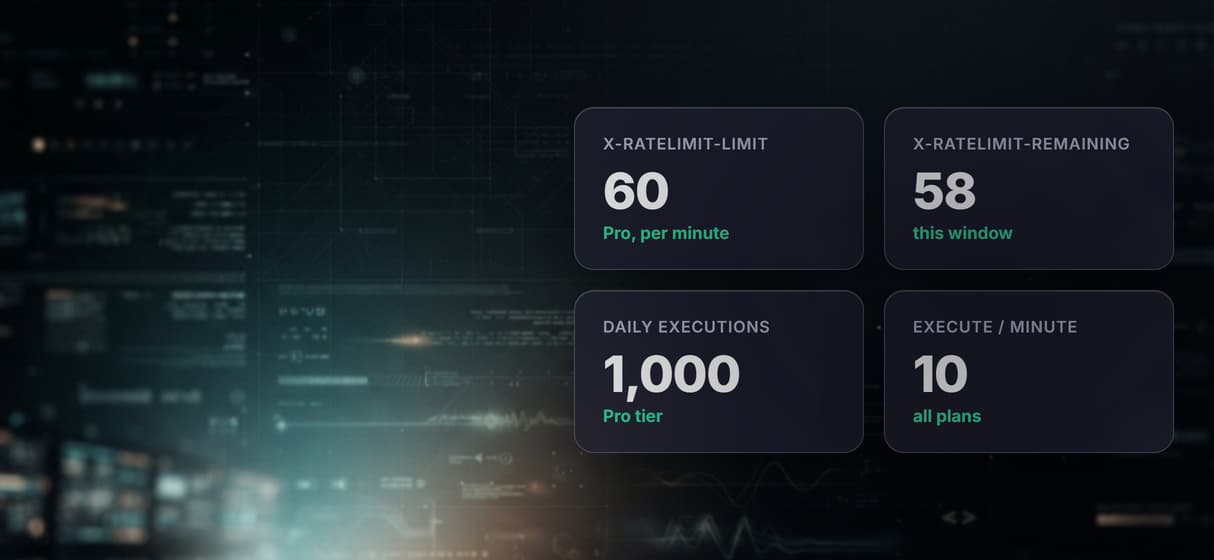
Rate limits you can see
Every response carries X-RateLimit headers, and daily execution caps are published per plan. See how the same wiring scales for a ComfyUI alternative build.
Build Any AI Workflow
AI Models Integrated
Full Commercial License
FAQs
Wireflow is a developer-first alternative. You build a multi-model image and video workflow on a node canvas, then run it through one REST endpoint with async execution, no-key webhook triggers, and published rate limits.
More From Wireflow
Written by
Andrew Adams · Co-Founder & Operations at Wireflow
Runs client operations and content strategy at Wireflow. Works directly with creative teams and agencies to build production AI workflows.
Build the image-to-video flow
Write one prompt, render a keyframe with GPT Image 2.5 Flare, and animate it into a clip with Gemini Omni Flash 1.1 on a single canvas. Save the flow as a REST endpoint and MCP tool, then rerun it from code or an agent. Building is free, you pay per generation.